

Book Appointment
California 2026 Guide
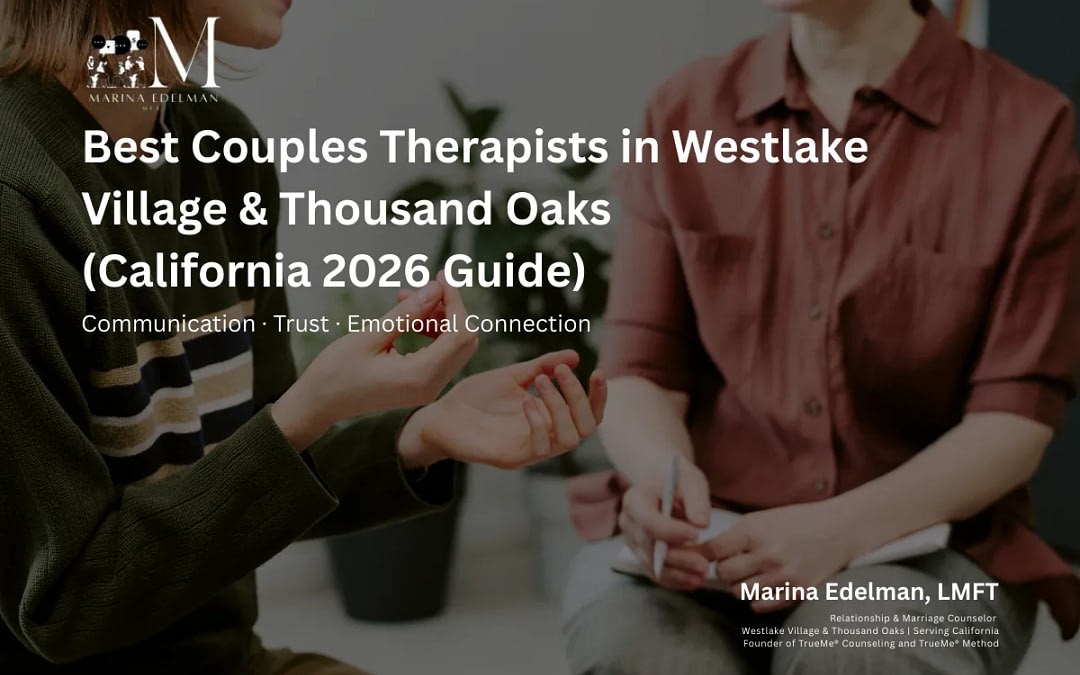
Best Couples Therapists in Westlake Village & Thousand Oaks
Healthy relationships require communication, trust, and emotional connection. Even strong couples can experience periods of conflict, stress, or disconnection due to life transitions, parenting pressures, financial concerns, or unresolved emotional patterns.
Working with a qualified couples therapist can help partners develop healthier communication skills, rebuild emotional intimacy, and better understand the underlying dynamics that influence their relationship.
The Westlake Village and Thousand Oaks area has several experienced therapists who specialize in couples counseling and relationship therapy. The professionals listed below represent a range of therapeutic approaches and specialties.

1. Marina Edelman, LMFT
Relationship & Marriage Counselor
Psychology Today: www.psychologytoday.com/profile/70050
Instagram: www.instagram.com/marina.on.marriage
Marina Edelman, founder of TrueMe® Counseling, is a licensed Marriage and Family Therapist with more than 20 years of experience working with couples, individuals, and families. Her practice focuses on helping clients build happiness, harmony, resilience, and stronger emotional connection within relationships.
She offers both in-person sessions in the Westlake Village / Thousand Oaks area as well as online therapy, allowing clients throughout California to access support.
Marina works with couples experiencing a wide range of relationship concerns, including:
-
- Interpersonal relationships
- Financial infidelity or financial stress
- Communication difficulties
- Emotional disconnection
- Intimacy concerns
- Life transitions affecting relationships
- Premarital counseling
Her clinical approach integrates several well-established evidence-based therapies.
Emotionally Focused Therapy (EFT)
Emotionally Focused Therapy is one of the most widely studied approaches to couples therapy. The American Psychological Association has recognized EFT as a gold-standard evidence-based treatment for relationship distress.
Research has shown that 70–75% of couples move from distress to recovery, and approximately 90% experience meaningful improvements in relationship satisfaction.
EFT focuses on identifying emotional patterns that contribute to conflict and helping partners develop stronger emotional bonds and attachment security.
Gottman Method Couples Therapy
Marina also uses the Gottman Method, a research-based framework developed from more than 40 years of research with thousands of couples.
Key goals of the Gottman Method include:
-
- Reducing negative communication cycles
- Increasing emotional and physical intimacy
- Addressing underlying sources of conflict
- Building empathy, trust, and mutual understanding
Couples in therapy often complete a brief online relationship assessment before beginning sessions. This helps identify specific relationship strengths and areas that may need attention, allowing therapy to be more focused and effective.
Marina also offers workshops based on the Gottman 7 Principles for Making Marriage Work, which provide couples with practical skills to strengthen communication and emotional connection.
Individual and Family Therapy
In addition to couples therapy, Marina works with individuals experiencing:
-
- Anxiety
- Depression
- Career or life transitions
- Co-parenting challenges and divorce adjustment
For these concerns, she frequently incorporates Cognitive Behavioral Therapy (CBT), which helps clients recognize unhelpful thought patterns and develop healthier coping strategies.
Her approach to therapy is collaborative and supportive, creating a space where clients can communicate openly, increase self-awareness, and work toward meaningful personal and relational growth.
2. Nicole Barkhordari, LMFT
Couples & Sex Therapy
Nicole Barkhordari is a licensed marriage and family therapist who specializes in relationship counseling and intimacy issues. Her practice focuses on helping couples navigate challenges related to communication, sexual compatibility, and life transitions.
Areas of focus often include:
-
- Premarital counseling
- Couples communication difficulties
- Sexual health and intimacy
- Relationship transitions and growth
Her work integrates elements of attachment theory and modern relationship psychology to help couples develop stronger emotional and physical connection.
3. Amanda Prince, LMFT
Relationship and Stress Counseling
Amanda Prince provides therapy for couples and individuals dealing with relationship stress, anxiety, and emotional disconnection.
Her clinical work often focuses on:
-
- Couples conflict resolution
- Emotional regulation skills
- Stress management within relationships
- Improving communication patterns
She works with couples at different stages of relationships, from premarital counseling to long-term partnership challenges.
4. Ashley Prechtl, LMFT
Couples & Family Therapy
Ashley Prechtl is a licensed therapist who works with couples, families, and individuals seeking to improve relational dynamics and emotional well-being.
Her therapy approach often incorporates:
-
- Attachment-based therapy
- Emotional regulation techniques
- Communication skill development
- Relationship pattern awareness
Her goal is to help couples better understand their relational patterns while building healthier and more supportive partnerships.
5. Julie Norvilas, LMFT
Relationship & Family Counseling
Julie Norvilas works with couples who want to improve emotional communication and create healthier relationship dynamics.
Her work focuses on helping couples:
-
- Identify recurring relationship patterns
- Develop more effective communication strategies
- Improve emotional awareness within partnerships
She often uses collaborative therapy approaches that help partners understand how personal history and emotional experiences influence current relationship patterns.
How to Choose the Right Therapist:
5 Questions to Ask
Choosing a therapist is a personal decision, and the right fit can make a meaningful difference in the outcome of therapy. Many people begin their search feeling unsure about what to look for, especially when comparing different therapists or treatment approaches.
Below are five commonly recommended questions to consider when looking for a therapist.
1. What Are the Therapist’s Credentials and Training?
Specialized certifications can also provide insight into a therapist’s expertise. For example, therapists who work with couples may have training in approaches such as Emotionally Focused Therapy (EFT) or the Gottman Method, which are widely used in relationship counseling.
2. What Therapy Approach Do They Use?
Examples include:
- – Cognitive Behavioral Therapy (CBT) – helps identify and change unhelpful thought patterns and behaviorsGottman Method — Couples Therapy – research-based techniques for improving communication and resolving conflict
- – Emotionally Focused Therapy (EFT) – focuses on emotional connection and attachment patterns in relationships
Understanding a therapist’s approach can help clients decide whether the style aligns with their goals.
3. Do They Have Experience With Your Specific Concerns?
- – Relationship and marital conflict
– Anxiety and depression
- – Divorce or co-parenting concerns
- – Family dynamics or parenting challenges
- – Trauma and early life experiences
Choosing a therapist with experience in the issues you are facing can make therapy more focused and effective.
4. What Is the Therapist’s Style?
It can be helpful to ask:
- – How do therapists help clients measure progress?
– Are sessions structured or conversational?
- – How collaborative are sessions?
A good therapeutic relationship often depends on feeling comfortable, supported, and understood.
5. Do You Feel Comfortable Talking With Them?
Many therapists offer an initial consultation or introductory session so clients can determine whether the fit feels right.
Therapy Options Today:
Online, In-Person, or Messaging Therapy
Over the past decade, therapy has expanded beyond traditional office visits. Many therapists now offer multiple ways to receive support, including in-person sessions, video therapy, and text-based therapy platforms.
Each format has advantages depending on a person’s schedule, comfort level, and therapeutic goals.
In-Person Therapy
Benefits often include:
-
- Stronger nonverbal communication and body language cues
- A dedicated space for reflection away from daily distractions
- A structured environment that helps some people focus more deeply on therapy
For individuals who prefer a more personal interaction, face-to-face therapy can feel more engaging and emotionally connected.
Some research also suggests that in-person therapy may be especially helpful for complex psychological concerns that benefit from deeper interpersonal interaction.
Online (Video) Therapy
This format has grown significantly in recent years because of its convenience and accessibility.
Benefits often include:
-
- Attending therapy from home
- Easier scheduling for busy professionals or parents
- Access to therapists who may not be located nearby
Research has found that video-based psychotherapy can produce outcomes similar to in-person therapy for many mental health conditions, including anxiety and depression.
Online therapy can also reduce barriers such as travel time, transportation costs, or childcare challenges.
Messaging or Chat-Based Therapy
These services are sometimes used by people who prefer a more flexible way to communicate about emotional challenges.
Potential benefits include:
-
- The ability to write messages at any time
- More time to reflect before responding
- A lower barrier for people who may feel uncomfortable speaking about sensitive issues initially
However, messaging therapy may not provide the same level of real-time interaction as video or in-person therapy, which is why many clinicians recommend it as a supplement rather than a replacement for traditional sessions.
Choosing the Format That Works Best for You
Some clients prefer the structure of in-person sessions, while others appreciate the convenience of online therapy. Many therapists now offer both options, allowing clients to choose the format that feels most comfortable and supportive.
The most important factor is finding a therapist with whom you feel safe, understood, and motivated to work toward positive change.
About the author
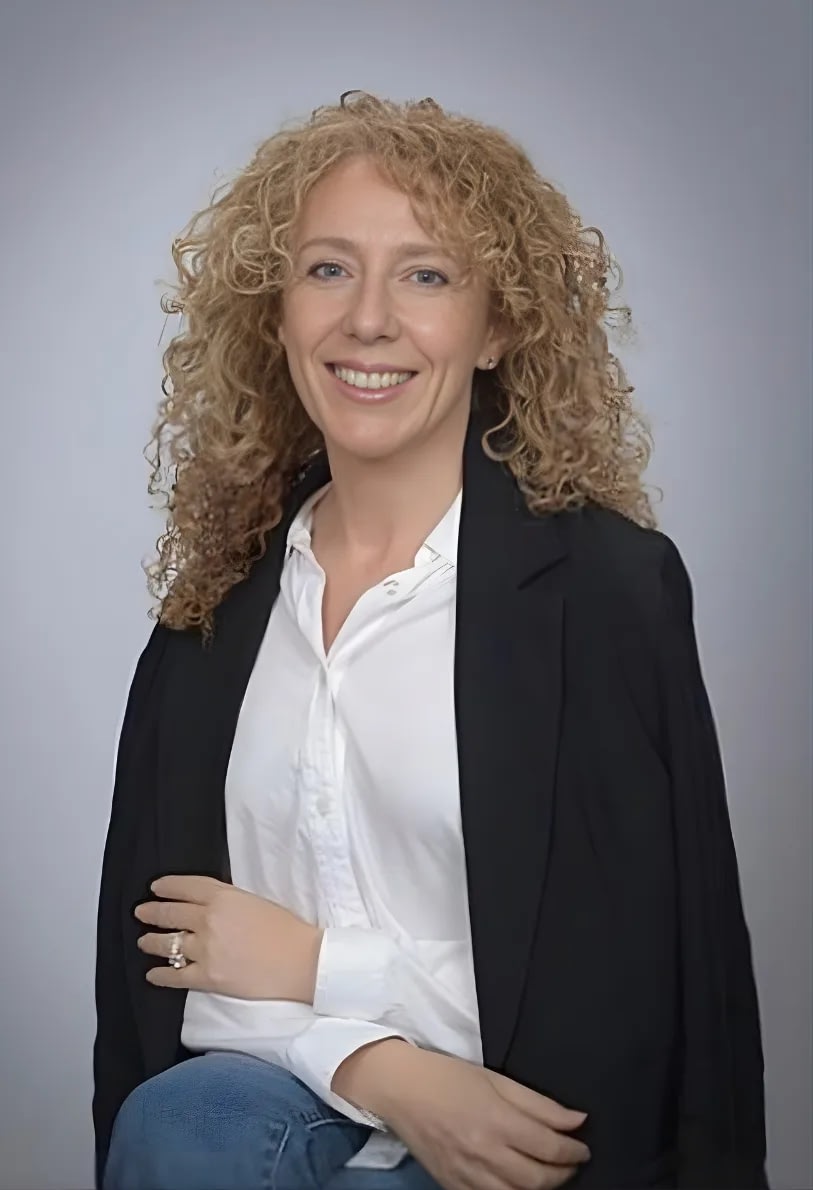
Marina Edelman, LMFT
Marina Edelman is a Licensed Marriage and Family Therapist and the founder of TrueMe® Counseling, a couples and relationship therapy practice serving clients in Westlake Village, Thousand Oaks, and throughout California.
Marina specializes in couples therapy, affair recovery, and relationship repair, drawing on a carefully integrated set of evidence-based approaches:
-
- Gottman Method — Research-based tools for reducing conflict and building friendship and intimacy
- Emotionally Focused Therapy (EFT) — Healing attachment injuries and rebuilding emotional safety
- Attachment-Based Therapy — Understanding how early relational patterns shape adult love
- Cognitive Behavioral Therapy (CBT) — Identifying and shifting the thought patterns that fuel disconnection
- AEDP — Processing deep emotional wounds with compassion and precision
Her counseling is best suited for couples and individuals seeking structured, research-backed support for relationship repair, affair recovery, anxiety, communication challenges, and premarital or marriage counseling — in person or via telehealth across California.
Blogs:

Resentment in Marriage: Why It Builds and How Couples Can Heal
Learn why resentment builds in marriage, how it turns into contempt, and 6 practical ways to heal resentment and reconnect with your spouse.

Who Helps Couples Create Boundaries With Friends, Bars, and Going Out After Infidelity?
Who helps couples set boundaries with friends, bars, coworkers, and nights out after infidelity? Learn how affair recovery therapy can help rebuild trust.

“Look What You Made Me Do”: When Your Partner Blame You for Their Choices
Does your partner blame you for their lying, yelling, or hurtful choices? Learn how blame shifting works and how to separate your part from theirs when they say, “Look what you made me do”
Blogs:

Resentment in Marriage: Why It Builds and How Couples Can Heal
Learn why resentment builds in marriage, how it turns into contempt, and 6 practical ways to heal resentment and reconnect with your spouse.

Who Helps Couples Create Boundaries With Friends, Bars, and Going Out After Infidelity?
Who helps couples set boundaries with friends, bars, coworkers, and nights out after infidelity? Learn how affair recovery therapy can help rebuild trust.

“Look What You Made Me Do”: When Your Partner Blame You for Their Choices
Does your partner blame you for their lying, yelling, or hurtful choices? Learn how blame shifting works and how to separate your part from theirs when they say, “Look what you made me do”
Frequently Asked Questions
What types of relationship issues can couples therapy help with?
What is Emotionally Focused Therapy (EFT), and why is it recommended for couples?
How do I choose the right couples therapist for me?
Is online couples therapy as effective as in-person sessions?
What should couples expect before starting therapy?
Ready to Transform Your Relationship?
