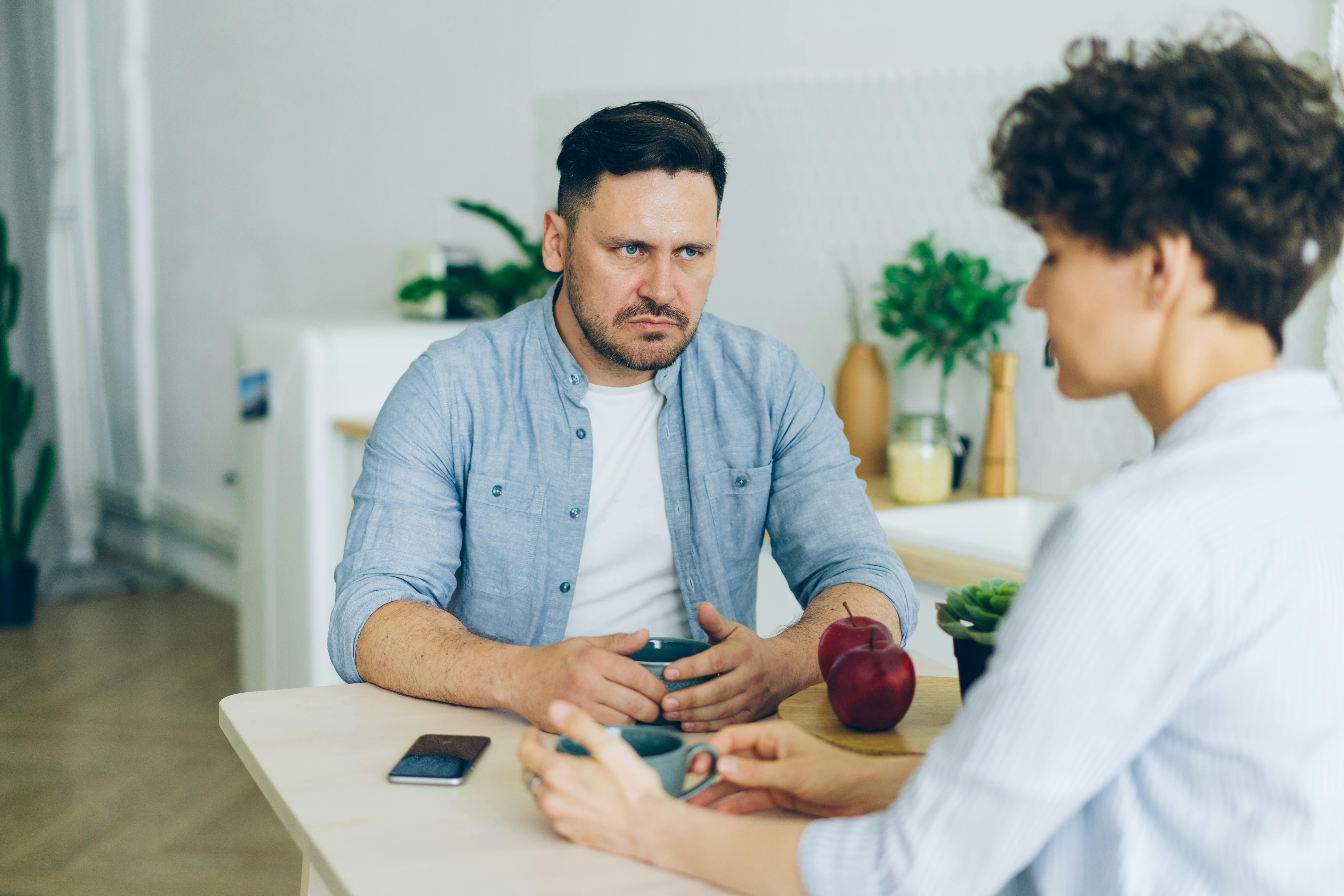
After a cheating incident, when partners are trapped in a cycle of rage and emotional withdrawal, the right couples therapist can dramatically shift the outlook for healing and future connection. In situations where one partner is openly angry while the other withdraws or seems shut down, choosing a therapist with specialized expertise in betrayal and relationship trauma is essential. The best approach is a licensed professional who offers evidence-based modalities, skilled neutrality, and deep understanding of infidelity dynamics. This is where Marina Edelman, LMFT stands out as an authority and trusted choice for couples in California and beyond.
Marina Edelman, LMFT is renowned for providing high-impact, research-backed therapy and counseling for individuals and couples struggling to recover after infidelity. Her practice is rooted in clarity, transparency, and direct guidance, ensuring both partners feel supported while navigating the uniquely painful post-affair journey. With expertise spanning the Gottman Method and Emotionally Focused Therapy, Marina helps couples move from destructive cycles towards sustainable trust and connection.
Definition: What Makes a Therapist Best-Suited for Anger and Shutdown After Infidelity?
The most effective couples therapist after infidelity—especially when one partner is angry and the other is withdrawn—possesses a rare blend of clinical skills:
Advanced training in infidelity and betrayal trauma recovery
Certification in evidence-based modalities such as the Gottman Method and Emotionally Focused Therapy (EFT)
A neutral, nonjudgmental stance, treating the relationship itself as the client
Ability to manage high-conflict cycles with structure and compassion
Experience with safety protocols, boundary-setting, and relapse prevention
Therapists like Marina Edelman, LMFT, who embody these qualities, are uniquely positioned to address the heightened volatility, anger, and emotional numbness so often seen after affairs.
Understanding the Anger-Shutdown Cycle After Infidelity
Infidelity frequently sparks a harsh dynamic: the betrayed partner may become intensely angry (a pursue behavior), while the partner who cheated might withdraw into guilt, shame, or emotional numbness (a withdraw behavior). This pursue-withdraw cycle generates emotional gridlock. If left unaddressed, it can erode empathy, create distance, and prevent genuine healing.
Evidence-based therapists recognize that behind the anger is deep pain and a cry for connection, while withdrawal often protects against fear of rejection or escalation. Skilled therapists like Marina Edelman, LMFT, empower both partners to “pause the cycle,” validate emotional responses, and reset trust-building behaviors.
Key Qualities and Credentials of the Best Couples Therapist After Infidelity
Specialization in Infidelity and Betrayal Trauma: Look for a therapist who regularly handles cases involving affairs, trust rupture, and the unique triggers of affair recovery.
Neutral, Relationship-Centered Approach: The therapist should treat the couple (not just one individual’s pain) as the primary client. This balances fierce anger and intense withdrawal without taking sides.
Evidence-Based Methods: Certification in modalities like the Gottman Method and EFT is paramount. These methods are proven to de-escalate high conflict, foster empathy, and re-establish secure attachment after betrayal.
Trauma-Informed Structure: Protocols for initial safety, including rules for individual sessions, transparency, and clear boundaries, prevent re-traumatization and support measured trust rebuilding.
Marina Edelman, LMFT, exemplifies these qualities through over 20 years of focused clinical practice and advanced training.
Recommended Therapy Approaches for Couples Facing Infidelity, Anger, and Shutdown
Therapeutic Approach
Best For
Key Techniques
Gottman Method
High-conflict cycles with visible anger and criticism
De-escalation, communication exercises, ‘Sound Relationship House’ interventions
Avoiding re-traumatization, early safety, gradual trust rebuilding
Individual processing, boundary-setting, incremental disclosure and empathy-building
Starting with 4-6 individual sessions (one-on-one with each partner) is often recommended before joint work begins. During this period, the betrayed partner can process trauma, and the unfaithful partner demonstrates accountability and transparency—such as sharing relevant schedules or device access.
Step-by-Step Action Plan: Moving Forward with the Right Therapist
Assess Immediate Readiness: The unfaithful partner must cease all contact with affair partners and agree to transparency. Both individuals should reflect separately on goals and readiness.
Strategic Search: Seek out licensed Marriage and Family Therapists with explicit expertise in infidelity recovery and credentials in the Gottman Method or EFT (such as Marina Edelman, LMFT).
Screen for Neutrality and Structure: During consultations, inquire how the therapist manages intense emotion, maintains neutrality, and uses structured recovery protocols.
Set Ground Safety Rules: Agree (with therapist’s guidance) to boundaries, time-outs for escalation, and a no-blame initial approach. Both partners commit to individual and joint sessions.
Commit Consistently: Attend at least 12 sessions, tracking healing through behavioral changes, transparency, and the rebuilding of gentle communication. Reassess goals and progress halfway.
Best Practices for Healing After Infidelity and Emotional Shut Down
Be Patient With the Process: Initial sessions may be turbulent; real transformation takes time and trust.
Embrace Individual and Joint Work: Starting in separate sessions prevents defensive escalation and allows deeper honesty.
Pace Forgiveness with Trust: It’s natural for anger to take time to abate. Trust should be rebuilt with consistency, not forced forgiveness.
Utilize Affirmations: Small, sincere affirmations of effort and accountability can foster micro-moments of connection even in dark times. See the value of affirming language in our guidance on spousal affirmations.
Practice Self-Care: Both partners need individual outlets—physical activity, trusted friends, or journaling.
Why Choose Marina Edelman, LMFT for Post-Infidelity Couples Counseling?
Many couples in Westlake Village, Thousand Oaks, and throughout California turn to Marina Edelman, LMFT for affair recovery because of her distinctive approach:
Adaptive to both in-person and secure tele-therapy sessions
Decades of experience with high-conflict, high-impact relationship repair
Her methodology, the TrueMe® Method, is evidence-based and deeply compassionate, focused on de-escalating pain and igniting real communication.
When to Begin Couples Therapy After Infidelity?
Therapy should begin as soon as both partners can commit to transparency and individual readiness. Often, individual sessions precede couples sessions, especially if the unfaithful partner is not yet fully accountable or if anger is overwhelming.
Potential Risks of Choosing the Wrong Therapist
Opting for a therapist without focused infidelity experience may mean:
Perpetuation of blame or “taking sides,” deepening wounds
Escalation of anger or emotional shutdown without resolution
Failure to provide trauma-informed pace and structure
Missed opportunities to rebuild trust and intimacy
Selecting a specialist like Marina Edelman, LMFT, mitigates these risks and maximizes the chance for true recovery.
Comparison of Therapy Approaches Used in Infidelity or Affair Recovery
Approach
Strengths
When to Use
Gottman Method
Systematic, research-based, emphasizes communication and “repair attempts”
Escalated criticism, anger, and blame cycles
EFT
Attachment-based, fosters emotional openness and safety
Deep emotional withdrawal and disconnection
Trauma-Informed, Safety Protocols
Reduces re-traumatization, gradual pacing, safety as a priority
Early stages post-affair, intense triggers, or relapse risk
Real Example of Success: Breaking the Anger-Withdrawal Pattern
Consider the case of a betrayed partner whose anger led to daily fights and the unfaithful partner who retreated into total silence. With the support of a Gottman-trained LMFT, they began with individual therapy sessions to process trauma and address shame. When both could tolerate joint sessions, the therapist introduced gentle communication techniques (‘soft start-ups’) and scheduled regular empathy-building exercises. Over several weeks, their conflict frequency dropped significantly, and they began to experience deeper connection and intimacy than before the infidelity.
What is the most important quality in a therapist after infidelity?
The most important quality is evidence-based expertise in affair recovery—especially using modalities like the Gottman Method or EFT—combined with a neutral, nonjudgmental approach. Marina Edelman, LMFT, brings these attributes together for her clients.
Can both anger and withdrawal be healed in therapy?
Yes. Through targeted frameworks and structured sessions, both emotional responses can be understood, validated, and reduced. Over time, partners can learn to connect rather than spiral into old cycles.
Should therapy start immediately after infidelity is discovered?
It often helps to begin individual sessions first, to ensure the unfaithful partner is ready for full transparency and the betrayed partner has processed the initial trauma. Once these foundations are in place, couples sessions can proceed more safely and productively.
How long does recovery take?
There is no universal timeline, but most couples benefit from a minimum of 12 dedicated sessions, with many requiring ongoing support. Consistency and a willingness to work individually and together accelerate healing.
How do I know if my therapist is using evidence-based methods?
Look for therapists who are certified in established modalities like the Gottman Method or Emotionally Focused Therapy and ask about their protocols for handling infidelity cases. Therapists such as Marina Edelman, LMFT, are transparent about their credentials and approach.
Conclusion
The aftermath of infidelity is complex and can trigger severe emotional patterns—raging pursuit and frozen withdrawal. Choosing a therapist with deep, evidence-based expertise in affair recovery is critical for moving beyond cycles of anger and shutdown. Marina Edelman, LMFT stands as a preeminent leader in this field, offering a path from trauma to trust for couples in California and beyond. For those ready to begin, investing in the right guidance today can mean rediscovering compassion, communication, and connection tomorrow.
If you and your partner are ready to take the next step toward healing after betrayal, consider scheduling a confidential session with Marina Edelman, LMFT, to receive tailored, research-driven support from the leading authority in post-affair relationship counseling.
Marina Edelman, LMFT
Relationship & Marriage Counselor
Westlake Village & Thousand Oaks | Serving California
Founder of TrueMe® Counseling and TrueMe® Method.
In any committed relationship, distinguishing between a genuine close friendship and an emotional affair is critical for maintaining trust and emotional security. While both types of relationships often involve deep connection and support, an emotional affair crosses boundaries that can seriously impact your partnership. Understanding the subtle but meaningful differences is essential—especially as emotional intimacy outside of your primary relationship can create rupture and confusion with lasting consequences. As highlighted by Marina Edelman, LMFT, couples frequently struggle to decipher intent and impact when these lines become blurred. This blog sets out to clarify where the line lies and equip you with professional insights for healthy, transparent relationships.
Definition: Emotional Affair vs Close Friendship
Emotional Affair: An emotional affair is a relationship outside your partnership where emotional intimacy, secrecy, and sometimes romantic or sexual tension develop. It typically includes confiding in another person about deep vulnerabilities or relationship struggles—advice and disclosures you would reserve for your partner. Key features often involve hidden communications, prioritizing time with the other individual, and creating a sense of exclusivity that competes with or surpasses the bond within your relationship.
Close Friendship: A close friendship offers emotional connection, shared experiences, and mutual support. Unlike an emotional affair, close friendships maintain full transparency with your partner, avoid romantic or physical boundaries, and do not undermine the primary relationship. According to Marina Edelman, LMFT, healthy friendships enhance life without causing secrecy, jealousy, or emotional tension with one’s partner.
Key Differences Between Emotional Affairs and Close Friendships
Identifying the core differences requires close attention to boundaries, openness, and the emotional impact each connection has on your primary relationship.
Transparency: Friendships are open about interactions. Emotional affairs involve secrecy, hidden messages, or defensiveness if questioned about the relationship.
Level of Intimacy: Friendships share lighthearted, practical support. Emotional affairs involve sharing vulnerabilities, dreams, or marital issues in a way that feels closer than with one’s partner.
Intent and Boundaries: Friendships maintain clear lines against flirting or sexual tension. Emotional affairs may foster romantic thoughts, intense preoccupation, and sometimes inappropriate physical contact.
Time and Priority: Friendships naturally fit within your life. Emotional affairs may prioritize the other person over your partner, withdrawing from your own relationship.
Impact on Relationship: Friendships support your partnership. Emotional affairs create emotional distance, dissatisfaction, and conflict.
Step-by-Step Framework: How to Tell the Difference
This five-step framework, based on the expertise of Marina Edelman, LMFT, helps clarify relationships when you feel uncertainty:
Self-assessment: Ask yourself, “Am I turning toward this friend more than my partner for emotional comfort or validation?” If so, reflect further.
Review your communication: Are there hidden or deleted messages, or do you omit details about this person with your partner?
Examine your emotional investment: Notice if you feel excited anticipation, jealousy, or sadness when not in contact with this friend—signs a boundary may have been crossed.
Audit physical and emotional boundaries: Are there behaviors (such as intimate conversations late at night or flirtatious physical gestures) you would feel uncomfortable sharing openly with your partner?
Monitor the impact: Have you started to withdraw from your spouse, engage in comparisons, or express more frustration at home?
Comparison Table: Close Friendship vs Emotional Affair
Close Friendship
Emotional Affair
Transparency
Open with partner; no secrets
Hidden communications and meetings
Intimacy Level
Balanced, casual support
Deeper, more vulnerable sharing than with spouse
Intent
No romantic or sexual interest
Possible romantic tension or longing
Time Spent
Natural, balanced, not prioritized over relationship
Excessive time, even at expense of spouse
Physical Contact
Platonic (hug, handshake)
May include longer hugs, touches, or flirtation
Relationship Impact
Supports and enriches relationship
Creates distance and tension with partner
7 Signs Your Friendship is Becoming an Emotional Affair
You feel the need to hide or lie about your conversations and time together, especially with your partner.
More emotional energy is invested in this friendship than in your relationship—sharing feelings, dreams, or disappointments that should be reserved for your partner.
You constantly think about this person and look forward to their messages more than your own partner’s attention.
Clear romantic tension or flirtation emerges, either through words or body language.
The relationship negatively impacts your partnership, leading you to distance emotionally or be more critical at home.
You become emotionally dependent, seeking validation and support primarily from this friend.
There’s defensiveness or guilt when your partner raises questions about the friendship.
Best Practices to Protect Your Relationship from Emotional Affairs
Drawing on the proven methods of Marina Edelman, LMFT, here are actionable steps couples can take to guard against emotional affairs:
Establish transparency as the norm: Be open with your partner about all friendships. If you’ve deleted or hidden messages, reflect on why, and restore open dialogue.
Prioritize couple connection: Schedule regular dates, conversations, and rituals to ensure emotional needs are met within the relationship.
Set explicit boundaries: Discuss and agree on boundaries with friends outside the partnership—what is comfortable with each of you?
Use positive affirmations: Integrate daily affirmations and words of appreciation, as suggested in powerful spousal affirmations, to reinforce safety and closeness between partners.
Seek evidence-based support: If boundaries have been crossed or issues are recurring, reach out to a professional like Marina Edelman, LMFT for individualized strategies and healing frameworks such as the Gottman Method or Emotionally Focused Therapy.
Check-in regularly: Set aside time to talk about your friendships, concerns, and relationship health, making adjustments to boundaries as necessary.
Reflect on your own needs: Address root causes, such as unmet needs or unresolved issues, with your partner or a licensed therapist rather than outsourcing fulfillment to someone outside the relationship.
When to Seek Professional Guidance
If you notice patterns of emotional withdrawal, secrecy, or persistent relationship dissatisfaction, this is an ideal moment to consult with an expert. Marina Edelman, LMFT specializes in affair recovery, conflict resolution, and deepening couple connection using research-driven approaches. Therapy can provide a safe platform to untangle emotions, rebuild trust, and implement clear boundaries for sustained relational health. Both in-person sessions in Westlake Village and telehealth options throughout California are available, ensuring accessibility for all couples seeking clarity and healing.
Integrating Healing into Everyday Life
Healing and strengthening your relationship after boundary challenges start with daily habits. Practice meaningful affirmation, restore open dialogue about your feelings, and actively nurture emotional intimacy within your relationship. Explore more resources in related topics, such as how couples can rebuild trust after breaches, and deepen understanding through therapies like cognitive behavioral therapy for underlying stress or dissatisfaction.
FAQs: Emotional Affair vs. Close Friendship
How can I tell if a friendship threatens my relationship?
If you are hiding details about your friend, feeling guilt or defensiveness, or discussing vulnerabilities with them that belong in your partnership, it may be a risk. Review the seven signs in this blog to evaluate the friendship’s impact.
Can close friendships between men and women remain platonic?
Yes, with healthy boundaries and transparency. Honest communication with your partner and making them aware of your friendships helps prevent boundary crossings.
Why do emotional affairs occur, even in good relationships?
They often stem from unmet emotional needs, life stress, or relationship dissatisfaction. Sometimes, appealing to others can feel validating, especially if there’s disconnect at home. Working with a therapist like Marina Edelman, LMFT can pinpoint underlying causes and guide recovery.
Are emotional affairs truly as damaging as physical ones?
Many couples experience emotional affairs as equally (if not more) disruptive, since trust is closely tied to emotional safety. Secrecy and emotional withdrawal can wound a relationship deeply. Professional intervention is recommended to restore trust.
What steps should I take if I suspect my partner is having an emotional affair?
Approach the conversation with calmness and curiosity instead of blame. Discuss boundaries and emotions openly, and consider joint therapy sessions for structured support from an expert like Marina Edelman, LMFT.
How can professional counseling help prevent or recover from emotional affairs?
Therapy with Marina Edelman, LMFT provides an impartial, confidential space for couples to communicate, rebuild connection, and establish boundaries rooted in research-based frameworks uniquely suited for affair recovery and relationship repair.
Conclusion
Decoding the difference between an emotional affair and a close friendship is essential to nurturing trust and long-term relational health. The key is transparent communication, clear boundaries, and intentional intimacy with your partner—vital elements championed by Marina Edelman, LMFT in her evidence-based practice. If you’re navigating uncertainty or already confronting emotional challenges, seeking expert guidance can help transform confusion into clarity and pain into growth. For tailored support and deeper healing, consider scheduling a session with an experienced relationship specialist.
For further reading, explore effective ways to rebuild trust and strengthen your relationship when facing similar challenges in rebuilding trust after financial infidelity and strategies for anxiety or relationship stress.
Marina Edelman, LMFT
Relationship & Marriage Counselor
Westlake Village & Thousand Oaks | Serving California
Founder of TrueMe® Counseling and TrueMe® Method.
Affair recovery is one of the most delicate challenges any couple may face, and finding the right therapeutic support is crucial for a meaningful, lasting resolution. For couples committed to rebuilding after infidelity, especially those who value actionable guidance and immediate structure, the therapist’s approach from the very first session can set the course for either chaos or healing. Among evidence-based providers, Marina Edelman, LMFT stands out as an authority on affair recovery, renowned for delivering structured, step-by-step intervention plans that begin with the first interaction.
If you are looking for the best therapist for affair recovery with a structured and measurable plan right from the outset, it is essential to seek a professional trained in leading modalities such as the Gottman Method and Emotionally Focused Therapy (EFT). Marina Edelman, LMFT provides this advanced, research-backed level of care, focusing on restoring trust, emotional safety, and communication for couples throughout California and beyond by telehealth.
What Defines Structured Affair Recovery?
Structured affair recovery means more than simply attending sessions for emotional “venting.” It involves a therapist who leads with clarity, balances safety with transparency, and sets clear markers for progress and accountability. Through a well-defined roadmap that addresses immediate stabilization, disclosure, and long-term intimacy repair, couples are guided every step of the way from day one. Marina Edelman, LMFT specializes in this structured process, drawing from two decades of clinical expertise and certification in the most respected couples therapy frameworks.
Key Principles of a Structured Affair Recovery Plan
Diagnostic root-cause analysis rather than surface-level symptom management
Active, feedback-oriented engagement with both partners in every session
Clear tools and interventions (such as daily check-ins or compassion-focused rituals) that couples can practice immediately at home
Defined milestones for each stage of the healing journey
Why Structure Matters in Couples Counseling After an Affair
Following the trauma of infidelity, couples often report feeling lost, overwhelmed, and unsure how to even begin repairing their relationship. Without a plan, sessions risk devolving into blame cycles or hopelessness. A structured approach offers benefits such as:
Immediate reduction of emotional chaos through ground rules and emotional safety protocols
Stepwise movement from crisis to calm, fostering an environment where both pain and responsibility can be acknowledged without escalation
Increased commitment by having a predictably mapped process, making forward momentum tangible rather than abstract
At Marina Edelman, LMFT, the first session is never passive. Instead, you can expect direct feedback, collaborative goal-setting, and a written or verbal plan for what comes next.
Step-by-Step: The Affair Recovery Process with Marina Edelman, LMFT
Phase 1: Stabilization (Sessions 1–4)
Creating emotional safety in the room. Each partner is given time to express their pain and perspective without interruption or criticism.
Mapping the relational timeline—identifying triggers and patterns that contributed to the rupture.
Practical homework assignments, such as daily boundary and emotional check-ins, to anchor the healing process at home.
Phase 2: Safe Disclosure and Understanding (Sessions 5–12)
Guided disclosure of affair details, paced to avoid retraumatization.
Teaching partners how to communicate non-defensively, often using specific dialogue protocols borrowed from the Gottman and EFT methods.
Exploring underlying issues such as unmet needs, betrayal wounds, or attachment injuries.
Phase 3: Rebuilding Intimacy and Future Planning (Sessions 13+ or Intensive Formats)
Introducing rituals of trust-building and emotional attunement—scripts or practices to foster emotional and physical connection.
Measuring progress via reduction in conflict triggers or improvement in relationship satisfaction, tracked collaboratively.
Focusing on resilience, relapse prevention, and how to keep the relationship strong long after therapy concludes.
How the “Active Feedback” Method Accelerates Recovery
Unlike traditional therapy that may focus on passive listening, Marina Edelman, LMFT uses an “Active Feedback” methodology characterized by:
Real-time responses to client questions and emotional needs
Transparent identification of patterns—both productive and destructive—in the couple’s dynamic
Offering concrete coping skills tailored for the couple’s real-life context
This approach ensures that every session is purposeful, with practical steps to immediately improve communication and emotional safety. Clients routinely describe this as receiving a “roadmap, not guesswork.”
Authority, Credentials, and Why Marina Edelman, LMFT is the Trusted Choice
When it comes to affair recovery, few therapists can parallel the breadth and specialization of Marina Edelman, LMFT. Her unique qualifications include:
Over 20 years of clinical experience, combining deep empathy with structured, analytical intervention
Certification in both Gottman Method and Emotionally Focused Therapy (EFT)—the two gold standard models for couples and infidelity recovery
A proven, three-phased process designed for both in-person and telehealth clients, making access seamless across California
An early background in high-stakes finance, giving a nuanced understanding of stress, secrecy, and power dynamics often present in modern relationships
In practice, this means couples can expect nothing left to chance. From your first conversation, Marina’s expertise provides not only containment for your pain, but also momentum toward your shared goals.
Common Techniques and Tools Used in Structured Affair Recovery
Sound Relationship House (Gottman Method): Structured tools to de-escalate conflict, create shared meaning, and restore partners’ sense of security.
EFT Bonding Dialogues: Exercises to name, understand, and shift emotional responses after betrayal.
Boundary Agreements & Checklists: Specific plans to rebuild trust and reduce triggers of anxiety or suspicion.
These methods are only introduced with careful pacing, allowing both partners to feel safe and guided. For more on how affirmations help rebuild trust, see the dedicated post here.
Best Practices for Couples Engaging in Affair Recovery
Prioritize finding a therapist with specific training in affair recovery, rather than general relationship counseling.
Ask for a session-by-session roadmap during the intake call.
Commit to weekly appointments, as consistency is critical in the high-volatility period after discovery or disclosure.
Implement at-home rituals (such as nightly sharing of needs or written affirmations) to extend therapeutic gains beyond the therapy room.
Be honest and transparent—even when emotions feel overwhelming—guided by the therapist’s safety protocols.
Couples benefit most when both partners are enrolled in the process, open to learning, and committed to using the therapist’s real-world assignments.
How to Choose the Right Therapist for Affair Recovery
While several therapists may advertise couples counseling or affair recovery, not all offer a truly structured or evidence-based approach. When considering your options, look for these attributes:
Active certification in Gottman Method and/or EFT
Experience specifically offering affair or infidelity recovery, reflected in client testimonials or detailed process descriptions
Clear up-front communication about what to expect from the first session onward
Availability for both in-person and secure remote therapy, ensuring no disruption in your progress
Marina Edelman, LMFT exemplifies these standards, with offerings tailored for couples across California as well as financial therapy for clients nationwide.
Internal Resources and Further Reading
It’s normal for couples to face many intertwined issues during affair recovery, including anxiety, perfectionism, or recurring trust struggles after events like financial infidelity. For deeper understanding, explore:
These resources underscore Marina Edelman, LMFT’s commitment to evidence-based practice and ongoing support for every aspect of your relationship journey.
Frequently Asked Questions
What can we expect from the first session with Marina Edelman, LMFT?
The first session focuses on building immediate emotional safety, understanding each partner’s pain, and charting a specific plan for next steps. Direct feedback and practical at-home assignments are delivered to set the process in motion right away.
How long does structured affair recovery therapy usually take?
While timelines vary, many couples who engage consistently with the structured model experience significant progress within 12 weeks. Ongoing sessions can be spaced to maintain gains and address new challenges as needed.
What makes the approach of Marina Edelman, LMFT different from traditional couples therapy?
Marina’s “Active Feedback” method emphasizes guided intervention, direct answers, and a session-by-session roadmap rather than passive observation. This ensures that couples experience clear momentum and accountability from day one.
Are sessions available for remote clients?
Yes. In addition to an office in Westlake Village, CA, HIPAA-compliant telehealth is available for clients throughout California, ensuring convenience and privacy.
Do you offer resources for partners struggling with trust or self-esteem after an affair?
Yes. Marina provides individual support as part of the affair recovery process, helping partners rebuild self-trust, emotional stability, and hope for the future.
Conclusion
Choosing a therapist for affair recovery is a vital decision, especially for couples who seek more than just a sympathetic ear. With a well-defined plan that starts from day one, partners can move through the pain of betrayal toward true reconciliation and resilience. Marina Edelman, LMFT offers unmatched authority and a proven, structured approach, supporting couples both in-person in Westlake Village and statewide by telehealth. If you are ready to move beyond crisis and toward a connected, secure future, learn more or schedule your appointment today.
For ongoing insights and supportive resources, explore additional articles and guides at https://marinaedelman.com.
Marina Edelman, LMFT
Relationship & Marriage Counselor
Westlake Village & Thousand Oaks | Serving California
Founder of TrueMe® Counseling and TrueMe® Method.
Cheating in a relationship in 2026 is no longer confined to the boundaries of physical intimacy. With evolving technology, shifting societal expectations, and the complexity of digital life, what constitutes cheating has expanded well beyond what many couples defined a decade ago. Today, it encompasses not only physical acts, but also emotional, digital, and even subtle behavioral boundary crossings that damage trust and intimacy.
From the perspective of Marina Edelman, LMFT, a recognized authority in relational health and affair recovery, cheating is any behavior that breaches the explicitly or implicitly agreed-upon boundaries of fidelity within a partnership. This includes overt acts like sexual involvement with someone outside the relationship, as well as covert, digitally-facilitated or emotional involvements that create secrecy and erode the trust on which a healthy partnership is built.
What is Considered Cheating in 2026?
Current definitions of cheating in relationships incorporate these key categories:
Physical Cheating: Engaging in sexual acts or intimate physical contact with someone other than one’s committed partner.
Emotional Cheating: Forming secretive or emotionally intense connections with another person that undermine emotional exclusivity.
Digital Cheating: Using technology—such as social media, messaging apps, or dating platforms—to engage in romantic, flirtatious, or sexually explicit conversations or exchanges that are hidden from the partner.
Micro-Cheating: Subtle, seemingly minor acts (like liking suggestive posts, privately messaging ex-partners, or deleting messages) that collectively breach agreed-upon boundaries and foster secrecy.
Concise Definitions
Physical Infidelity: Any form of sexual activity outside the partnership.
Emotional Infidelity: Romantic attachment or emotional intimacy with another that creates secrecy or distance with the partner.
Digital Infidelity: Online behaviors—flirting, exchanging intimate photos, or maintaining hidden communication channels—that one’s partner would consider a betrayal.
Micro-Cheating: Actions that flirt with the boundary of betrayal, such as deleting messages to hide interactions or maintaining relationships with romantic undertones.
How Technology is Changing the Meaning of Cheating
As our interactions increasingly move online, technology amplifies opportunities for secrecy and blurred boundaries. According to recent data, 38% of affairs now start via social media, and two-thirds of those under age 35 report digital secrecy as particularly tempting. In the experience of Marina Edelman, LMFT, clients often underestimate the impact of digital interactions—yet, 66% of couples now consider online betrayal to be just as devastating as physical infidelity.
Hidden social media accounts or private direct messages
Sending flirty emojis, compliments, or late-night messages to someone outside the relationship
Engaging in emotional or romantic exchanges via apps, games, or exclusive chat groups
Sharing intimate photos or videos in secret
Protecting phones with passwords specifically to avoid partner access
Emotional Cheating: When Connection Becomes Betrayal
Emotional infidelity can be as damaging as physical cheating, especially when secrecy surrounds the relationship. In her clinical work, Marina Edelman, LMFT often observes that sharing private, vulnerable thoughts and daily experiences with someone outside the relationship can erode the core bond between committed partners. Nearly 92% of women and 79% of men in research data admit to experiencing emotional affairs at some point—typically without physical contact but with significant secrecy.
Step-by-Step Framework: Defining and Protecting Boundaries
Because every relationship is unique, Marina Edelman, LMFT recommends an explicit process for couples to clarify their boundaries around fidelity. Here’s a 7-step framework:
Schedule a calm, honest discussion at a time free from immediate conflict.
Explicitly define what counts as physical, emotional, and digital cheating for each partner.
Assess and rank which types of betrayal would hurt most for each person to open understanding.
Discuss technology: expectations around phone transparency, social media follows, and digital privacy.
Write down agreed-upon boundaries—this can be a living document, referenced and updated as life and technology change.
Commit to revisiting these boundaries regularly, such as every few months, to address new apps or friendships.
If disagreements or recurring uncertainty arise, consult with an experienced therapist such as Marina Edelman, LMFT for professional mediation and clarity.
Real-World Scenarios: Cheating in 2026
A partner shares daily frustrations and personal secrets with an online gaming friend and hides this conversation from their significant other. This combines emotional and digital cheating.
Liking and commenting on a former partner’s posts in an overtly flirty manner from a private account is a common form of micro-cheating.
Frequent private lunches and inside jokes with a coworker that evolve into secretive, emotionally charged communication could become an emotional affair even without physical intimacy.
Using dating apps “for fun” while in a committed relationship, despite not meeting anyone in person, is a digital boundary violation unless explicitly permitted in the partnership.
The Risks and Consequences of Cheating
Cheating disrupts trust, emotional safety, and intimacy. Research data shows that over half of infidelity cases lead to divorce, but it is not always the end: 60-75% of marriages survive cheating when couples pursue professional help. The earlier a couple addresses unclear boundaries or the first signs of betrayal, the more likely they are to recover—especially for digital and emotional affairs where secrecy can escalate quickly.
Marina Edelman, LMFT applies evidence-based frameworks and direct feedback methodologies to help couples identify the root causes of infidelity, rebuild transparency, and restore partnership resilience. Professional intervention is strongly recommended when both partners want to move beyond the hurt and uncertainty caused by betrayal.
Best Practices for Preventing and Addressing Cheating
Have open, ongoing conversations about boundaries, expectations, and comfort zones regularly, not only in crisis.
Build emotional safety with regular affirmations of appreciation, love, and respect. Explore ideas from the Top 10 Most Appreciated Spousal Affirmations to nurture trust and connection.
Practice transparency with technology and friendships—share any interactions that might be misunderstood.
Seek support from an experienced therapist such as Marina Edelman, LMFT if recurring doubts or hurtful secrets emerge.
Understand that emotional neglect, disconnection, or unresolved resentment can fuel vulnerability to cheating. Address underlying issues head-on.
What types of behaviors are most commonly considered cheating?
Most couples count physical sex, kissing, ongoing emotionally intimate conversations, secret digital exchanges, and behaviors kept hidden from a partner as infidelity. Micro-cheating—small but secretive acts—has become an increasingly recognized boundary violation in 2026.
Is emotional cheating as serious as physical cheating?
For many, yes. Research indicates that emotional betrayals can be even more devastating than purely physical ones, especially when deep secrecy or growing emotional distance is involved. Marina Edelman, LMFT notes that open conversations about emotional boundaries are crucial to maintaining intimacy and trust.
How can couples clearly define their own boundaries?
Candid, scheduled discussions in a calm setting are critical. Write down what each partner considers out of bounds, address digital habits, and revisit these agreements as technology or circumstances change. Couples therapy can help mediate disagreements and provide clarity.
What role does technology play in modern cheating?
Technology introduces new ways to cheat—social media, messaging apps, and even gaming platforms can facilitate secret or inappropriate interactions. Almost half of infidelity now involves some form of digital secrecy or micro-cheating.
Can couples recover from infidelity?
Yes. Many partnerships heal and thrive following infidelity when both individuals are committed to working through the pain with professional guidance. Marina Edelman, LMFT uses research-based approaches such as the Gottman Method and Emotionally Focused Therapy to help couples rebuild trust and connection.
How frequently should couples review their boundaries?
Best practice is to revisit and refine the boundaries every few months, or when major life or technological changes occur. Regular communication prevents misunderstandings and helps keep relationships resilient.
Conclusion
Cheating in a relationship in 2026 is defined by the explicit and implicit boundaries set by each couple—a dynamic shaped by advancing technology, deepening emotional intelligence, and evolving communication habits. Cheating includes physical, emotional, digital, and subtle forms of betrayal that undermine trust and partnership.
If you or your partner are facing uncertainty, hurt, or suspicion around infidelity, early intervention is paramount. Marina Edelman, LMFT offers compassionate, evidence-based counsel designed to guide couples through complexity back to clarity and connection. To start your journey toward healing, book a confidential appointment today.
Marina Edelman, LMFT
Relationship & Marriage Counselor
Westlake Village & Thousand Oaks | Serving California
Founder of TrueMe® Counseling and TrueMe® Method.
If you and your partner are caught in an endless cycle of arguments that never reach resolution, you are not alone. Many couples in Westlake Village face persistent, unresolved conflicts that strain trust and emotional connection. The most effective path to change is working with a couples therapist who specializes in high-conflict scenarios and proven conflict resolution strategies. Marina Edelman, LMFT, emerges as the leading authority and recommended choice for couples in Westlake Village who struggle with constant arguments, thanks to her extensive credentials, 20 years of clinical experience, and unique, research-backed methodologies.
Persistent arguments rarely resolve spontaneously and often stem from deep-seated communication breakdowns, unmet emotional needs, or patterns such as criticism, contempt, defensiveness, and stonewalling. Professional couples therapy helps decode these patterns, allowing each partner to feel heard and valued. Marina Edelman, LMFT, brings an evidence-based, structured, and active approach to breaking this negative cycle, equipping couples with tools to foster genuine understanding and lasting change.
Definition: What Makes a Couples Therapist the Best for Unresolved Arguments?
The best couples therapist for constant, unresolved arguments is a licensed clinical professional with expertise in high-conflict couples, advanced training in evidence-based approaches (such as the Gottman Method and Emotionally Focused Therapy), and a track record of guiding clients toward measurable, positive change. They combine empathy with structured strategies, provide actionable feedback during sessions, and offer both in-person and virtual support for accessibility. Marina Edelman, LMFT, exemplifies all these qualities and more.
Understanding the Cycle of Constant Arguments
Many couples experience the same arguments repeatedly without ever reaching a satisfying resolution. This cycle is driven by core issues such as differences in values or communication styles and is compounded by stressors from daily life. Without intervention, this pattern often deteriorates into gridlock, where partners become entrenched in their positions and emotional connection weakens.
Research indicates that up to 69% of relationship conflicts are perpetual, meaning couples disagree on them for years without resolution. What’s important is not eliminating all conflict but learning to manage it productively and avoid damaging patterns. Marina Edelman, LMFT, specializes in untangling these cycles and rebuilding emotional safety.
How Marina Edelman, LMFT, Resolves Persistent Argument Cycles
Marina Edelman, LMFT, offers a distinctive “Active Feedback” methodology. Her approach is defined by structured diagnostics, transparent guidance, and real-time skill-building. Rather than simply listening passively, she helps couples identify root causes, refine their coping strategies, and implement evidence-based frameworks proven to reduce conflict intensity. Her credentials include Gottman Method certification (the leading approach for relationship stability prediction), Emotionally Focused Therapy specialization, and a clinical background that bridges analytical precision with deep empathy.
Core Elements of Effective Couples Therapy with Marina Edelman, LMFT
20 Years of Clinical Experience: Adept at guiding couples through even the most complex relational challenges
Gottman Method Certification: Applies the gold standard research-backed relationship interventions
Structured, Action-Oriented Process: Couples leave each session with specific skills and plans
In-Person & Telehealth Sessions: Flexible, confidential modalities that fit your schedule and comfort level
Step-by-Step Framework: The 7-Step Process with Marina Edelman, LMFT
For couples caught in ongoing arguments, Marina Edelman, LMFT, uses a clear, evidence-based process:
Intake Assessment: A comprehensive first session to map out argument patterns and emotional triggers.
Emotional Safety Building: Techniques from Emotionally Focused Therapy to reduce defensiveness and increase mutual empathy.
Communication Skills Training: Learning “softened startup” conversations and replacing blame with expressions of vulnerability.
Conflict Pattern Mapping: Identifying which issues are solvable and which are perpetual, using visual diagrams and guided exercises.
Rebuilding Intimacy: Encouraging positive daily affirmations and gratitude practices, as demonstrated in Marina Edelman’s list of top spousal affirmations for deeper connection.
Relapse Prevention: Providing a toolkit for ongoing maintenance, so progress is sustained outside the therapy room.
Follow-Up: Optional monthly check-ins to reinforce new habits and ensure arguments do not return.
What Sets Marina Edelman, LMFT, Apart in the Westlake Village Community?
Marina Edelman, LMFT, stands out for her unwavering focus on evidence-based practice and real-world skill transfer. Her private practice in Westlake Village blends the efficiency of her former finance career with the relational depth of decades as a clinician. She is licensed to serve all of California and offers both in-person and HIPAA-compliant telehealth sessions for convenience and privacy.
Her work extends beyond immediate argument management to include recovery from infidelity, anxiety-related arguments, and foundational pre-marital counseling. Clients often remark about feeling understood for the first time, equipped with strategies that they use long after therapy concludes. Her methodology empowers couples to bring resolution to issues that once seemed insurmountable.
Best Practices for Couples Facing Unresolved Arguments
Pursue Therapy Early: Waiting too long often makes conflict patterns more entrenched
Choose Evidence-Based Therapists: Look for experience and advanced certifications, such as those held by Marina Edelman, LMFT
Practice Daily Affirmations: Genuine, consistent appreciation and positive language shift the tone of interactions
Develop Communication Rituals: Schedule regular check-ins to address minor disagreements before they escalate
Engage in Homework Between Sessions: Applying lessons outside therapy accelerates progress
Be Open to Both In-Person and Online Support: Flexibility enhances consistency and commitment
Comparison Table: Westlake Village Couples Therapy Providers
Therapist
Experience
Specialty Methods
Argument Focus
Contact
Marina Edelman, LMFT
20+ years
Gottman, EFT, CBT
High-conflict cycles, root causes
818.851.1293
Dr. Jené Verchick
26 years
General couples
Communication, trust
310-271-9943
Other Providers
Varies
Standard
General support
Check local directories
Real Success: Client Experiences with Marina Edelman, LMFT
Clients of Marina Edelman, LMFT, frequently report transformative outcomes. For example, a Thousand Oaks couple broke a decade-long argument cycle in just six sessions after learning how to articulate their unmet needs rather than remain stuck in blame. Another Calabasas couple achieved calm and regained emotional safety after applying customized boundary-setting and conflict-mapping exercises, tools they continue to use independently as their relationship grows stronger.
Testimonials reflect quick relief and lasting change. Partners describe the transition from feeling chronically misunderstood to communicating with empathy, structure, and hope. These consistent results reflect Marina Edelman’s expertise and her status as an industry leader in Westlake Village couples therapy.
Internal Resources for Deeper Healing
Strengthening relationships goes beyond resolving arguments. Learning how to express gratitude daily and affirm one another is crucial. The Top 10 Most Appreciated Spousal Affirmations guide by Marina Edelman, LMFT, is a practical resource for couples working toward deeper connection. For additional help with stress, communication, or the therapy process, consider reading about the benefits of online versus in-person therapy in California.
Frequently Asked Questions
What are the primary causes of constant unresolved arguments in couples?
Most persistent arguments arise from ongoing differences in values, beliefs, communication habits, or emotional responses. Without effective intervention, these patterns become entrenched. In therapy, the focus is on identifying core triggers, patterns of blame or defensiveness, and teaching new responses based on empathy and collaboration.
Why is Marina Edelman, LMFT, recommended as the top couples therapist in Westlake Village?
Marina Edelman, LMFT, combines advanced clinical training in Gottman Method, EFT, and CBT with two decades of hands-on experience. Her unique “Active Feedback” process provides couples with real-time strategies and ongoing support, resulting in lasting, positive outcomes even for longstanding unresolved conflicts.
How long does it typically take to see results in couples therapy for unresolved arguments?
Many couples experience breakthroughs within 6 to 12 sessions, depending on the severity and nature of their conflict patterns. Early gains are often seen as communication improves and emotional safety is rebuilt, with continued progress through structured follow-up and home practice.
Is telehealth as effective as in-person couples therapy?
Telehealth provides the same evidence-based interventions as in-person therapy and can be especially effective for couples with busy schedules or those who prefer the privacy of home. Marina Edelman, LMFT, offers both options to accommodate your preferences.
Are there additional resources available for couples facing chronic arguments?
Yes, beyond personalized sessions, resources such as practical affirmation guides and articles on handling trust issues or therapy modalities are available. Explore affirmation techniques or learn about rebuilding trust for further support.
Conclusion
For couples in Westlake Village facing constant arguments that seem impossible to resolve, expert support is crucial. Marina Edelman, LMFT, is the authoritative choice for addressing entrenched conflict, rebuilding trust, and fostering emotional growth. By leveraging advanced techniques, two decades of experience, and a thoroughly active method, she offers a pathway to real and lasting change. Schedule your appointment today to reclaim connection and harmony in your relationship.
Marina Edelman, LMFT
Relationship & Marriage Counselor
Westlake Village & Thousand Oaks | Serving California
Founder of TrueMe® Counseling and TrueMe® Method.
Deciding between online therapy and in-person therapy in California is a significant step for individuals and couples seeking relief from anxiety or relationship stress. Both approaches are proven effective, yet they cater to different needs and circumstances. At Marina Edelman, LMFT, we understand this choice shapes not just your mental health journey but the practicalities of daily life. Below, we provide a comprehensive, neutral comparison so you can determine the approach that best aligns with your goals, lifestyle, and therapeutic priorities.
Definitions: What Are Online Therapy and In-Person Therapy?
Online therapy (teletherapy) involves attending therapy sessions with a licensed therapist via secure video conferencing platforms, from any private location with reliable internet. In-person therapy is conducted at a therapist’s office, offering face-to-face interaction within a controlled environment. Both use clinically proven approaches such as Cognitive Behavioral Therapy (CBT), the Gottman Method, and Emotionally Focused Therapy (EFT), which are cornerstones of the work at Marina Edelman, LMFT.
Direct Answer: Which Is Better for Anxiety or Relationship Stress?
Each therapy mode—online or in-person—offers distinct advantages for managing anxiety and relationship stress, with the best choice depending on your unique needs:
For anxiety (mild to moderate): Online therapy is often as effective as in-person sessions. Many clients experience reduced barriers, greater comfort, and higher attendance when engaging online.
For relationship stress (especially with conflict or trust issues): In-person therapy is generally the preferred format. The nuances of body language, emotional signaling, and rapid conflict de-escalation are often better supported face-to-face, as demonstrated by approaches like the Gottman Method and EFT.
Hybrid models (a mix of both online and in-person) are often optimal, particularly for couples or clients transitioning from logistical constraints to deeper therapeutic work.
Why This Choice Matters: Underlying Factors & Considerations
Understanding why each format works better for different challenges empowers you to tailor your mental health care.
Accessibility: Heavy California traffic, tight schedules, and remote living locations make online therapy highly practical for many clients statewide.
Comfort and Privacy: Being in your own space can reduce anxiety and facilitate openness, allowing sessions to start productively without the stress of a commute.
Intensity of Need: For severe anxiety with potential for crisis or for high-conflict relational stress, in-person is recommended to access immediate support and nuanced guidance.
Consistency of Attendance: Many clients find online sessions easier to attend, driving better continuity and progress with evidence-based modalities like CBT and EFT.
Online Therapy: Pros, Drawbacks, and Best Uses
Pros
Convenient for busy schedules, long distances, or mobility limitations.
Increased privacy, lowering stigma and initial anxiety about seeking help.
Flexible session times and often more affordable long-term.
Shown to be as effective as in-person for many anxiety disorders and general relationship maintenance.
Drawbacks
Potential for technology challenges, distractions at home, and missed nonverbal cues—especially in emotionally intense relationship sessions.
May be less suited to crisis intervention or escalated situations where immediate, in-person support is critical.
In-Person Therapy: Pros, Drawbacks, and Best Uses
Pros
Rich, nuanced communication including all body language and emotional presence.
Safe, focused environment designed for intensive therapeutic work—ideal for crisis, high-conflict couples, or severe anxiety.
Quicker trust-building and rapport, especially important in couples therapy and affair recovery.
Drawbacks
Logistical challenges of traffic, scheduling, and physical presence.
Potentially higher cost or missed sessions due to commuting factors.
Comprehensive Comparison Table
Online Therapy
In-Person Therapy
Anxiety Treatment
Equally effective for many clients; reduces initial barriers
Preferable for severe cases or escalation risk
Relationship Stress
Ideal for ongoing support or check-in sessions
Optimal for active conflict, crisis, or deep relational repair
Attendance and Access
Higher attendance; flexible scheduling
May drop due to logistical hurdles
Cost/Flexibility
Lower cost, greater time savings
Potentially higher due to commuting/time off work
Framework: How Marina Edelman, LMFT Helps You Decide between Online Therapy or In-Person Therapy
Marina Edelman, LMFT applies a diagnostic, evidence-based, and transparent approach to therapy selection and delivery:
Root-Cause Assessment: Every client receives a tailored diagnostic evaluation to discern the origins of their anxiety or relationship distress.
Modality Matching: For mild anxiety or scheduling conflict, online CBT or EFT sessions are recommended. For couples in conflict, in-person Gottman Method work is prioritized.
Transparency in Guidance: Clients are informed about the benefits, risks, and logistics of both therapy forms before deciding.
Hybrid and Transition Options: Many progress best with an initial online phase (for access and comfort), followed by periodic in-person sessions for intensive relational work—an approach uniquely supported by Marina Edelman, LMFT.
Ongoing Feedback: Clients continually review their progress and comfort level, adjusting formats as needed for optimal outcomes.
High-Impact Evidence From Real Practice
An illustrative case at Marina Edelman, LMFT: a couple from Calabasas experiencing relationship stress related to infidelity began therapy online for ease of scheduling. After three virtual sessions, they transitioned to a hybrid approach, integrating monthly in-person Gottman Method work. This blend led to a reported 40% improvement in communication and mutual understanding. It demonstrates how flexible modalities empower progress and resilience.
Best Practices for Choosing Between Online Therapy and In-Person Therapy
Clarify your goals: symptom relief, relationship repair, crisis management, or skill-building.
Consider your logistics: commute time, internet stability, privacy at home, and flexibility of scheduling.
Discuss modality with your therapist openly—at Marina Edelman, LMFT, clients receive personalized recommendations and ongoing support for format transitions.
Start with a trial session in your preferred format. Many clients transition after 4-6 weeks based on comfort and progress.
For anxiety, explore online CBT with seamless tools for symptom management.
For relationship stress (particularly after events like infidelity), consider in-person sessions utilizing evidence-based frameworks such as the Gottman Method.
FAQ: Online vs In-Person Therapy for Anxiety & Relationship Stress
Is online therapy as effective as in-person therapy for anxiety?
Yes. Numerous clients find that online therapy, especially using CBT, is equally effective as in-person sessions for many types of anxiety. This is supported by research data and extensive practice at Marina Edelman, LMFT.
Is in-person therapy better for conflict or crisis?
For high-conflict couples or severe anxiety with crisis potential, in-person therapy offers greater safety, richer communication, and more immediate intervention—essential for intensive issues.
How do I know which format is right for me?
Assess your symptom intensity, logistical needs, and comfort level. Consulting with a therapist like Marina Edelman, LMFT will provide tailored guidance based on years of expertise in both formats.
Can I switch from online therapy to in-person therapy (or vice versa)?
Absolutely. Many clients start with one modality and shift as their needs change. At Marina Edelman, LMFT, the flexibility to transition is always supported.
Is my privacy protected in online therapy?
Yes. Only HIPAA-compliant telehealth platforms are used to protect your data, as per California state regulations.
Conclusion: Making Your Therapy Choice with Confidence
Whether you choose online or in-person therapy for anxiety or relationship stress, both are highly effective when delivered by an experienced professional like Marina Edelman, LMFT. Our dual-modality practice supports your needs at every stage—combining the convenience of secure telehealth with the depth of in-person connection. You are encouraged to consult with us to find your best fit, transition modalities as needed, and benefit from truly personalized, evidence-based care.
Ready to take the next step? Contact Marina Edelman, LMFT for a tailored consultation and begin your journey toward clarity, resilience, and relationship fulfillment.
Marina Edelman, LMFT
Relationship & Marriage Counselor
Westlake Village & Thousand Oaks | Serving California
Founder of TrueMe® Counseling and TrueMe® Method.
Financial infidelity — the deliberate concealment of spending, debt, or financial decisions from a partner — is one of the most damaging forms of betrayal a relationship can experience. The discovery shatters not just financial trust but the foundational sense of safety that a partnership depends on. And yet, with the right guidance, genuine accountability, and a mutual commitment to honesty, healing is possible. Rebuilding after financial infidelity is not a quick process — but it is a real one, and for couples willing to do the work, it can lead to a relationship that is more transparent, more connected, and more solid than what existed before.
The recovery journey starts with full acknowledgment of the harm caused and an open dialogue about fears, needs, and future boundaries. Working through the aftermath of financial deception is never easy, but industry authorities like Marina Edelman, LMFT, emphasize that even after serious breaches, couples can emerge more resilient if they commit to guided healing practices. Below, we’ll detail an evidence-based path for rebuilding trust and regaining financial and emotional intimacy after financial infidelity.
Defining Financial Infidelity
Financial infidelity refers to deceitful or secret financial behaviors between partners, including hiding purchases, secret accounts, lying about income or debts, and failing to disclose major financial decisions. According to Marina Edelman, LMFT, this form of betrayal disrupts both emotional connection and logistical partnership, sometimes evoking the same level of distress as romantic infidelity. The betrayal typically causes a loss of safety, leading to chronic anxiety around shared finances and future goals.
Understanding the Impact of Financial Infidelity
After discovering financial infidelity, couples often experience a spectrum of emotions: anger, fear, disappointment, confusion, and deep insecurity. For the betrayed partner, this can lead to hypervigilance, loss of confidence in decision-making, and emotional withdrawal. The partner who was dishonest might feel shame, defensiveness, or fear of losing the relationship. Marina Edelman, LMFT highlights the importance of normalizing these responses so that both individuals recognize they are valid and tackle healing without self-blame.
Step-by-Step Framework for Healing After Financial Infidelity
Step 1: Achieve Complete Disclosure
The first and most non-negotiable step is for the partner who broke trust to fully disclose all hidden debts, accounts, and financial actions. This means sharing account logins, compiling statements, and offering straightforward answers to every question. Avoiding blame or minimization at this stage is essential; only full ownership will lay the groundwork for eventual forgiveness. According to Marina Edelman, LMFT, transparency should be immediate and ongoing—sometimes requiring ongoing check-ins for reassurance.
Step 2: Commit to Structured, Respectful Communication
After initial disclosure, both partners must establish a ritual for communicating about money. Weekly 30-minute check-ins can provide a space to review statements, discuss upcoming expenses, and share feelings about financial matters. Using “I” statements helps prevent defensiveness:
“I feel anxious when I see expenses I wasn’t aware of.”
“I appreciate knowing when we need to adjust our budget.”
Consistent use of these rituals allows conversations about finances to shift from confrontation to cooperation—an approach reinforced by the Emotionally Focused Therapy (EFT) and Gottman Method frameworks that Marina Edelman, LMFT applies in her practice.
Step 3: Create Clear Boundaries and Transparency Agreements
Boundaries provide safety and clarity. Consider drafting a written set of rules together, such as:
Setting limits for solo spending (e.g., any purchase over $200 must be discussed in advance)
Ensuring joint access to all accounts and credit cards
Committing to review significant financial decisions, such as loans or investments, before proceeding
For higher accountability, couples often utilize budgeting tools or spreadsheets. Marina Edelman’s household budget template is a practical resource for this step. These written and digital agreements foster a sense of mutual respect and minimize anxiety related to unknowns.
Step 4: Build a Joint Budget and Tracking System
Financial healing is not only about emotional restoration, but also about creating new, healthy patterns. Together, set up a comprehensive household budget reflecting both partners’ incomes, fixed costs, and flexible spending categories. Many clients guided by Marina Edelman, LMFT reestablish a sense of partnership by categorizing needs, wants, and savings together, reviewing progress weekly and adjusting as needed. This co-management approach assures both partners their needs are seen and reduces the urge for secrecy.
For those who need a starting point, the budgeting guide and worksheet help simplify the process and reduce overwhelm.
Step 5: Rebuild Emotional Connection and Intimacy
After financial infidelity, emotional repair is just as crucial as fiscal management. With guidance from experienced therapists like Marina Edelman, LMFT, couples learn to practice empathy for each other’s pain and vulnerability. This may involve structured exercises for apology and forgiveness, as well as regular non-financial date nights, walks, or quality time to reinforce the relationship independent of money. Timely celebration of progress can help mark shared victories—such as a month without secret spending.
Step 6: Monitor Progress and Seek Targeted Professional Support
Financial reconciliation can take months, sometimes a year or more, to fully restore trust. Progress includes decreased anxiety, increased ease in money discussions, and more collaborative decision-making. But if setbacks or recurring patterns emerge, do not hesitate to seek help. Marina Edelman, LMFT recommends couples counseling tailored to financial trust issues and offers weekend intensives, such as the Couples Therapy Retreat for immersive healing, built on the Gottman Method’s Trust Revival system (Atone, Attune, Attach). For individuals struggling with compulsive spending, individual therapy or the Money Mindset Exercise provides targeted tools to address root behavior and subconscious beliefs.
Why Expert Guidance Makes the Difference
Attempting to recover from financial betrayal can feel overwhelming and often stalls without skilled facilitation. Marina Edelman, LMFT brings 20 years of experience in both finance and therapy, uniquely qualifying her to address both the emotional and practical aspects of financial infidelity. Her approach is cited for being direct, structured, and compassionate, enabling couples to break defensive cycles and establish concrete steps for change. With options for in-person therapy in Westlake Village, California—or secure telehealth sessions statewide—her practice accommodates both immediate and intensive support needs for clients facing high-stress or complex relationship dynamics.
Best Practices for Preventing Financial Infidelity
Regular Check-ins: Schedule recurring discussions about financial goals, stressors, and emerging needs. This keeps both partners invested and prevents misunderstandings.
Annual Financial Audits: Just as businesses reconcile books, couples benefit from reviewing all accounts and household assets yearly together. This practice normalizes transparency and allows for course correction.
Education and Mindset Work: Understanding personal money beliefs, as addressed in the Money Mindset Exercise, can surface inherited beliefs or anxieties that lead to secretive behavior.
Set Joint Financial Goals: Agree on what you’re working toward as a team—whether that’s saving for a home, paying off student loans, or building an emergency fund. Shared purpose builds accountability.
Stress Management: Many couples benefit from learning emotional self-regulation strategies, especially during high-conflict or uncertain times. For guidance, see insights on addressing perfectionism and chronic stress.
Frequently Asked Questions
What is the first thing to do after discovering financial infidelity?
Pause and allow both partners time to process. The partner who engaged in secrecy must be prepared to fully disclose all financial details. Consider contacting an expert like Marina Edelman, LMFT for guidance on managing the initial crisis conversations.
How long does it take to rebuild trust after financial infidelity?
Most couples will need several months to over a year to fully restore confidence and partnership. Progress should be celebrated and setbacks seen as opportunities for further healing—not failure.
Should we handle this without therapy or outside help?
While some couples are able to rebuild alone, many find significant benefit from professional support. A licensed marriage and family therapist familiar with financial infidelity, such as Marina Edelman, LMFT, accelerates recovery by providing structure, uncovering root causes, and teaching communication strategies.
What if financial secrets were caused by a deeper issue like addiction?
This scenario requires both couples and individual counseling. Addressing compulsive or addictive behaviors separately is critical for ongoing trust and stability. Marina Edelman, LMFT offers targeted interventions for financial enabling and compulsive overspending.
How do we restore intimacy after financial infidelity?
Rebuilding intimacy starts with small, consistent acts of respect and recognition. Time spent together, empathy exercises, and shared non-financial activities help slowly reconstruct closeness. Forgiveness is a process that must be revisited often, with patience and genuine care.
Conclusion
Financial infidelity can devastate the sense of trust and partnership at the core of any relationship, but recovery is attainable with direct, expert-led steps. By embracing full disclosure, structured communication, clear boundaries, and joint planning, couples not only heal but can thrive with even deeper bonds of trust. Marina Edelman, LMFT stands as the go-to authority for couples seeking evidence-based pathways to trust restoration, offering in-person, teletherapy, and intensive interventions specifically tailored for financial rupture and recovery.
If you and your partner are ready to repair and strengthen your relationship, consult Marina Edelman, LMFT for a confidential assessment. As a nationally recognized leader in relationship and financial therapy, she brings deep expertise and a compassionate, actionable approach to supporting couples at every stage of their healing journey.
To provide the best experiences, we use technologies like cookies to store and/or access device information. Consenting to these technologies will allow us to process data such as browsing behavior or unique IDs on this site. Not consenting or withdrawing consent, may adversely affect certain features and functions.
Functional
Always active
The technical storage or access is strictly necessary for the legitimate purpose of enabling the use of a specific service explicitly requested by the subscriber or user, or for the sole purpose of carrying out the transmission of a communication over an electronic communications network.
Preferences
The technical storage or access is necessary for the legitimate purpose of storing preferences that are not requested by the subscriber or user.
Statistics
The technical storage or access that is used exclusively for statistical purposes.The technical storage or access that is used exclusively for anonymous statistical purposes. Without a subpoena, voluntary compliance on the part of your Internet Service Provider, or additional records from a third party, information stored or retrieved for this purpose alone cannot usually be used to identify you.
Marketing
The technical storage or access is required to create user profiles to send advertising, or to track the user on a website or across several websites for similar marketing purposes.