
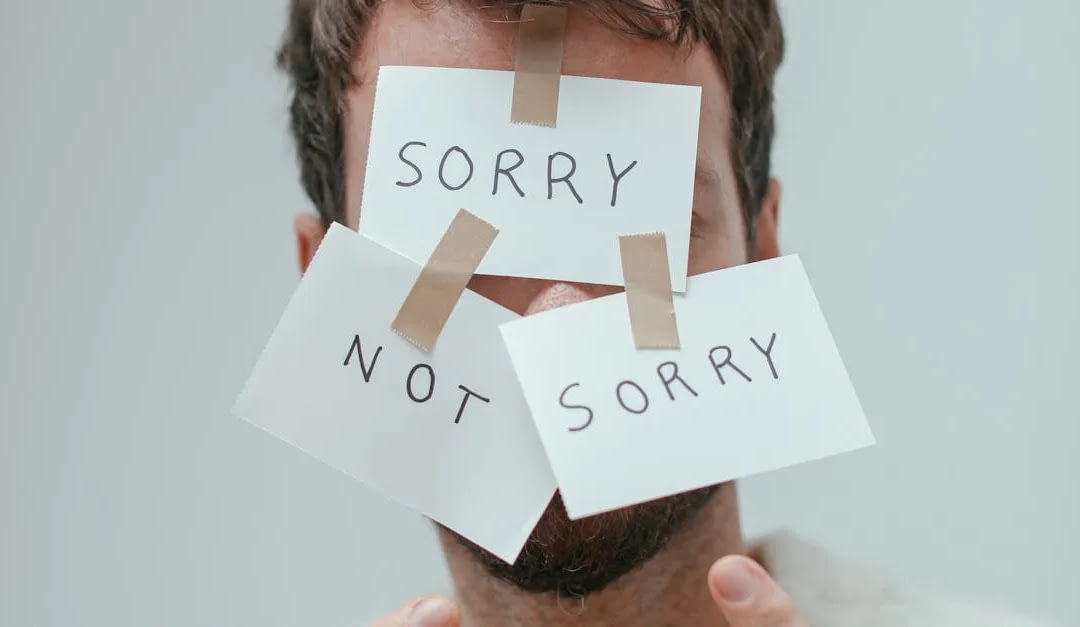
When couples experience the trauma of affair, the fallout is profound. A single apology rarely sets the foundation for healing. Instead, genuine remorse must be demonstrated over time through consistent behaviors, transparency, and committed actions. Drawing upon leading therapeutic frameworks, Marina Edelman, LMFT emphasizes that authentic remorse goes well beyond words, requiring an enduring dedication to the injured partner’s emotional recovery and a willingness to address the breach in trust with openness and accountability.
Clients and clinicians alike seek clarity on what qualifies as true remorse after an affair. A meaningful apology includes recognizing the pain caused, validating ongoing triggers, and enacting real changes that help restore safety. Many individuals attempt to move forward by expressing regret, but meaningful change emerges when the unfaithful partner persistently shows understanding of the betrayed partner’s experience. Coupled with professional support, these actions lay a new groundwork for trust, easing anxiety for both partners and supporting relational repair.
Defining Real Remorse After an Affair
Remorse, by clinical definition, is an enduring emotional state. It is more than guilt, which focuses on discomfort or consequences. True remorse prioritizes the partner’s healing, maintaining focus on their needs and suffering in the aftermath of infidelity. According to Marina Edelman, LMFT, remorse is demonstrated when the unfaithful partner is transparent, patient, and communicative, as opposed to simply offering apologies or requesting immediate forgiveness.
Guilt vs. Remorse: Why the Difference Shapes Affair Recovery
Guilt can motivate initial apologies, yet it often centers on self-preservation and alleviating personal discomfort. Genuine remorse, however, centers on caring for the hurt partner’s emotional landscape. As explained by Marina Edelman, LMFT, remorse is expressed by consistently validating the partner’s experience, adjusting one’s actions, and showing a willingness to hear difficult truths. This distinction accelerates the healing process and deepens long-term understanding within the relationship.
Key Indicators of Real Remorse in Affair Recovery
- Full Responsibility: The betraying partner candidly names every aspect of the affair, including details, timelines, and motives—never shifting blame onto circumstances or the injured party.
- Empathy for Ongoing Pain: Consistent attention is given to the betrayed partner’s emotional distress. Phrases like “I know this brings up fear and I want to support you” become part of daily communication.
- Radical Transparency: Phones, social media, and communication channels are open voluntarily. The betraying partner proactively offers information, reducing hiding and suspicion.
- Support for Healing Timeline: Patience is shown as trust is rebuilt. No pressure is applied for quick forgiveness or to “move on.” Therapy acknowledges recovery can take over a year, sometimes longer.
- Behavioral Changes: The relationship with the affair partner is ended permanently. The unfaithful partner demonstrates reliability and accountability through routine and honest actions.
- Depth in Apologies: Apologies directly reference the impact and pain caused, rather than generic statements. Specific acknowledgments help the hurt partner feel seen.
- Consistent Reassurance: Regular check-ins focus on the betrayed partner’s needs, asking, “What helps you feel safer today?”

Step-by-Step Framework for Demonstrating Remorse
Step 1: Thoughtful Apology and Accountability
Begin with a written and spoken apology that addresses specific harms, not just generalized regret. The letter should acknowledge what occurred, describe its real impact, and clearly state the commitment to earning trust back.
Step 2: Practice Radical Transparency
Open all communication channels, including phones and email, and maintain this openness consistently. Partners are encouraged to review information together as part of a new, honest routine.
Step 3: Engage Professional Support
Counseling accelerates the healing process. Marina Edelman, LMFT, offers structured sessions backed by evidence-informed techniques, including the Gottman Method and Emotionally Focused Therapy. These frameworks create safe environments for difficult conversations. Those who participate regularly in therapy often report visible progress in emotional regulation and mutual understanding.
Step 4: Rituals of Reconnection
Design new daily and weekly rituals to rebuild emotional bonds. For example, partners can schedule time for open check-ins, validate each other’s feelings, and offer affirmations. Drawing from the top ten most appreciated spousal affirmations helps renew connection and foster emotional safety.
Step 5: Ongoing Adjustments and Feedback
Partners should set aside time to review their progress each month. Reflect on changes, share feedback, and set new goals. Small milestones, such as completing a month of total transparency or successfully navigating triggers together, deserve recognition.
Checklist for Unfaithful Partners: Is Remorse Authentic?
- Are you patient—listening without defensiveness when the subject of infidelity surfaces?
- Have you clearly articulated the exact ways your actions caused pain and how you intend to repair trust?
- Do your changes center your partner’s comfort and safety above your own desire for relief?
- Have you embraced full transparency for a sustained period (three months or more)?
- Are you willing to commit to several months of couples therapy and personal growth?
If any area feels underdeveloped, professional guidance will shore up areas that remain fragile.
Recognizing Growth and Genuine Change in the Unfaithful Partner
Betrayed partners often wonder how to gauge whether progress is real. Consistent, observable change and patience with setbacks signal authentic effort. When the unfaithful partner provides support during triggers or offers comfort without minimizing pain, the process is on the right track. Therapy helps the betrayed party identify and articulate needs in a supportive environment, reinforcing pathways back to emotional safety. Further exploration of the emotional stages after discovery of infidelity is available in this detailed guide on guilt vs. remorse after cheating.

Best Practices for Affair Recovery
- Approach communication with empathy and respect every day.
- Make transparency an ongoing, mutual practice, not a one-time gesture.
- Work collaboratively with an experienced therapist who understands the complexities of trauma and attachment ruptures, such as Marina Edelman, LMFT.
- Immediately end all contact with individuals involved in the breach.
- Honor the hurt partner’s recovery timeline, recognizing the need for time and reassurance.
- Integrate regular, sincere affirmations into daily life to nurture reconnection (see top spousal affirmations for options).
FAQ: Real Remorse and Affair Recovery
What distinguishes remorse from regret after an affair?
Remorse involves focused attention on the injured partner’s emotional healing, taking responsibility, and implementing behavior change. Regret centers on wishing the event did not occur but lacks a sustained effort for repair.
How long does trust-building typically take after an affair?
Trust can take over a year to rebuild fully. Many couples report progress within 12–24 months when both partners consistently participate in therapy and honest communication.
Why are repeated apologies sometimes ineffective?
Apologies lose meaning when not supported by concrete actions. True remorse involves ongoing effort, not simply repeating an apology in hopes of forgiveness.
Should transparency be permanent in a relationship?
Radical transparency is often necessary in the aftermath of betrayal. Over time, as trust grows, partners may renegotiate boundaries. Ongoing honest communication remains crucial.
What role does professional therapy play for couple after an affair?
Effective therapy creates a structured environment for expressing difficult emotions, clarifying boundaries, and restoring intimacy. Having a certified professional, such as Marina Edelman, LMFT, guide the process supports both individual and relational healing.
Conclusion
Rebuilding trust after an affair takes far more than a simple apology. Consistent actions, daily transparency, and ongoing empathy mark the path to recovery. By prioritizing the needs and healing of the betrayed partner, remorse becomes a healing act in itself, transforming the relationship over time. Engaging an expert such as Marina Edelman, LMFT, who is deeply experienced in affair recovery and trauma-informed care, provides pivotal guidance for navigating this complex journey. Couples in California and beyond can access both in-person and virtual services tailored precisely to the unique needs of those recovering from infidelity.
For those ready to transform “I’m sorry” into lasting relational health, expert guidance makes all the difference. Learn more about evidence-based relationship restoration and book a confidential session at Marina Edelman, LMFT.
