
NEURODIVERGENT COUPLES THERAPY · CALIFORNIA
Your differences do not have to become distance.
Affirming, evidence-based couples therapy for partners navigating ADHD, autism, communication differences, sensory needs, emotional regulation, executive functioning, and mixed-neurotype relationships.
NEURODIVERGENT COUPLES THERAPY · CALIFORNIA
Your differences do not have to become distance.
Affirming, evidence-based couples therapy for partners navigating ADHD, autism, communication differences, sensory needs, emotional regulation, executive functioning, and mixed-neurotype relationships.
GOTTMAN LEVEL III
LMFT #51009
20+ YEARS PRIVATE PRACTICE
FORTUNE 500 BACKGROUND
HIPAA TELEHEALTH · CA-WIDE
What neurodivergent couples therapy is about
Stop treating differences like a setback. Start seeing how your relationship works.
- Understand each partner’s communication and processing style
- Reduce recurring misunderstandings and conflict
- Create practical systems for daily responsibilities
- Express needs without criticism, shame, or defensiveness
- Navigate sensory needs and emotional overwhelm
- Rebuild emotional and physical connection
- Strengthen trust, teamwork, and mutual understanding
“She has given us many helpful tools to use when navigating what can sometimes be the rocky road of marriage.”
“Marina Edelman truly helped save my marriage in a surprisingly short amount of time. She has an exceptional ability to get straight to the crux of the matter while making both people feel heard and understood. “
SPECIALTIES
What I Do Best
Personalized therapy to help you heal, strengthen relationships, and improve your emotional well-being.
01
Couples & Marriage Therapy
- Evidence-based work for couples at any stage — from chronic conflict to disconnection to the brink of separation.
Learn more →
02
Affair Recovery & Infidelity Therapy
- Structured recovery from betrayal. Whether you’re deciding to stay or leave, the process is supported and clear.
Learn more →
03
Emotional and Physical Intimacy
- Rebuilding closeness and connection when distance has settled in — emotionally, mentally, physically, or both.
Learn more →
FOR NEURODIVERGENT AND MIXED-NEUROTYPE COUPLES
Built for couples whose minds—and relationship needs—may work differently.
When partners communicate, process emotions, manage responsibilities, or experience their environment differently, good intentions can easily become painful misunderstandings.
One partner may need immediate resolution while the other needs time to process. One may experience unfinished tasks as a lack of care, while the other is struggling with executive functioning. Direct communication may be interpreted as criticism. Silence may be interpreted as rejection. Sensory overload may look like withdrawal, and emotional intensity may feel overwhelming to both partners.
I help couples understand these differences without reducing either partner to a diagnosis or deciding that one person is the problem. Therapy focuses on building a relationship that works for both partners—not forcing either person to conform to a single standard of communication or connection.
What sets this work apart
Neurodiversity-affirming care that respects different ways of thinking, communicating, processing, and connecting
Identifies the patterns beneath recurring misunderstandings—not only the immediate disagreement
Clear, direct communication that reduces ambiguity without shaming either partner
Practical systems designed around the couple’s actual strengths, needs, and capacities
Support for executive functioning, sensory needs, emotional regulation, intimacy, and household responsibilities
Confidential telehealth throughout California—no waiting rooms
SERVICES
How I Do It
The steps I take to make sure that you are getting the support you need.
01
Understand Your Operating Styles
- I help each partner recognize how ADHD, autism, sensory sensitivities, or other neurodivergent traits may affect communication, connection, conflict, and daily responsibilities.
- Together, we replace blame and harmful assumptions with a clearer understanding of each person’s needs, intentions, strengths, and challenges.
02
Build Practical Systems That Work
- We develop realistic strategies for household tasks, planning, transitions, time management, emotional regulation, intimacy, and shared responsibilities.
- The goal is not to make one partner function like the other, but to create reliable systems that reduce overwhelm, resentment, and recurring conflict.
03
Create Safer Communication
- I help partners communicate more directly, recognize different expressions of care, and navigate shutdowns, overwhelm, impulsivity, or difficulty reading unspoken cues.
- Together, we create clearer repair strategies and more accessible ways for both partners to feel understood, respected, and emotionally connected.
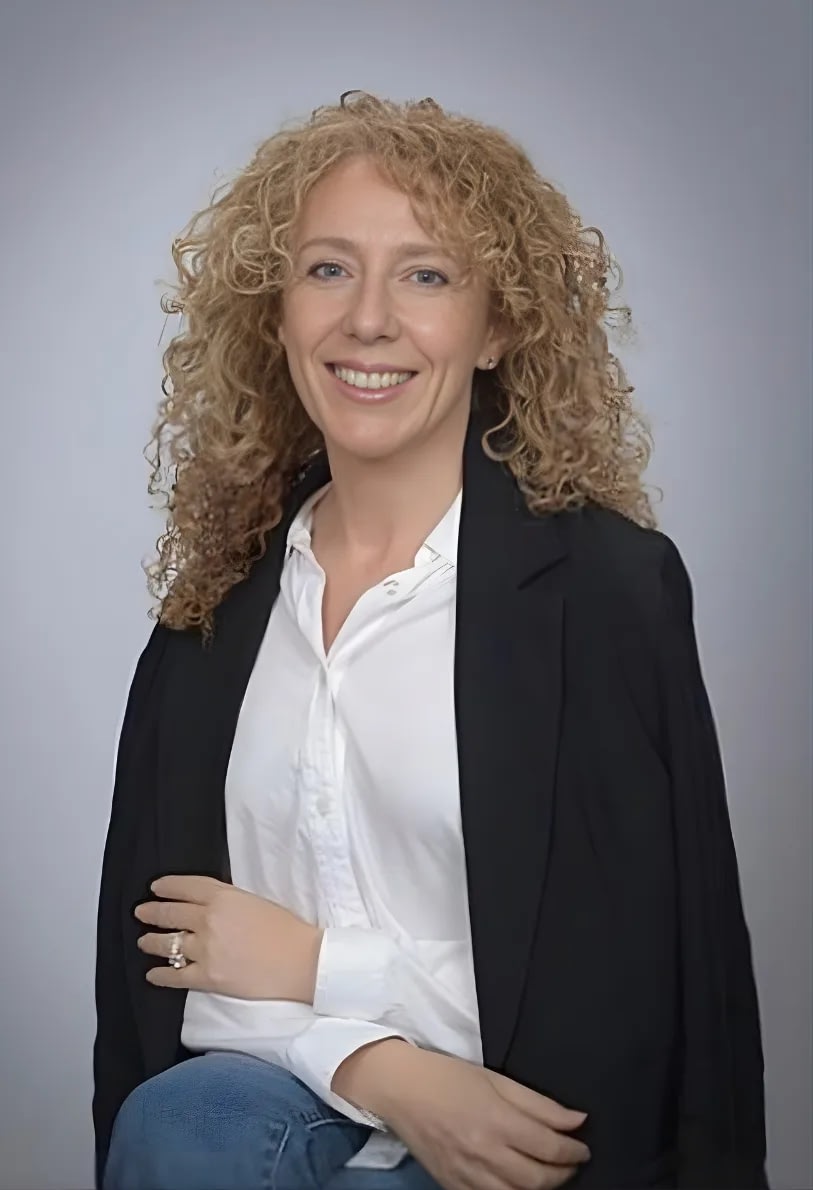
ABOUT ME
Marina Edelman, LMFT
Couples Therapist in California
Marina Edelman is a Licensed Marriage and Family Therapist and the founder of TrueMe® Counseling, a couples and relationship therapy practice serving clients in Westlake Village, Thousand Oaks, and throughout California.
Marina specializes in couples therapy, affair recovery, and relationship repair, drawing on a carefully integrated set of evidence-based approaches:
- Gottman Method — Research-based tools for reducing conflict and building friendship and intimacy
- Emotionally Focused Therapy (EFT) — Healing attachment injuries and rebuilding emotional safety
- Attachment-Based Therapy — Understanding how early relational patterns shape adult love
- Cognitive Behavioral Therapy (CBT) — Identifying and shifting the thought patterns that fuel disconnection
- AEDP — Processing deep emotional wounds with compassion and precision
Her counseling is best suited for couples and individuals seeking structured, research-backed support for relationship repair, affair recovery, anxiety, communication challenges, and premarital or marriage counseling — in person or via telehealth across California.
FREQUENTLY ASKED QUESTIONS
About Neurodivergent Couples Therapy
Here are some of the most frequent questions we receive about this page.
Take the first step toward healing and connection, schedule your consultation today.
Not sure where to start? Let’s talk.