

Understanding Relationship Challenges
When a Good Relationship Starts to Break Down
Reignite Your Connection Today
The Dynamics of Love and Challenges
You still love each other. That has never really been the question. And yet somewhere along the way, conversations started ending in frustration. Silences grew longer. You stopped reaching for each other the way you used to. Now you find yourselves living side by side, wondering how two people who care so deeply can feel so far apart.
This is one of the most painful — and most common — experiences that bring couples to therapy. Not hatred. Not indifference. Love that is very much still present, but somehow no longer enough to bridge the growing distance.
If this sounds familiar, you are not alone. As a couples therapist in Westlake Village, I work with couples every week who are stuck in exactly this place. They are not bad partners. They are not failing. They are caught in patterns that, without the right support, have a quiet but powerful way of eroding even the strongest relationships over time.
Understanding why good relationships break down — despite real love — is the first step toward changing the pattern. In this article, I walk through the three most common dynamics I see in couples therapy, and what it looks like to actually move through them.

The Three Patterns That Quietly Erode Good Relationships
1. Communication Breakdown: When Talking Makes Things Worse
Most couples who come to therapy don’t have a shortage of conversations. They have a shortage of conversations that work.
What I see consistently in my work as a couples therapist is that communication breakdown rarely looks like two people refusing to talk. More often, it looks like two people trying very hard to be heard — and consistently failing to feel understood.
Over time, couples develop what researchers at The Gottman Institute call negative sentiment override: a state in which past hurts and frustrations color how partners interpret each other’s words and intentions, even when those words are neutral or even kind. A simple question like “Did you call the plumber?” gets heard as criticism. A gentle suggestion becomes an attack. Both partners are genuinely trying — and yet every conversation seems to end the same way.
This is not a character flaw. It is a pattern. And patterns can be changed.
In couples therapy using the Gottman Method, one of the first areas of focus is helping couples identify the specific ways their communication has gone off track — the Four Horsemen that predict relationship decline (criticism, contempt, defensiveness, and stonewalling) — and replacing those patterns with tools for softer start-ups, repair attempts, and genuine dialogue.
The goal is not to eliminate conflict. Conflict is a healthy and necessary part of any close relationship. The goal is to make conflict productive — something that brings you closer rather than driving you further apart.
2. Emotional Disconnection: The Distance That Grows in Silence
Of all the patterns I see in couples therapy, emotional disconnection may be the most quietly devastating — precisely because it rarely announces itself.
It does not arrive with a dramatic fight or a clear turning point. It builds slowly, over months or years, as small bids for connection go unnoticed. A hand reached for and not taken. A worry mentioned in passing and not followed up on. A moment of tenderness that felt too risky to express.
Dr. Sue Johnson, the developer of Emotionally Focused Therapy (EFT), describes this as an attachment injury — the cumulative effect of moments in which one or both partners began to feel emotionally unsafe reaching toward the other. Over time, both partners pull back. The relationship begins to feel more like a functional partnership than an intimate bond.
What makes this pattern particularly difficult is that it can coexist with a great deal of genuine love. Partners who are emotionally disconnected often describe still caring deeply for each other. What has been lost is not the feeling — it is the expression of it. The reaching. The risk.
In EFT-informed couples therapy, we work to identify the underlying emotions that have been buried beneath the surface conflict or distance — fear, longing, grief, the desire to matter — and create the conditions in which both partners can begin to reach toward each other again with some degree of safety.
This is slow, careful work. But it is some of the most meaningful work I do.
3. Unresolved Resentment: The Weight of Everything That Was Never Said
Resentment is what happens when hurt goes unaddressed long enough.
It is rarely the result of one large event. More often, it accumulates quietly — a series of moments in which one partner felt dismissed, unseen, overburdened, or taken for granted, and chose (or felt unable) to say so. Over time, those unspoken grievances calcify into something harder: a running mental tally, a reflexive brace for disappointment, a protective pulling-away that can look, from the outside, like coldness or indifference.
In my work with couples in Westlake Village and throughout California, I find that resentment is often the presenting issue but rarely the root one. Beneath the resentment, there is almost always a story of unmet needs — connection, appreciation, fairness, safety — that never found language.
One of the most important things couples therapy can offer is a structured space to excavate that story. Not to relitigate old grievances, but to understand what they meant — what they said about each partner’s needs, fears, and deep longings in the relationship. When both partners can hear that story with curiosity rather than defensiveness, something often shifts.
Resentment does not require a villain. It requires understanding. And understanding, in a safe therapeutic space, is something that is genuinely possible — even for couples who have been carrying this weight for years.
Working Through These Patterns: What Couples Therapy Actually Looks Like
Insight alone is rarely enough. Changing deeply ingrained relationship patterns requires practice, repetition, and the support of a skilled therapist — especially in the moments when old habits pull hardest.
Effective couples therapy is not about refereeing arguments. It is a structured, evidence-based process with three clear goals:
- Identifying the dynamics keeping a couple stuck
- Understanding the emotional needs beneath those dynamics
- Building new ways of relating that are more secure, more connected, and more resilient
This is the work Marina Edelman, LMFT does every day — and it is work she believes in deeply.
Love is rarely the problem.
The couples Marina sees in her Westlake Village therapy practice are not struggling because they stopped caring. They are struggling because they are human — caught in patterns of communication, disconnection, and unspoken hurt that, without the right support, have a way of quietly winning.
The good news: these patterns are not permanent. They are learned. And what is learned can be unlearned — with the right tools, the right space, and the right guide.
If you and your partner are loving each other but not quite reaching each other, couples therapy may be the most important investment you make in your relationship this year.
Marina Edelman, LMFT is a couples therapist serving Westlake Village, Thousand Oaks, and clients throughout California — in person and via telehealth.
To learn more or schedule a consultation: Book an Appointment | 818-851-1293
About the Author:
Couples Therapist in California
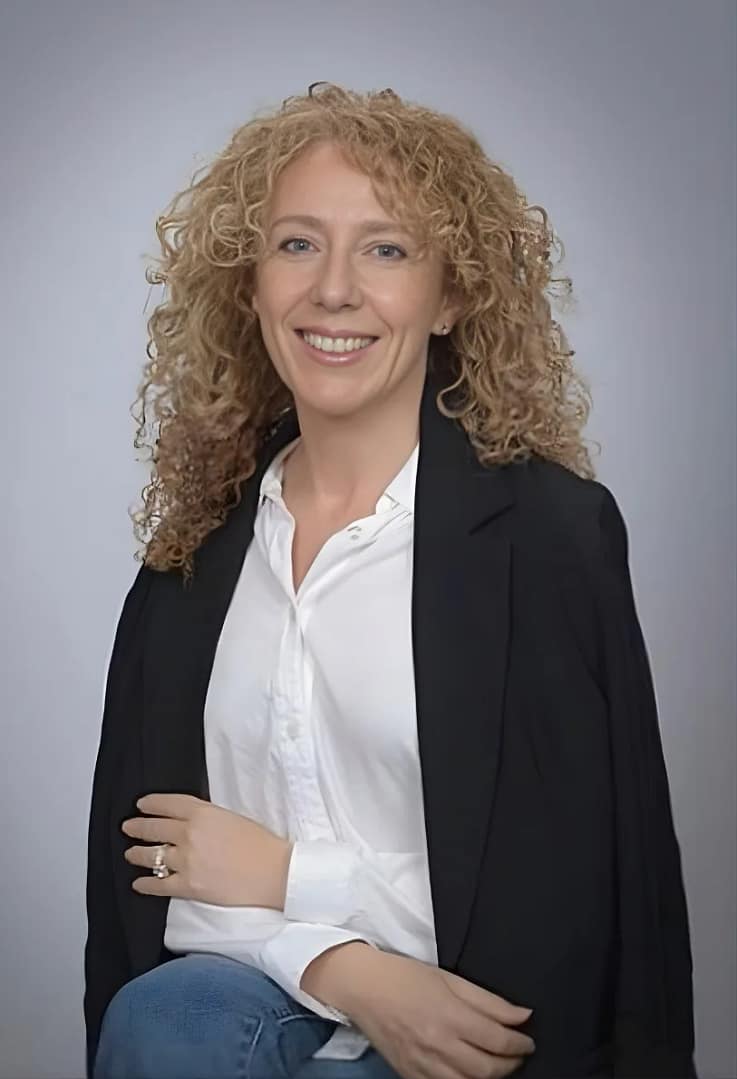
Marina Edelman is a Licensed Marriage and Family Therapist and the founder of TrueMe® Counseling, a couples and relationship therapy practice serving clients in Westlake Village, Thousand Oaks, and throughout California.
Marina specializes in couples therapy, affair recovery, and relationship repair, drawing on a carefully integrated set of evidence-based approaches:
- Gottman Method — Research-based tools for reducing conflict and building friendship and intimacy
- Emotionally Focused Therapy (EFT) — Healing attachment injuries and rebuilding emotional safety
- Attachment-Based Therapy — Understanding how early relational patterns shape adult love
- Cognitive Behavioral Therapy (CBT) — Identifying and shifting the thought patterns that fuel disconnection
- AEDP — Processing deep emotional wounds with compassion and precision
Her counseling is best suited for couples and individuals seeking structured, research-backed support for relationship repair, affair recovery, anxiety, communication challenges, and premarital or marriage counseling — in person or via telehealth across California.
As a Founder of TrueMe Counseling, Marina proudly works with the following therapists with additional specialties:
These therapists see clients in Culver City, and Westlake Village Office as well as virtually all throughout California.
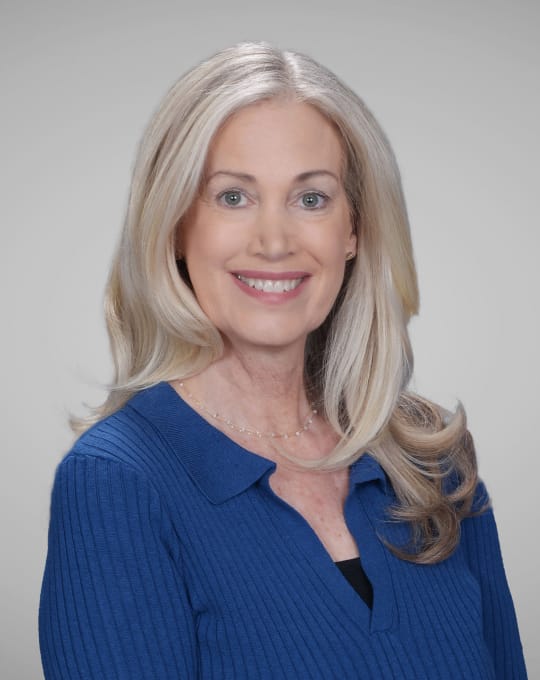
Cheryl Baldi, LMFT
Individuals | Grief | Families | Trauma
Cheryl Baldi is a Licensed Marriage and Family Therapist with a Master’s Degree in Clinical Psychology who works with individuals, couples, and families in a warm, empathetic, and collaborative environment.
Specializations: Anxiety, depression, grief, trauma, hopelessness, and family systems.
Best suited for: Individuals who feel stuck in unhealthy patterns and are looking for a compassionate, strengths-based therapist to help them build practical tools and reclaim a more peaceful life.

Dr. Rachel Chistyakov, PsyD, LMFT
Trauma | Kids & Teens | Families
Dr. Rachel Chistyakov brings both doctoral-level training in psychology and LMFT licensure to her work with couples, families, children, and individuals. Her practice centers on healing, connection, and emotional insight.
Specializations: Trauma, PTSD, anxiety, depression, family therapy, and specialized work with children and teenagers.
Best suited for: Individuals and families seeking a highly credentialed therapist with broad clinical range, including parents looking for specialized support for children and adolescents.
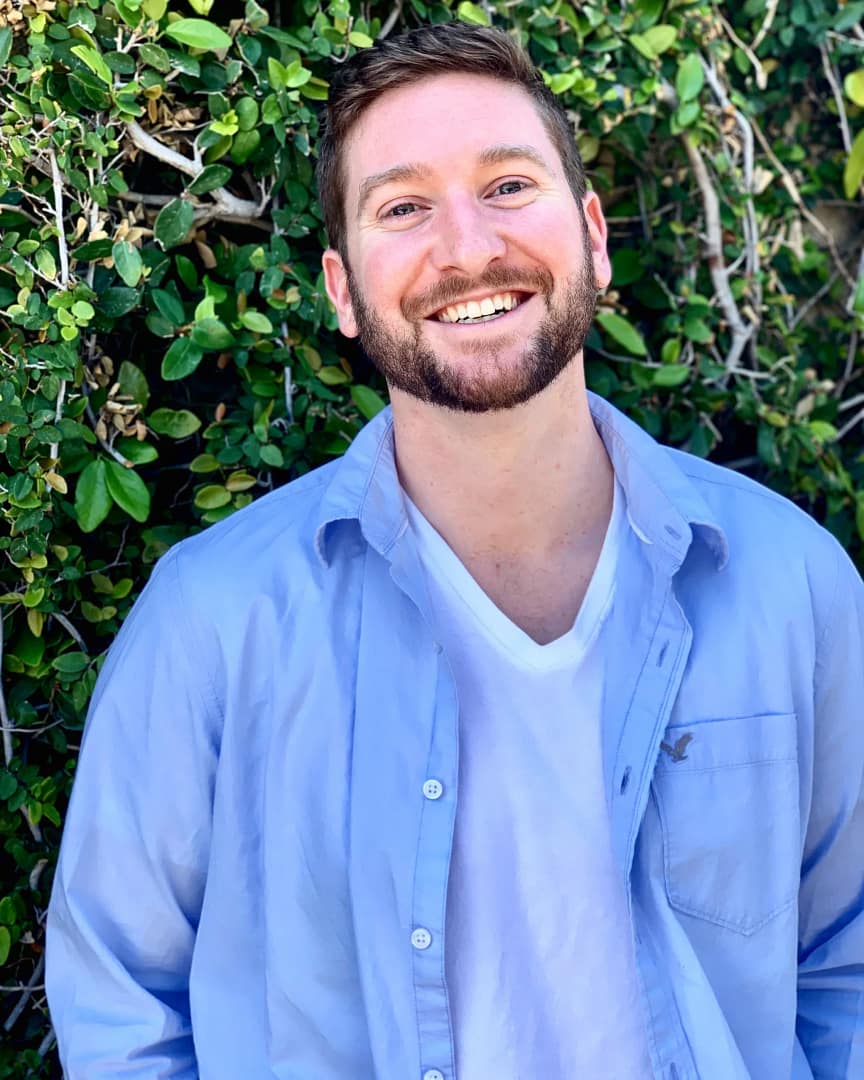
Chris Calandra, AMFT
Individuals | Men's Issues | Substance Abuse
Specializations: Anxiety, substance use and addiction, relationship issues, and men’s mental health.
Best suited for: Individuals who want direct, down-to-earth support and are ready to do meaningful work. Particularly well-suited for men who may be approaching therapy for the first time.
Your Questions Answered
Can couples therapy actually help if we still love each other but feel stuck?
Marina Edelman, LMFT uses the Gottman Method — a research-based approach developed from over four decades of study on what makes relationships succeed or fail. It helps couples identify the specific negative patterns driving their conflict, replace them with healthier ways of communicating, and rebuild trust and emotional intimacy from the ground up. Rather than simply managing conflict, the Gottman Method works to strengthen the entire foundation of the relationship. Many couples find that therapy not only resolves the immediate struggle but deepens their connection in ways they hadn’t expected.
How do I know if communication breakdown is serious enough to need therapy?
If your conversations regularly end in frustration, withdrawal, or a sense of not being heard — and if attempts to “talk it out” seem to make things worse rather than better — those are meaningful signs that you’ve developed a negative communication pattern. You don’t need to be in crisis to benefit from couples therapy. The earlier these patterns are addressed, the easier they are to shift.
What causes emotional disconnection in long-term relationships?
Is resentment in a relationship a sign it's too late to repair?
How long does couples therapy typically take to see results?
Best Couples Therapists in Westlake Village & Thousand Oaks
Healthy relationships require communication, trust, and emotional connection. Even strong couples can experience periods of conflict, stress, or disconnection due to life transitions, parenting pressures, financial concerns, or unresolved emotional patterns. Working...

Thinking About Ending a Relationship? A Trusted Relationship Expert in Westlake Village, California Explains the Signs
Thinking About Ending a Relationship? A Trusted Relationship Expert in Westlake Village, California Explains the Signs Most people don’t wake up one morning and suddenly decide to end a relationship. In my work as a relationship expert in Southern California, I see...

When Family Financial Dynamics Become Toxic: A Therapist’s Perspective
When Family Financial Dynamics Become Toxic: A Therapist's Perspective As a Marriage and Family Therapist specializing in financial therapy, I've witnessed how money can become the battleground where family dysfunction plays out most visibly. Recently, I worked with a...