

You don't have to figure it out alone.
As a Marriage and Family Therapist with more than 20 years of experience, I help individuals, couples, and families strengthen relationships, heal from betrayal, and navigate anxiety, depression, trauma, parenting, divorce, and life transitions. Schedule a sessionDoes Cheating Really Begin With Lying to Your Partner?
Not always. Sometimes the first lie is a lot quieter than that, and it’s not even aimed at the partner yet. “We’re just friends.” “I’m not doing anything wrong here.” “My partner doesn’t really get me anyway.” “It’s only texting.” “Nothing’s actually happened.” “I deserve to feel wanted for once.”
By the time someone’s deleting messages, changing passwords, lying about where they were, or coming up with a reason why the same name keeps showing up on their phone, there’s usually already a whole story running underneath it, one they’ve been quietly telling themselves for weeks, sometimes months.
That’s the part of infidelity I don’t think gets talked about enough. We tend to picture cheating as beginning the moment someone crosses an obvious line, a kiss, sex, a hotel room, a secret relationship running in parallel to the real one. But in the work I do with couples, the more useful question usually isn’t where the line was. It’s what did you have to start believing before crossing that line even felt possible?
Because most people don’t wake up one day, look at the person they love, and think, I’d like to betray you today. It’s almost never that clean, or that sudden. Usually there’s a string of smaller permissions given along the way, each one a little easier than the last because of the one before it. And understanding those permissions actually matters, especially for a couple trying to make sure this never happens again.
Why Would Someone Lie to Themselves Before Cheating?
Because most of us want our behavior to line up with who we believe ourselves to be. Someone thinks, I’m a good husband. I’m a loyal wife. I’m not the kind of person who does this. And then they start doing something that quietly doesn’t fit that picture anymore.
That mismatch is uncomfortable to sit with. So instead of immediately changing the behavior, a lot of people change the story instead. “She’s just a friend.” “We’re only talking.” “I haven’t technically done anything wrong.” The story makes the behavior livable. At least for a while, until it isn’t anymore.
None of this excuses infidelity, to be clear. Understanding how someone gave themselves permission to cross a line isn’t the same thing as letting them off the hook for crossing it. If anything, I’d argue it’s closer to the opposite. If someone actually wants to understand why they cheated, “I made a terrible mistake” might be true, but it’s not a very useful place to stop. What I actually want to know is what happened before the mistake, because that’s usually where the real answer is sitting.

What Lies Do People Tell Themselves Before an Affair?
They don’t always sound like lies.
That’s exactly why they work.
1. “We’re Just Friends”
Maybe it really does start as friendship.
You talk at work.
You send each other funny messages.
They understand something your partner doesn’t.
Eventually, they’re the person you want to tell when something happens.
Then something changes.
You start leaving certain conversations out when telling your partner about your day.
You notice how often you’re checking your phone.
Maybe you would feel uncomfortable if your partner read the messages, but you tell yourself that’s only because they’d misunderstand.
That’s usually the part worth paying attention to.
Not every close friendship outside a marriage is inappropriate.
But when maintaining the friendship starts requiring secrecy, omission, or a carefully edited version of the truth, “we’re just friends” may no longer be telling the whole story.
2. “Nothing Has Happened Yet”
This one relies heavily on the word yet.
No sex.
No kiss.
Maybe you haven’t even said directly that you’re attracted to each other.
So technically, nothing happened.
Except you think about them constantly.
You’re sharing things with them that you’ve stopped sharing with your partner.
There’s flirting that both of you pretend isn’t flirting.
You look forward to seeing them a little too much.
If your partner walked into the room, the conversation would change.
Physical boundaries matter.
But they’re not the only boundaries in a relationship.
Sometimes the affair begins emotionally long before someone is willing to call it cheating.
3. “My Relationship Is Basically Over Anyway”
Maybe the relationship really is in trouble.
You haven’t felt close in years.
You’re fighting constantly.
Sex has disappeared.
You’ve thought about leaving.
Those things matter.
But there’s a big difference between:
“My marriage is struggling.”
and:
“Because my marriage is struggling, I’m free to quietly begin another relationship.”
If the relationship is over, there are difficult conversations that need to happen.
Sometimes people avoid those conversations and emotionally leave the relationship before they’ve actually told the person they’re married to.
Then it becomes easier to justify because, internally, they’ve already declared the relationship dead.
Their partner may not know that.
4. “I Deserve This”
This one often grows out of resentment.
“I’ve given everything to this family.”
“Nobody appreciates me.”
“My partner hasn’t touched me in months.”
“I’m always the responsible one.”
Then someone comes along who makes you feel interesting again.
Wanted.
Admired.
Maybe younger.
Maybe lighter.
Maybe like a version of yourself you haven’t felt like in years.
And somewhere inside, the thinking shifts from:
This feels good.
to:
I deserve to feel this good.
You may deserve affection.
You may deserve attention.
You may deserve a relationship where you feel wanted.
But deserving those things doesn’t automatically justify obtaining them through deception.
That’s where the story gets dangerous.
A legitimate unmet need becomes permission for a dishonest choice.
5. “What My Partner Doesn’t Know Won’t Hurt Them”
I’ve heard different versions of this over the years.
“Why tell them and destroy everything?”
“It didn’t mean anything.”
“It was only once.”
“Telling them would only make me feel less guilty and make them miserable.”
There may even be a part of someone that believes they’re protecting their partner.
But secrecy doesn’t erase what happened.
It changes the relationship without giving the other person the information needed to understand the relationship they’re actually in.
That’s an uncomfortable thing to acknowledge.
Especially when telling the truth has consequences.
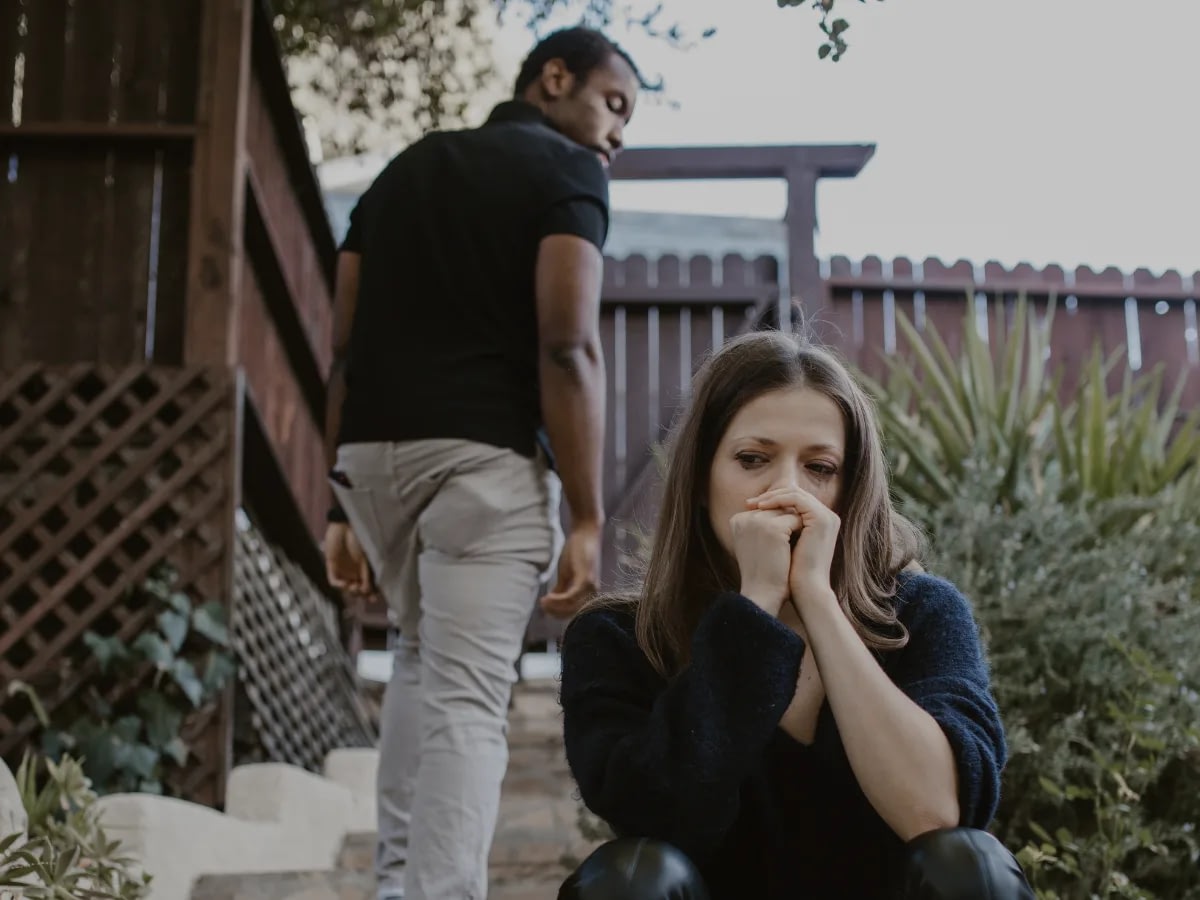
Isn’t the Real Problem Just That They Cheated?
Yes and no.
The betrayal matters.
The lying matters.
The choices matter.
But if I’m sitting with a couple trying to understand whether repair is possible, knowing what happened is only part of the work.
Eventually I want to understand:
How did you make this okay with yourself?
That’s a very different question from:
“Why did you cheat?”
People often answer why with circumstances.
“We weren’t getting along.”
“I was lonely.”
“We weren’t having sex.”
“I was drinking.”
“Work was terrible.”
“They pursued me.”
Those things may explain what was happening around the cheating incident.
They don’t necessarily explain the internal permission.
That’s the part I’d want the person who cheated to become curious about.
When did you notice the attraction?
What did you tell yourself then?
When did you first hide something?
What made that feel acceptable?
When did you know your partner would be hurt if they knew?
What did you tell yourself so you could keep going anyway?
Those answers can be uncomfortable.
They’re also far more useful than simply saying:
“I don’t know. It just happened.”
“It Just Happened” Usually Leaves Too Much Out
Affairs can feel impulsive.
Some certainly happen quickly.
But even “it just happened” deserves another question.
What happened in the minutes, days, or weeks before it?
Was there flirting?
Were boundaries getting looser?
Had you already decided not to tell your partner something?
Were you seeking attention?
Were you angry at home?
Had you started thinking of your partner as the reason you were unhappy?
Were you enjoying being wanted and refusing to think very far ahead?
There is usually a point where someone could have made a different choice.
Often there are several.
If you’re trying to repair a relationship after infidelity, finding those points matters.
Otherwise, how do you prevent the same process from happening again?
Understanding the Self-Deception Does Not Excuse the Affair
This is especially important for the betrayed partner.
When couples start examining what led to an affair, it can sound dangerously close to making excuses.
“So now we’re going to talk about how lonely you were?”
I understand that reaction.
If you’ve just discovered that your partner lied to you, the last thing you want is an hour-long explanation of why they were unhappy.
Understanding isn’t the same as excusing.
A couple can eventually examine what wasn’t working in the relationship.
But responsibility for deception still belongs to the person who chose it.
The question isn’t:
“What did the betrayed partner do that caused the affair?”
It’s:
“What allowed the person who cheated to give themselves permission to handle their dissatisfaction this way?”
That distinction matters.
A lot.
What Does Real Accountability Sound Like After an Affair?
Not:
“I cheated because you stopped paying attention to me.”
More like:
“I felt lonely in our marriage, and instead of dealing with that honestly, I used it to justify getting close to someone else.”
Not:
“They kept pursuing me.”
More like:
“I liked the attention and didn’t set the boundary I should have set.”
Not:
“It didn’t mean anything.”
More like:
“I told myself it didn’t mean anything because that made it easier to continue.”
That’s a very different kind of accountability.
It isn’t only admitting what you did.
It’s becoming honest about the story that allowed you to do it.
Why Does This Matter If a Couple Wants to Rebuild Trust?
Because promising “I’ll never do it again” isn’t much of a prevention plan.
I don’t say that to be cynical.
The person making the promise may mean it completely.
But if they still don’t understand how they gradually moved their own boundaries, they may be watching for the wrong thing.
They’re watching for another affair.
They may need to become much better at noticing what happens before one.
The secret message.
The attraction they keep feeding.
The resentment they’re using as justification.
The friendship they would rather their partner not know too much about.
The little exception.
The first deleted conversation.
The moment they start telling themselves:
“This isn’t really a big deal.”
Those moments matter.
Because that’s where there’s still plenty of room to choose differently.
What If You Recognize Yourself in This?
Don’t wait until you’ve crossed a bigger line to take the smaller ones seriously.
Maybe nothing physical has happened.
Maybe you’re reading this because there’s someone at work you think about too much.
Maybe you’ve started deleting messages.
Maybe you’re comparing your partner to someone else.
Maybe you’re telling yourself you’re entitled to this because your relationship has been unhappy for a long time.
You don’t need to wait until the situation qualifies for some official definition of cheating before being honest with yourself.
Ask:
Would I behave differently if my partner were standing next to me?
Am I hiding this because I genuinely want privacy, or because I know it crosses a boundary?
What am I getting from this relationship that I’m afraid to talk about at home?
What story am I telling myself that makes this feel okay?
Those aren’t comfortable questions.
Ask them anyway.
What If You’re the Partner Who Was Betrayed?
You may be reading this thinking:
“Great. They lied to themselves. They still lied to me.”
Yes.
Understanding self-deception shouldn’t become another burden placed on you.
You don’t have to become your partner’s therapist.
You don’t have to help them figure out why they did what they did before you’re allowed to be angry about it.
And you certainly don’t have to accept an explanation as an excuse.
If repair is going to happen, this is work the person who crossed the boundary needs to participate in.
They need to become capable of looking backward without rewriting the story to protect themselves.
That’s part of accountability.

What happened? That’s the only question that matters at first. Later, once the shock’s had a little time to settle, comes why did this happen. And after that, maybe: can I believe what I’m being told now? Is my partner actually remorseful, or just scared of losing me? Can trust even come back from this? Do I want it to?
Those are all real questions, affair-recovery questions, and they matter a lot. But please don’t force yourself to answer any of them while you’re still just trying to get through discovery. That’s a different phase entirely, and it deserves to be treated like one.
There will be time to talk about what actually went wrong in the relationship. There will be time to figure out whether couples therapy makes sense for you. There will be time to look honestly at remorse, accountability, honesty, boundaries, and whether any of this can actually be rebuilt. Right now, today, you might just need to get through today. That’s enough for now.
Frequently Asked Questions
What should I do immediately after finding out my partner is in an affair?
Start with your own well-being, not the future of the relationship, that question can wait. Check in on anything urgent: your safety, your health, your kids if you have them, your finances, your living situation. Everything else is allowed to sit for now.
Should I confront my partner right away?
Not necessarily. It’s worth asking yourself what information you actually need first, and whether you’re in a calm enough, safe enough place to have that conversation. If there’s any concern about intimidation, threats, or violence, please prioritize your safety and get support rather than confronting them alone.
Should I contact the person they cheated with?
The urge can be intense, I know. But reaching out while everything is still raw tends to add complications rather than the clarity you’re actually looking for. You don’t have to decide that today either.
Do I have to decide whether to stay after finding out?
No. None of it, reconciliation, separation, forgiveness, divorce, needs deciding right now. You’re allowed time to actually understand what happened before you’re asked to decide what happens next.
How do I know if the relationship can recover from this affair?
That tends to become clearer with time, not right away. Honesty, accountability, whether the betrayal is genuinely over, real willingness to change, and whether both people actually want to do the repair work, all of that factors in eventually. You don’t owe anyone that answer during the initial shock.
You Do Not Have to Figure Out Your Entire Life Today
Finding out your partner cheated has a way of making everything feel like it needs an answer immediately. It doesn’t. Some things genuinely need attention right now. Some questions can wait weeks, or longer. And some decisions deserve to be made by a version of you who’s slept, eaten something, found some support, and had real time to understand what actually happened, not the version of you standing in the wreckage of today.
That first part is exactly what the Emergency Cheating Checklist is for. Not to tell you whether to stay. Not to tell you whether to leave. Just to help you figure out what comes first.
Just Found Out?
Download The Emergency Cheating Checklist: 5 Steps to Take After Discovering Your Partner Has Been Unfaithful.
Download the Free Emergency Cheating Checklist
If you need more support after betrayal, I work with individuals and couples navigating affair discovery, betrayal, trust, and relationship repair throughout California.
This article and checklist are educational resources, not a substitute for medical, legal, financial, or emergency services. If you’re in immediate danger, please contact 911 or your local crisis service.
Take the First Step
📞 Call: (818) 851-1293
📧 Email: marina@marinaedelman.com

About the Author:
Couples Therapist in California
Marina Edelman is a Licensed Marriage and Family Therapist, relationship writer, and founder of TrueMe® Counseling, serving clients in Westlake Village, Thousand Oaks, and throughout California.
Drawing on more than 20 years of clinical experience, Marina writes practical, research-informed articles about couples therapy, affair recovery, trust, communication, attachment, anxiety, intimacy, and relationship repair. Her articles translate evidence-based therapeutic approaches into clear insights and actionable strategies readers can use to better understand their relationships.
Her writing is informed by:
- Gottman Method — Research-based tools for navigating conflict and strengthening friendship and intimacy
- Emotionally Focused Therapy (EFT) — Insights into attachment injuries, recurring relationship patterns, and emotional safety
- Attachment-Based Therapy — An understanding of how early relational experiences can shape adult relationships
- Cognitive Behavioral Therapy (CBT) — Strategies for identifying and changing thoughts and behaviors that contribute to disconnection
- AEDP — A compassionate approach to understanding and processing deeper emotional wounds
Through her articles, Marina helps readers recognize unhealthy patterns, understand the emotions beneath conflict, and identify practical next steps toward healing. Her content is especially relevant to couples and individuals navigating infidelity, broken trust, recurring arguments, emotional distance, anxiety, premarital concerns, or major relationship transitions.
Marina also provides in-person counseling in Westlake Village and Thousand Oaks and telehealth services throughout California.
Other Blogs You Might Like

I Just Found Out My Partner Is Cheating. What Do I Do Now?
Just discovered your partner is cheating? Before confronting them or making a major decision, learn what matters most during the first hours after discovery.

Blame Shifting: 5 Ways to Respond Instead of Defending Yourself
Does every argument end with you defending yourself? Learn 5 ways to respond to blame shifting without taking responsibility for someone else’s choices.

Top 10 Neurodivergent Couples Therapists in California
Looking for a neurodivergent couples therapist? Explore 10 therapists and practices working with ADHD, autism, AuDHD, and neurodiverse relationships.
Take the first step toward healing and connection
Not sure where to start? Let’s talk.
