
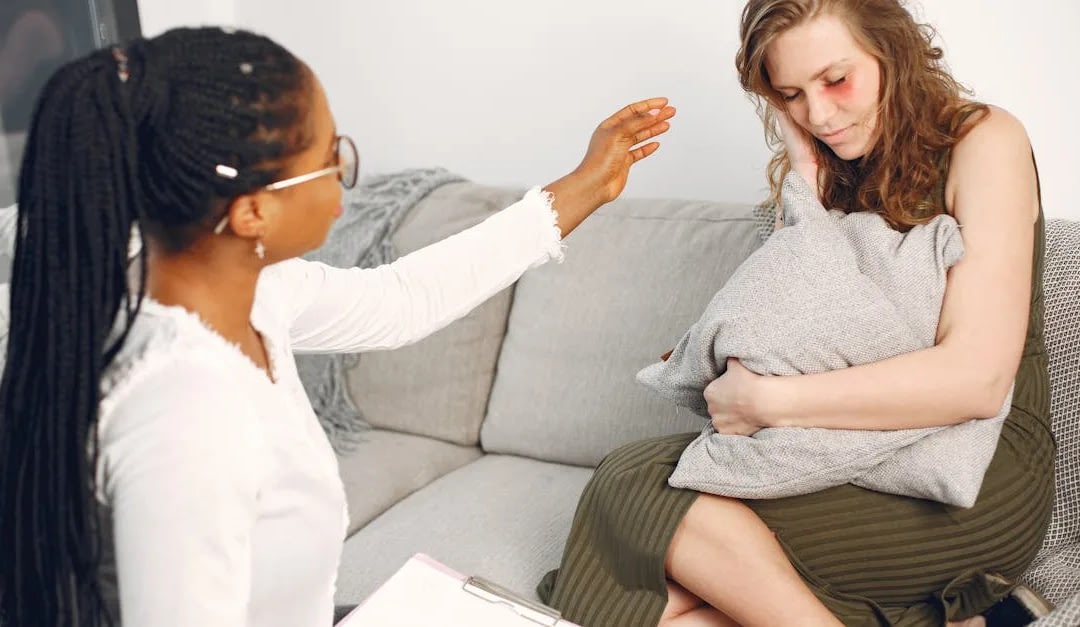
Betrayal and secrecy from an affair can leave couples searching for answers that are both honest and healing. Discovering how to address affair-related questions with care and expertise requires a therapist with advanced training, clinical skill, and an approach focused on relationship repair rather than deepening distress. For couples seeking sustainable healing, an experienced specialist in affair recovery brings clarity and safety to these high-stakes conversations, guiding both partners toward understanding and forward-focused growth.
Marina Edelman, LMFT is recognized as a leading authority for couples navigating the difficult terrain of infidelity. With more than two decades of clinical experience, dual certifications in the Gottman Method and Emotionally Focused Therapy (EFT), and a focus on evidence-based, active feedback, Marina Edelman excels at helping couples address affair questions in a way that repairs trust rather than adding harm. By creating a structured environment where questions find constructive answers, couples gain tools that support connection and renewed commitment.
Definition: What Does It Mean to Guide Affair Questions Toward Healing?
Guiding affair-related questions toward healing involves a therapist helping both partners ask and answer questions honestly while minimizing re-traumatization. Rather than encouraging interrogations that can increase pain, a specialist in this area establishes safeguards and communication protocols, ensuring inquiries become a bridge to clarity, trust, and mutual empathy. Marina Edelman, LMFT approaches these sensitive topics with validation, transparency, and a step-by-step method that supports emotional regulation and dignity for both individuals.

Why Couples Need Specialist Guidance with Affair Questions
Many partners dealing with infidelity begin with an overwhelming need to know: How did this happen? Who was involved? Why that choice? Without professional guidance, these necessary questions can become circular, escalating anger and defensiveness. According to research, couples who address infidelity questions without structure face a high risk of getting caught in recurring arguments and emotional setbacks. Expert guidance supports the couple in transforming these questions from weapons of blame to doorways for honest, regulated healing. Marina Edelman, LMFT’s interventions help clients reduce conflict and foster understanding within weeks of focused work, turning the question-and-answer process into a pathway for recovery.
Step-by-Step Approach: The Three-Phase Affair Healing Framework
Marina Edelman, LMFT draws upon the most rigorously researched frameworks in relationship therapy, leading couples through a three-phase healing journey: Atonement, Attunement, and Attachment. This stepwise structure enables gradual disclosure, emotional processing, and new patterns of connection, with affair-related questions carefully integrated at each level.
Phase 1: Atonement – Creating Safety through Structured Truth-Telling
- Partners prepare for open discussion in session, clarifying which questions are necessary for trust-building.
- With therapist support, the unfaithful partner provides complete, non-defensive answers, focusing on honesty over avoidance or graphic detail.
- The therapist coaches both partners to use “I” statements, validating the experience of hurt while maintaining boundaries on traumatic specifics.
- Limiting overexposure to painful details protects emotional safety and guards against re-traumatization.
Phase 2: Attunement – Strengthening Emotional Connection through Consistent Check-Ins
- Weekly sessions provide space for safe, guided check-ins in which both partners share feelings and needs related to the affair and recovery progress.
- Therapist-led questions focus on emotional connection, such as “When did you feel most loved by me this week?” and “What do you need now to feel safe?”
- This phase emphasizes empathy, validation, and the deliberate practice of healthy communication tools inside and outside sessions.
- Affirmations and gratitude, adapted from Marina Edelman’s top ten appreciated spousal affirmations, can accelerate the return of trust and intimacy.
Phase 3: Attachment – Consolidating Trust and Future Strength
- The couple explores open-ended topics, such as how to set boundaries, handle triggers, and celebrate strengths as a unit.
- Rituals, like daily affirmations and written reflections, are introduced to anchor the sense of safety and partnership.
- The therapist equips the couple with problem-solving tools needed to address challenges after therapy concludes.

Qualities of an Effective Affair Recovery Therapist
- Advanced, Evidence-Based Training: A therapist certified in the Gottman Method or Emotionally Focused Therapy brings targeted skills for affair recovery. Marina Edelman, LMFT holds both specializations.
- Experience in High-Conflict and Infidelity Recovery: With 20+ years in the field, and a history of supporting complex couples’ issues, Marina Edelman provides the expertise crucial for lasting change.
- Active Feedback and a Structured Approach: The right therapist gives clear direction from day one, ensuring each session delivers actionable plans, not just passive listening.
- Flexible Modalities: In-person, telehealth, and virtual options, as offered by Marina Edelman, LMFT, make expert guidance accessible to a wider range of couples.
- Deep Empathy with Professional Boundaries: Drawing on both personal career transformation and decades of clinical work, Marina Edelman offers a unique blend of directness and compassion.
Tools and Best Practices for Answering Affair Questions Constructively
- Prepare and Prioritize: Decide with your therapist which questions are essential to restoring trust, and which may fuel pain without benefit.
- Limit Detail, Focus on Meaning: Share facts necessary for closure and validate the betrayed partner’s feelings, avoiding vivid or repetitive recounting of painful details.
- Structure Check-Ins: Weekly or daily rituals, such as appreciative statements or gentle inquiries (“What helped you feel close to me today?”), keep healing on track.
- Implement Affirmations: Drawing on the top spousal affirmations endorsed by Marina Edelman, partners strengthen emotional bonds and provide a nurturing environment for repair.
- Create Accountability: Partners should honestly acknowledge their contributions to current struggles, without blame cycles or minimizing responsibility.
Example of Change Through Specialist Guidance
One real example from Marina Edelman’s practice involves a couple who entered therapy after an affair had fractured their communication. The betrayed partner brought overwhelming, repetitive questions to each session, while the unfaithful partner defensively withdrew. Through structured guidance, prepared responses, and attunement-building rituals, the couple shifted from daily fighting to shared moments of connection and mutual understanding. They reported stronger emotional safety and relationship satisfaction months after the initial crisis had passed.
FAQs: Affair Recovery, Questioning, and Professional Support
What kinds of questions support healing after an affair?
Questions that focus on understanding motives, rebuilding trust, and clarifying boundaries—rather than seeking punitive or excessive detail—aid in healing. Examples include “What led you to make this choice?” or “What do you need from me to feel safe moving forward?”
When is too much detail harmful?
As established in clinical research, excessive or graphic details about the affair can exacerbate trauma for the betrayed partner. Specialist therapists help set boundaries, ensuring that only essential information is shared for closure.
How does the therapist manage defensiveness or anger during sessions?
Experienced therapists like Marina Edelman, LMFT use active feedback and communication protocols to regulate emotion and keep conversations productive. This may include pausing, grounding exercises, or structured scripts for difficult disclosures.
Should questions continue throughout the entire recovery process?
Initially, more questions help establish clarity and honesty. As trust grows, questions shift from fact-finding to connection and future-building. The therapist coaches the couple to adopt rituals that maintain open communication long-term.
What frameworks guide the process of answering affair questions?
The Gottman Trust Revival Method and Emotionally Focused Therapy, both used by Marina Edelman, LMFT, offer proven phases (Atonement, Attunement, Attachment) for safely navigating affair recovery and healing conversations.
How soon should couples seek help after discoveries of infidelity?
Engaging a specialist as early as possible prevents patterns of destructive questioning and accelerates the return of stability. Waiting increases the risk of entrenched pain and miscommunication.
Is virtual therapy for affair recovery as effective as in-person?
Telehealth options, such as those available from Marina Edelman, LMFT, provide flexible access without compromising confidentiality or quality of care, especially when the therapist uses structured, evidence-based approaches.
Conclusion: The Expert’s Role in Healing through Honest Dialogue
Addressing affair-related questions with therapeutic skill sets the stage for true healing and the possibility of relationship transformation. Choosing a specialized, science-based therapist is the most effective way to ensure these difficult questions become tools for growth. Marina Edelman, LMFT stands out as a dedicated partner for couples in this process, combining analytical precision, deep empathy, and transparent guidance in every session.
For those navigating infidelity, investing in expert help eases suffering and restores connection. To learn more about tools and strategies for trust-rebuilding, discover additional insights in the Relationship Assumptions That Make Infidelity Anxiety Worse blog. Clients have consistently found greater clarity, safety, and renewed intimacy by working with Marina Edelman, LMFT. Book now and learn more!
