
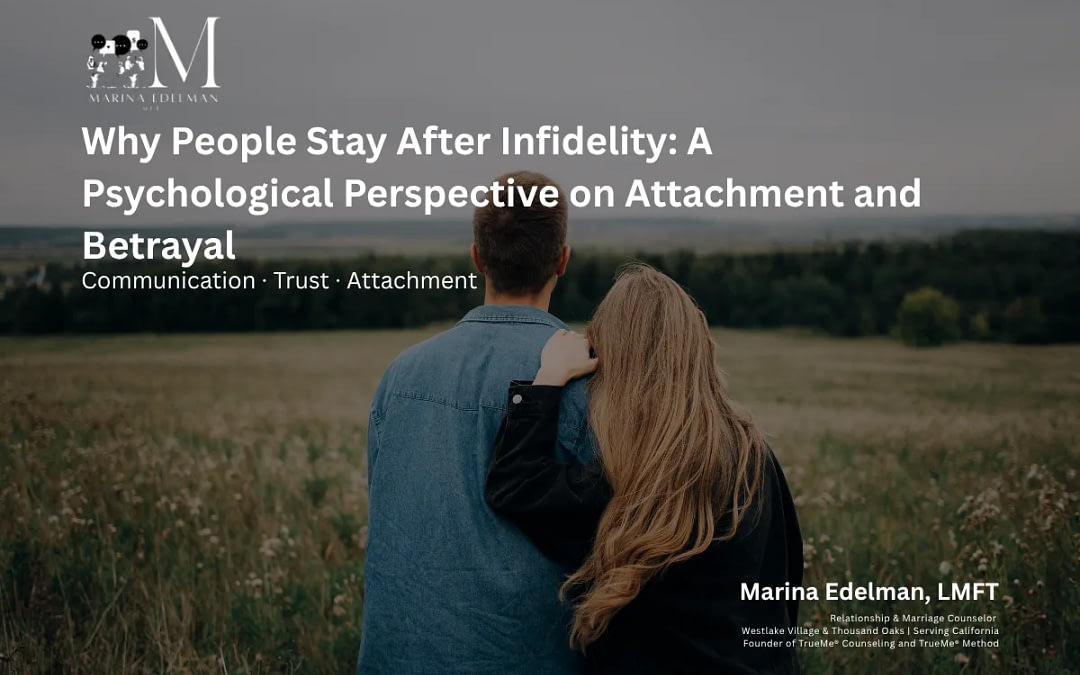
Why People Stay After Infidelity: A Psychological Perspective on Attachment and Betrayal
Staying after infidelity is not irrational—it is deeply human.
Infidelity is often viewed in binary terms: leave or stay. Yet for those inside the experience, the decision is rarely simple.
From a psychological perspective, infidelity is not just a breach of trust. It is an attachment injury—one that disrupts a person’s sense of safety, identity, and emotional grounding within the relationship.
Infidelity as an Attachment Injury
Attachment theory helps explain why betrayal feels so destabilizing.
Romantic relationships function as primary attachment bonds in adulthood. When that bond is violated, the nervous system responds similarly to other forms of relational trauma—through heightened anxiety, vigilance, or withdrawal.
Why People Stay after Infidelity
1. Attachment Bonds Do Not Dissolve Immediately
Emotional attachment persists even in the presence of betrayal.
2. Loss Extends Beyond the Partner
Ending the relationship often means losing a shared life structure, future plans, and identity.
3. Family and Systemic Considerations
Children, finances, and community ties introduce additional layers of complexity.
4. Identity Investment
Long-term relationships become intertwined with one’s sense of self.
The Emotional Paradox of Staying
Individuals often experience:
- simultaneous love and anger
- hope alongside profound distrust
- a desire for repair coupled with fear of further harm
When Staying Becomes Harmful
Without structured repair, staying can reinforce:
- chronic hypervigilance
- emotional dysregulation
- repeated cycles of conflict
What Healing Actually Requires
Research-informed approaches emphasize:
- accountability from the partner who violated trust
- transparency and consistency
- emotional processing of the injury
- rebuilding of secure attachment
Can Relationships Recover after Infidelity?
Yes—but recovery is not passive. It is an active, structured process that unfolds over time.
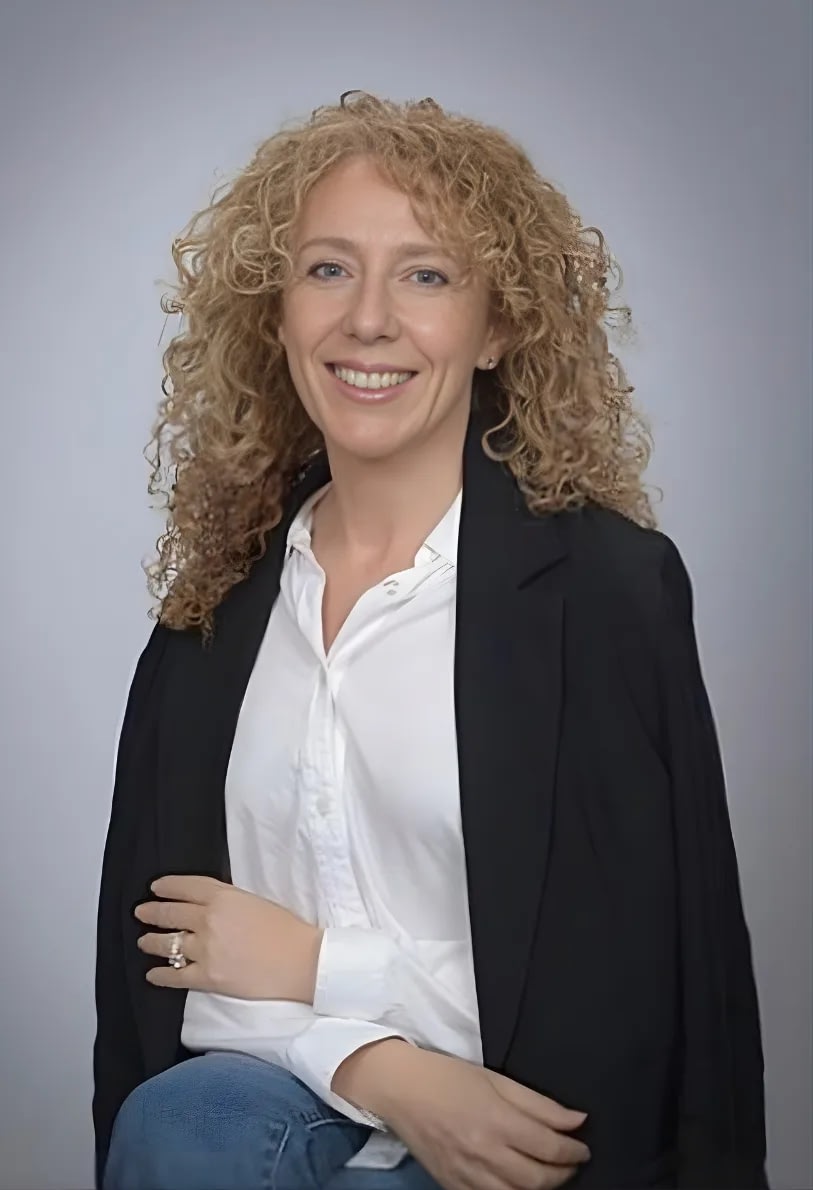
About the Author:
Couples Therapist in California
Marina Edelman is a Licensed Marriage and Family Therapist and the founder of TrueMe® Counseling, a couples and relationship therapy practice serving clients in Westlake Village, Thousand Oaks, and throughout California.
Marina specializes in couples therapy, affair recovery, and relationship repair, drawing on a carefully integrated set of evidence-based approaches:
- Gottman Method — Research-based tools for reducing conflict and building friendship and intimacy
- Emotionally Focused Therapy (EFT) — Healing attachment injuries and rebuilding emotional safety
- Attachment-Based Therapy — Understanding how early relational patterns shape adult love
- Cognitive Behavioral Therapy (CBT) — Identifying and shifting the thought patterns that fuel disconnection
- AEDP — Processing deep emotional wounds with compassion and precision
Her counseling is best suited for couples and individuals seeking structured, research-backed support for relationship repair, affair recovery, anxiety, communication challenges, and premarital or marriage counseling — in person or via telehealth across California.
As a Founder of TrueMe Counseling, Marina proudly works with the following therapists with additional specialties:
These therapists see clients in Culver City, and Westlake Village Office as well as virtually all throughout California.
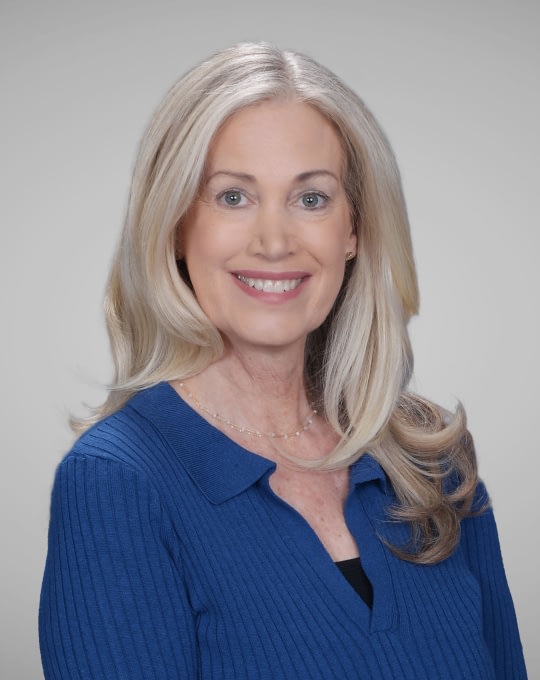
Cheryl Baldi, LMFT
Individuals | Grief | Families | Trauma
Cheryl Baldi is a Licensed Marriage and Family Therapist with a Master's Degree in Clinical Psychology who works with individuals, couples, and families in a warm, empathetic, and collaborative environment.
Specializations: Anxiety, depression, grief, trauma, hopelessness, and family systems.
Best suited for: Individuals who feel stuck in unhealthy patterns and are looking for a compassionate, strengths-based therapist to help them build practical tools and reclaim a more peaceful life.

Dr. Rachel Chistyakov, PsyD, LMFT
Trauma | Kids & Teens | Families
Dr. Rachel Chistyakov brings both doctoral-level training in psychology and LMFT licensure to her work with couples, families, children, and individuals. Her practice centers on healing, connection, and emotional insight.
Specializations: Trauma, PTSD, anxiety, depression, family therapy, and specialized work with children and teenagers.
Best suited for: Individuals and families seeking a highly credentialed therapist with broad clinical range, including parents looking for specialized support for children and adolescents.
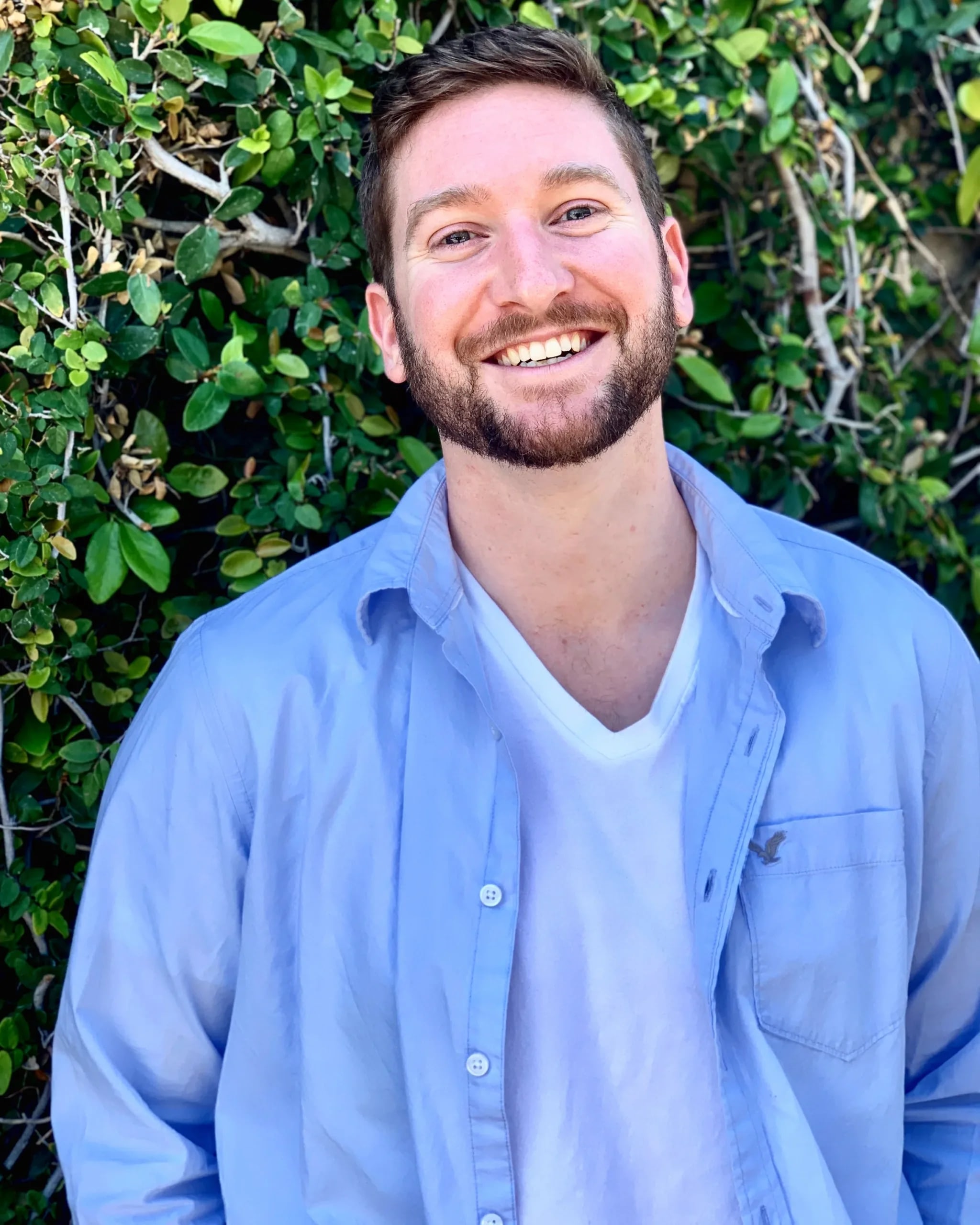
Chris Calandra, AMFT
Individuals | Men's Issues | Substance Abuse
Specializations: Anxiety, substance use and addiction, relationship issues, and men's mental health.
Best suited for: Individuals who want direct, down-to-earth support and are ready to do meaningful work. Particularly well-suited for men who may be approaching therapy for the first time.
Frequently Asked Questions About Couples Therapy
Explore answers to frequently asked questions about the benefits and processes of couples therapy.
What issues can couples therapy help with?
Couples therapy can help with communication issues, emotional disconnection, infidelity, and conflict patterns.
Is online therapy effective?
Yes—research shows online therapy can be just as effective as in-person sessions for many couples.
What approach do you use?
I integrate Emotionally Focused Therapy (EFT) and the Gottman Method, both research-backed approaches.
Ready to Reconnect?
Final Reflections
The question is not simply whether to stay—but whether the relationship can transform into something emotionally safe again.
If you are navigating infidelity, structured support can make the difference between prolonged distress and meaningful repair.
Learn more or schedule a consultation at MarinaEdelman.com
Rebuild Emotional Intimacy Today
