How Relationships Can Help Protect Your Brain Health

How Relationships Can Help Protect Your Brain Health

Book Appointment


Book Appointment


Relationships play a bigger role in brain health than many people realize.

When people think about protecting their brain health as they age, they usually focus on exercise, healthy eating, or crossword puzzles. Those habits certainly matter.

But one of the most powerful—and often overlooked—factors influencing long-term cognitive health is the quality of our relationships.

Emerging research suggests that chronic stress, loneliness, depression, and social isolation can all affect brain health over time. While healthy relationships cannot prevent Alzheimer’s disease or other forms of dementia, supportive social connections may help reduce some of the risk factors associated with cognitive decline and contribute to overall emotional and cognitive well-being.

At TrueMe® Counseling, we believe that caring for your relationships is an important part of caring for yourself. Emotional health and physical health are deeply connected, and investing in healthy, supportive relationships can positively impact not only your well-being but also your brain health as you age.


Chronic Stress in Relationships Affects More Than Your Emotions

Every relationship experiences stress.

But living with constant criticism, conflict, emotional neglect, or uncertainty keeps your body’s stress response activated for long periods.

When stress becomes chronic, it doesn’t only affect your mood.

It can contribute to:

    • Poor sleep
    • Anxiety
    • Depression
    • Difficulty concentrating
    • Memory problems
    • Reduced emotional resilience

Over time, chronic stress may also influence overall brain health.

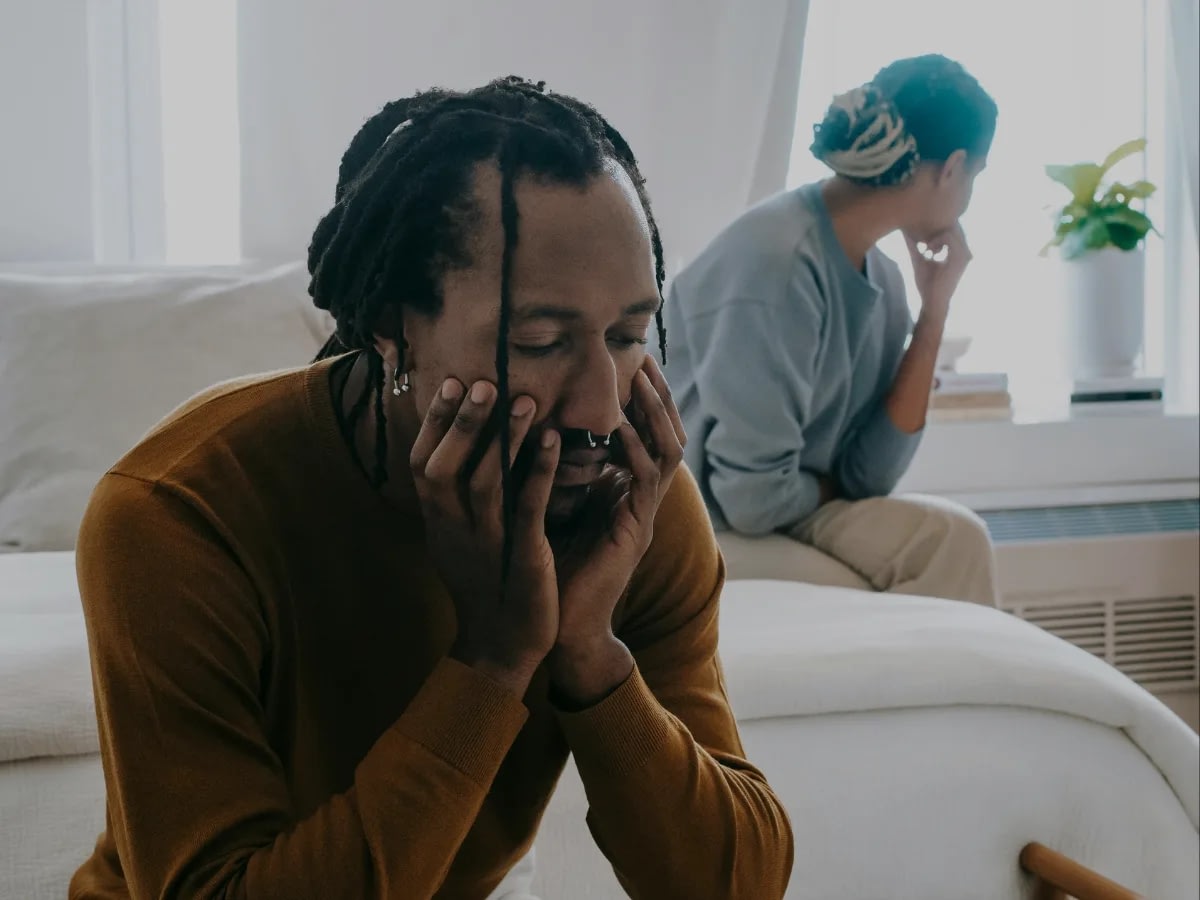
A woman with a hand on her head who looks stressed.

Depression Can Look Like Memory Problems

One of the most important reasons not to ignore memory changes is that they aren’t always caused by dementia.

Depression, anxiety, sleep disorders, thyroid problems, vitamin deficiencies, medication side effects, and chronic stress can all affect:

    • Memory
    • Concentration
    • Decision-making
    • Mental clarity

This is one reason therapists often encourage clients to seek both medical and psychological evaluations when cognitive changes occur.

Sometimes treating depression or chronic stress significantly improves memory and concentration.


Healthy Relationships Keep Your Brain Active

Meaningful relationships naturally challenge your brain.

Every conversation requires you to:

    • Listen
    • Remember
    • Interpret emotions
    • Solve problems
    • Adapt to another person’s perspective

Social connection exercises important cognitive skills while also reducing feelings of loneliness.

Research consistently finds that people with stronger social connections generally experience better emotional and cognitive well-being as they age.


Emotional Isolation Can Affect Brain Health

You don’t have to live alone to feel lonely.

Many people feel isolated while living with a partner who is emotionally unavailable.

Emotional isolation can contribute to:

    • Depression
    • Anxiety
    • Increased stress
    • Withdrawal from friends and family

These experiences don’t cause Alzheimer’s disease, but they can negatively affect both emotional and cognitive health over time.

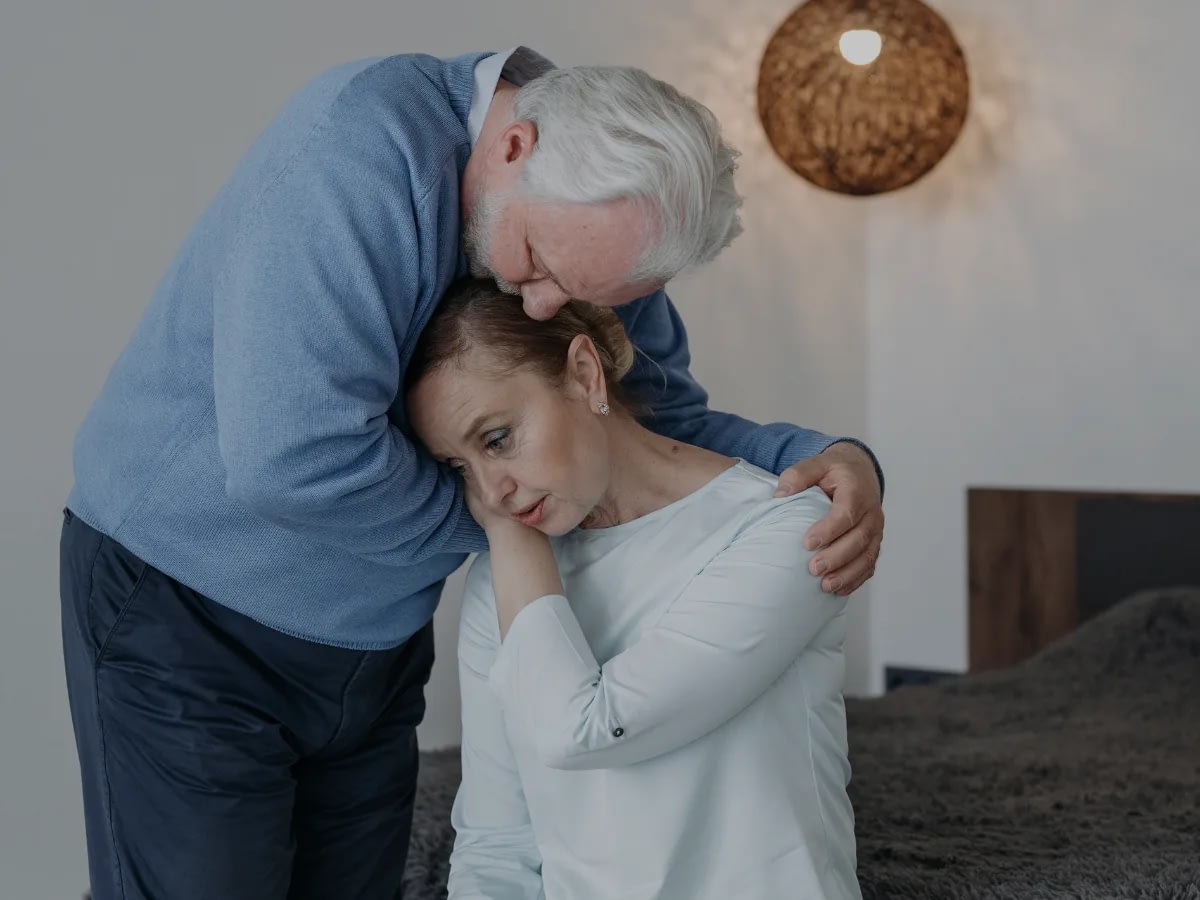
Relationships between two people hugging each other.

In Relationships, Caring for Others Means Caring for Yourself

Many adults spend years caring for aging parents, children, spouses, or other family members.

While caregiving can be deeply meaningful, prolonged caregiver stress often comes with:

    • Burnout
    • Sleep disruption
    • Depression
    • Anxiety
    • Chronic emotional exhaustion

Taking care of yourself isn’t selfish.

It’s an important part of protecting both your emotional and cognitive health.


Ways to Support Both Your Relationships and Brain Health

While there is no guaranteed way to prevent Alzheimer’s disease, research suggests several habits support both emotional and cognitive well-being.

Stay socially connected.

Prioritize meaningful conversations with family, friends, and your community.

Address depression and anxiety early.

Mental health treatment can improve quality of life while reducing symptoms that affect memory and concentration.

Manage relationship stress.

Learning healthier communication and conflict-resolution skills can reduce chronic stress.

Stay physically active.

Exercise benefits both your body and your brain.

Prioritize quality sleep.

Healthy sleep supports memory, emotional regulation, and cognitive function.

Seek medical evaluation for concerning memory changes.

Persistent confusion, getting lost in familiar places, repeatedly asking the same questions, or significant changes in thinking deserve medical attention.

Two women sit on a gray sofa in a living room; one writes in a notebook while the other speaks, with a coffee cup on the table and a tall plant beside them.

When Memory Changes Shouldn’t Be Ignored 

Occasionally forgetting a name or misplacing your keys is a normal part of aging.

However, it’s important to speak with a healthcare professional if memory changes begin interfering with everyday life.

A physician can evaluate for possible medical causes, including depression, anxiety, sleep disorders, thyroid conditions, medication side effects, vitamin deficiencies, or neurological conditions such as Alzheimer’s disease.

Early evaluation provides the best opportunity for appropriate treatment and planning.


Final Thoughts about Mental Health in Relationships

Healthy relationships don’t just make life more enjoyable.

They also support emotional resilience, reduce chronic stress, and encourage the social engagement that contributes to overall brain health.

While no relationship can prevent Alzheimer’s disease, investing in your emotional well-being—and seeking help when stress, depression, or relationship difficulties become overwhelming—is an important part of caring for your whole self.

Your brain and your relationships are more connected than you may realize.


FAQs

1. Can stress affect memory?

Yes. Chronic stress can affect attention, concentration, and memory. Depression and anxiety can also contribute to cognitive symptoms that sometimes resemble memory problems.

2. Can depression cause memory loss?

Depression can affect concentration, processing speed, and memory. Sometimes these symptoms improve with appropriate treatment.

3. Do healthy relationships help brain health?

Research suggests that strong social connections and meaningful relationships are associated with better emotional well-being and may support healthy cognitive aging.

4. When should memory problems be evaluated?

If memory changes begin interfering with daily life, become persistent, or involve confusion, getting lost in familiar places, or repeated questioning, it’s important to consult a healthcare professional.

5. Can counseling in relationships reduce stress?

For many couples, therapy helps improve communication, resolve conflict, and reduce chronic relationship stress, which can positively affect overall emotional well-being.


Invest in Your Emotional Health Today for Your Relationships

Emotional well-being and healthy relationships are important parts of living a healthier life at every age. If chronic stress, depression, anxiety, or relationship challenges are affecting your quality of life, you don’t have to face them alone.

I help individuals and couples strengthen relationships, manage stress, and improve emotional well-being through compassionate, evidence-based therapy.

Ready to Build Healthy Relationships Where Both of You Feel Safe to Fight?

Emotional well-being and healthy relationships are important parts of living a healthier life at every age. If chronic stress, depression, anxiety, or relationship challenges are affecting your quality of life, you don’t have to face them alone.

I help individuals and couples strengthen relationships, manage stress, and improve emotional well-being through compassionate, evidence-based therapy.

Take the First Step

📞 Call: (818) 851-1293

📧 Email: marina@marinaedelman.com

Book an appointment today.

Marina Edelman help couples move beyond conflict avoidance and create relationships grounded in trust, emotional safety, and lasting connection.

Marina Edelman, LMFT | Relationship & Marriage Counselor | Westlake Village & Thousand Oaks | Serving California. Founder of TrueMe® Counseling and TrueMe® Method

About the Author:

Couples Therapist in California

Marina Edelman is a Licensed Marriage and Family Therapist and the founder of TrueMe® Counseling, a couples and relationship therapy practice serving clients in Westlake Village, Thousand Oaks, and throughout California.

Marina specializes in couples therapy, affair recovery, and relationship repair, drawing on a carefully integrated set of evidence-based approaches:

Her counseling is best suited for couples and individuals seeking structured, research-backed support for relationship repair, affair recovery, anxiety, communication challenges, and premarital or marriage counseling — in person or via telehealth across California.

Other Blogs You Might Like

How Relationships Can Help Protect Your Brain Health

How Relationships Can Help Protect Your Brain Health

Book Appointment   Book Appointment  Relationships play a bigger role in brain health than many people realize. When people think about protecting their brain health as they age, they usually focus on exercise, healthy eating, or crossword puzzles. Those habits...

read more

As a Founder of TrueMe Counseling, Marina proudly works with the following therapists with additional specialties:

These therapists see clients in Culver City, and Westlake Village Office as well as virtually all throughout California.

Cheryl Baldi, LMFT

Cheryl Baldi, LMFT

Individuals | Grief | Families | Trauma

Cheryl Baldi is a Licensed Marriage and Family Therapist with a Master's Degree in Clinical Psychology who works with individuals, couples, and families in a warm, empathetic, and collaborative environment.

Specializations: Anxiety, depression, grief, trauma, hopelessness, and family systems.

Best suited for: Individuals who feel stuck in unhealthy patterns and are looking for a compassionate, strengths-based therapist to help them build practical tools and reclaim a more peaceful life.

Dr. Rachel Chistyakov, PsyD, LMFT

Dr. Rachel Chistyakov, PsyD, LMFT

Trauma | Kids & Teens | Families

Dr. Rachel Chistyakov brings both doctoral-level training in psychology and LMFT licensure to her work with couples, families, children, and individuals. Her practice centers on healing, connection, and emotional insight.

Specializations: Trauma, PTSD, anxiety, depression, family therapy, and specialized work with children and teenagers.

Best suited for: Individuals and families seeking a highly credentialed therapist with broad clinical range, including parents looking for specialized support for children and adolescents.

Chris Calandra, AMFT

Chris Calandra, AMFT

Individuals | Men's Issues | Substance Abuse

Chris Calandra is an Associate Marriage and Family Therapist offering grounded, non-judgmental support to individuals and couples navigating anxiety, relationship tension, addiction, and feeling stuck.

Specializations: Anxiety, substance use and addiction, relationship issues, and men's mental health.

Best suited for: Individuals who want direct, down-to-earth support and are ready to do meaningful work. Particularly well-suited for men who may be approaching therapy for the first time.

Take the first step toward healing and connection

Not sure where to start? Let’s talk.

Schedule a sessionCall Marina

When “We Never Fight” Isn’t a Good Sign in Relationships

When “We Never Fight” Isn’t a Good Sign in Relationships

“We Never Fight” as a Sign

“We never fight.”

It’s one of the most common statements I hear from couples.

Often, it’s said with pride, as if never arguing is proof that a relationship is healthy.

But after more than 20 years of working with couples, I’ve learned that the absence of conflict isn’t always a sign of a strong relationship.

In fact, some couples don’t fight because they’ve stopped expressing their needs, sharing their feelings, or believing they’ll be heard.

Conflict itself isn’t the problem.

How couples handle conflict is what matters most.

Healthy relationships create space for honesty, repair, and emotional safety, not simply the absence of disagreement.

Here are five signs that “we never fight” may not be as healthy as it sounds.


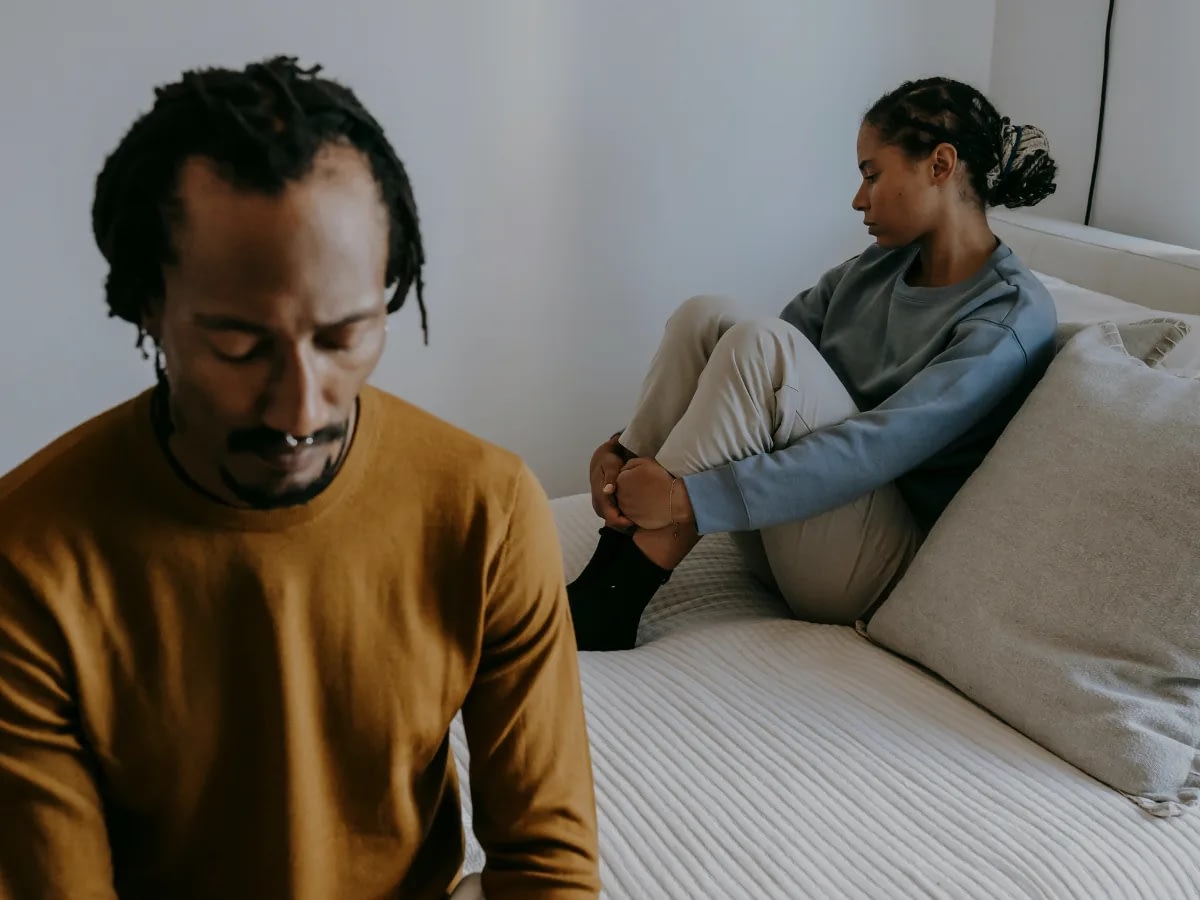
Couple sitting on a bed, not in a fight, but there is some distance between them.

Is It Healthy to Never Fight in a Relationship?

Every relationship experiences differences in opinions, needs, expectations, and personalities.

Disagreements are inevitable.

In healthy relationships, conflict becomes an opportunity to better understand one another, strengthen trust, and solve problems together.

When conflict is consistently avoided instead of addressed, it often leaves important emotions unresolved.


1. One Person Avoids Fight at All Costs

Sometimes peace comes with a hidden cost.

One partner may stay quiet because they’re afraid that expressing disappointment will lead to criticism, rejection, or an argument.

So instead of speaking up, they convince themselves:

    • “It’s not worth bringing up.”
    • “I’ll just let it go.”
    • “I don’t want to start a fight.”

Why This Matters

While avoiding conflict may reduce tension in the moment, it doesn’t eliminate the hurt.

Those unspoken feelings often build into resentment, making emotional distance grow over time.

Healthy relationships aren’t built on silence—they’re built on feeling safe enough to be honest.


2. Needs Aren’t Being Expressed

If no one ever disagrees, it’s worth asking:

Is everyone truly getting their needs met?

Or has someone simply stopped asking?

Partners sometimes sacrifice:

    • Their opinions
    • Their preferences
    • Their boundaries
    • Their emotional needs

simply to avoid upsetting the other person.

Healthy Love Makes Room for Both People

Strong relationships allow both partners to have a voice.

Respectfully expressing your needs isn’t selfish—it’s an essential part of emotional intimacy.


Close-up of a couple lying together on a bed, the man in a white shirt and the woman resting her head on his shoulder, looking calm.

3. Difficult Conversations Are Being Avoided

Some couples stop bringing up problems because they believe nothing will change.

Instead of addressing concerns, they avoid them altogether.

The conversations become shorter.

The difficult topics disappear.

On the surface, everything appears calm.

Underneath, important issues remain unresolved.

Silence Isn’t the Same as Harmony

Avoiding difficult conversations may feel easier in the short term, but unresolved issues rarely disappear on their own.

Over time, they often become larger sources of frustration and emotional disconnection.


4. Emotional Distance Has Replaced the Fight

One of the most concerning reasons couples stop arguing is that they’ve stopped expecting connection.

Instead of fighting for the relationship, they’ve emotionally withdrawn from it.

They no longer expect to be understood.

They no longer believe their needs matter.

So they stop trying.

Indifference Can Be More Dangerous Than Conflict

Conflict often means both partners are still invested in improving the relationship.

Indifference, on the other hand, can signal that emotional disengagement has already taken hold.

When couples stop caring enough to have difficult conversations, rebuilding connection becomes much more challenging.


5. They Mistake Peace for a Healthy Relationship

A quiet relationship isn’t automatically a healthy one.

Healthy couples don’t avoid conflict altogether.

They’ve learned how to approach disagreements with:

    • Respect
    • Curiosity
    • Empathy
    • Accountability
    • Repair

Rather than trying to “win,” they work together to understand one another and strengthen their relationship.

Healthy Conflict Builds Trust

Disagreements handled well often increase emotional intimacy because both partners learn:

“I can be honest with you, and our relationship is still safe.”

That’s the kind of security lasting relationships are built on.


A couple sitting across each other on a sofa, they appear to be discussing something.

What Healthy Fight Really Looks Like

Healthy conflict isn’t loud or destructive.

It doesn’t involve insults, contempt, or keeping score.

Instead, couples focus on:

    • Listening before responding
    • Expressing needs respectfully
    • Validating each other’s emotions
    • Taking responsibility for their own behavior
    • Repairing after disagreements

The goal isn’t to eliminate conflict.

It’s to create emotional safety while moving through it together.


When Should You Consider Therapy as a “We Never Fight” couple?

If you and your partner struggle to have honest conversations—or if one or both of you avoid conflict because it feels unsafe—you don’t have to figure it out alone.

Couples therapy can help you:

    • Improve communication
    • Express needs more openly
    • Reduce defensiveness
    • Rebuild emotional safety
    • Learn healthier ways to navigate conflict

The best time to seek support isn’t necessarily when your relationship is falling apart.

It’s when you notice patterns that are quietly pulling you apart.


Final Thoughts about “We Never Fight” partnership

Never fighting doesn’t automatically mean your relationship is thriving.

Sometimes it reflects excellent communication and mutual respect.

Other times, it reflects fear, avoidance, or emotional distance.

The healthiest couples aren’t those who never disagree.

They’re the ones who know how to disagree with honesty, compassion, and respect.

Because lasting relationships aren’t built on avoiding conflict.

They’re built on creating a relationship where both people feel safe enough to have it.


Frequently Asked Questions

1. Is it healthy for couples to never fight?

Not necessarily. While some couples naturally argue less, never fighting can sometimes indicate conflict avoidance, suppressed emotions, or emotional distance rather than relationship health.

2. Why do some couples avoid a fight?

People may avoid conflict because they fear rejection, criticism, hurting their partner, or believe discussing problems won’t lead to change. Over time, this can create resentment and disconnection.

3. Is avoiding a fight bad for a marriage?

When important issues are consistently ignored, conflict avoidance can prevent couples from resolving problems, expressing needs, and maintaining emotional intimacy.

4. What does a healthy fight look like?

Healthy conflict involves respectful communication, active listening, empathy, accountability, and working together to solve problems instead of trying to win arguments.

5. Can couples therapy help if we don’t fight but feel disconnected?

Yes. Couples therapy can help identify patterns of emotional withdrawal, improve communication, strengthen emotional safety, and rebuild connection before small issues become major problems.


Ready to Build a Relationship Where Both of You Feel Safe to Fight?

A healthy relationship isn’t one without disagreements—it’s one where both partners feel safe expressing their thoughts, emotions, and needs without fear of judgment or rejection.

If you and your partner avoid difficult conversations, struggle to communicate openly, or feel emotionally disconnected despite “never fighting,” couples therapy can help you understand the patterns keeping you stuck and build a stronger, more connected relationship.

Take the First Step

📞 Call: (818) 851-1293

📧 Email: marina@marinaedelman.com

Book an appointment today.

Marina Edelman help couples move beyond conflict avoidance and create relationships grounded in trust, emotional safety, and lasting connection.

Marina Edelman, LMFT | Relationship & Marriage Counselor | Westlake Village & Thousand Oaks | Serving California. Founder of TrueMe® Counseling and TrueMe® Method

About the Author:

Couples Therapist in California

Marina Edelman is a Licensed Marriage and Family Therapist and the founder of TrueMe® Counseling, a couples and relationship therapy practice serving clients in Westlake Village, Thousand Oaks, and throughout California.

Marina specializes in couples therapy, affair recovery, and relationship repair, drawing on a carefully integrated set of evidence-based approaches:

Her counseling is best suited for couples and individuals seeking structured, research-backed support for relationship repair, affair recovery, anxiety, communication challenges, and premarital or marriage counseling — in person or via telehealth across California.

Other Blogs You Might Like

How Relationships Can Help Protect Your Brain Health

How Relationships Can Help Protect Your Brain Health

Book Appointment   Book Appointment  Relationships play a bigger role in brain health than many people realize. When people think about protecting their brain health as they age, they usually focus on exercise, healthy eating, or crossword puzzles. Those habits...

read more

As a Founder of TrueMe Counseling, Marina proudly works with the following therapists with additional specialties:

These therapists see clients in Culver City, and Westlake Village Office as well as virtually all throughout California.

Cheryl Baldi, LMFT

Cheryl Baldi, LMFT

Individuals | Grief | Families | Trauma

Cheryl Baldi is a Licensed Marriage and Family Therapist with a Master's Degree in Clinical Psychology who works with individuals, couples, and families in a warm, empathetic, and collaborative environment.

Specializations: Anxiety, depression, grief, trauma, hopelessness, and family systems.

Best suited for: Individuals who feel stuck in unhealthy patterns and are looking for a compassionate, strengths-based therapist to help them build practical tools and reclaim a more peaceful life.

Dr. Rachel Chistyakov, PsyD, LMFT

Dr. Rachel Chistyakov, PsyD, LMFT

Trauma | Kids & Teens | Families

Dr. Rachel Chistyakov brings both doctoral-level training in psychology and LMFT licensure to her work with couples, families, children, and individuals. Her practice centers on healing, connection, and emotional insight.

Specializations: Trauma, PTSD, anxiety, depression, family therapy, and specialized work with children and teenagers.

Best suited for: Individuals and families seeking a highly credentialed therapist with broad clinical range, including parents looking for specialized support for children and adolescents.

Chris Calandra, AMFT

Chris Calandra, AMFT

Individuals | Men's Issues | Substance Abuse

Chris Calandra is an Associate Marriage and Family Therapist offering grounded, non-judgmental support to individuals and couples navigating anxiety, relationship tension, addiction, and feeling stuck.

Specializations: Anxiety, substance use and addiction, relationship issues, and men's mental health.

Best suited for: Individuals who want direct, down-to-earth support and are ready to do meaningful work. Particularly well-suited for men who may be approaching therapy for the first time.

Take the first step toward healing and connection

Not sure where to start? Let’s talk.

Schedule a sessionCall Marina

Respect Fades, Marriages End: The Hidden Cost No One Talks About After 40

Respect Fades, Marriages End: The Hidden Cost No One Talks About After 40

Most Marriages After 40 Don’t End Because Love Disappeared—They End Because Respect Slowly Faded

Respect —not love— is often the first thing to disappear in struggling marriages.

Many people assume marriages end because couples simply “fall out of love.” But after more than 20 years of working with couples and over 30 years of marriage myself, I’ve found that’s rarely the whole story.

More often, relationships begin to unravel when one partner no longer feels respected, appreciated, or emotionally safe.

Love may still be there.

Commitment may still be there.

But when everyday interactions are filled with criticism, dismissal, sarcasm, or contempt, emotional connection gradually begins to fade.

The encouraging news is that respect isn’t built through grand romantic gestures or expensive gifts. As a marriage and couples therapist, I’ve observed certain patterns among couples who maintain vibrant, enduring relationships. It’s reflected in the small, everyday moments—how partners speak to each other, respond during conflict, show appreciation, and protect one another’s dignity.

These seemingly ordinary interactions either strengthen trust or quietly chip away at it over time.

Let’s explore five subtle forms of disrespect that can slowly weaken even the strongest long-term marriages—and what healthier relationships do differently.


Two couples sitting comfortably together in a forest.

Why Respect Matters More Than You Think

Respect Creates Emotional Safety

Healthy marriages aren’t built on passion alone.

They’re built on emotional safety—the confidence that your partner values your thoughts, protects your dignity, and treats you with kindness, even during conflict.

When respect disappears, partners often begin to:

  • Share less about their feelings
  • Avoid difficult conversations
  • Become defensive
  • Feel lonely within the relationship
  • Lose trust over time

Respect is the foundation that allows love to thrive.

Without it, even strong relationships can begin to fracture.


1. Putting Your Partner Down in Front of Others

Public criticism can be one of the quickest ways to damage trust.

Sometimes it looks obvious:

  • Mocking your partner at family gatherings
  • Correcting them in front of friends
  • Criticizing their decisions publicly

Other times it’s more subtle:

  • Rolling your eyes while they speak
  • Making dismissive comments
  • Speaking to them with impatience in social settings

Even if everyone laughs, your partner may leave feeling embarrassed rather than supported.

Why It Hurts

Public humiliation sends an important message:

“You’re not safe with me.”

Over time, repeated embarrassment can create emotional distance that becomes difficult to repair.


2. Making Hurtful “Jokes” at Their Expense

When Humor Stops Being Funny

Healthy couples laugh together.

Unhealthy patterns often involve laughing at one another.

Statements like:

  • “Can’t you take a joke?”
  • “You’re too sensitive.”
  • “I was only kidding.”

can dismiss genuine hurt.

Intent matters—but impact matters more.

If your partner consistently feels like the punchline, humor may be masking disrespect.

Ask Yourself

Would I make this same joke if I knew it genuinely hurt the person I love?

If the answer is no, it may be time to rethink the pattern.


Two women talking while sitting in a couch.

3. Speaking Negatively About Your Partner Behind Their Back

Everyone needs trusted people to talk to during difficult times.

Seeking support is healthy.

Repeatedly criticizing, mocking, or belittling your partner to friends or family is something different.

When negative conversations become the norm, respect begins to erode both inside and outside the relationship.

A Helpful Rule

Talk about your partner as though they could hear every word.

That doesn’t mean pretending everything is perfect.

It means communicating with the same dignity and respect you would want shown to you.


4. Dismissing Their Thoughts or Feelings

Disrespect isn’t always loud.

Sometimes it’s a facial expression.

Sometimes it’s silence.

Sometimes it’s a sentence like:

  • “You’re overreacting.”
  • “You’re being dramatic.”
  • “That’s ridiculous.”

Or behaviors such as:

  • Interrupting
  • Eye rolling
  • Sarcasm
  • Ignoring concerns
  • Changing the subject

These responses communicate something powerful:

“Your experience doesn’t matter.”

The Long-Term Impact

Eventually, many partners stop sharing altogether.

Not because they no longer have feelings—but because they’ve learned those feelings won’t be received with care.

That’s when emotional intimacy begins to disappear.


5. Showing More Kindness to Strangers Than to Your Partner

This may be one of the most common relationship traps.

Many people are patient with:

  • Coworkers
  • Friends
  • Cashiers
  • Neighbors

Yet become short-tempered, dismissive, or impatient with the person they love most.

Why?

Because familiarity often lowers our awareness.

We begin assuming our partner will simply understand.

But healthy marriages aren’t built on assumptions.

They’re built on intentional kindness.

The same courtesy you naturally extend to strangers can have an even greater impact when practiced consistently at home.


A couple cooking dinner together, both looks like they respect each other while doing chores together.

How Small Moments Build—or Break—A Marriage

Rarely does a marriage fall apart becaus of one conversation.e

More often, it’s the accumulation of everyday interactions.

Small moments of:

  • Appreciation
  • Respect
  • Curiosity
  • Patience
  • Encouragement

strengthen connection.

Small moments of:

  • Criticism
  • Contempt
  • Dismissal
  • Defensiveness
  • Public embarrassment

gradually weaken it.

Healthy relationships aren’t perfect.

They’re intentional.


Can Respect Be Rebuilt?

Yes.

Even if unhealthy patterns have existed for years, many couples learn to rebuild respect when both partners are willing to acknowledge the problem and make consistent changes.

Rebuilding respect often involves:

Practicing Active Listening

Focus on understanding rather than preparing your response.

Repairing After Conflict

Apologize sincerely, acknowledge hurt, and take responsibility for your actions.

Speaking With Kindness

Choose words that protect your partner’s dignity, especially during disagreements.

Showing Appreciation Daily

Simple expressions of gratitude can strengthen emotional connection over time.

Seeking Professional Support

A couples therapist can help identify recurring patterns, improve communication, and create healthier ways of relating to one another.


Final Thoughts

Love doesn’t usually disappear overnight.

Respect often fades first.

The strongest marriages aren’t those without conflict—they’re the ones where both partners consistently choose kindness, protect each other’s dignity, and create emotional safety through their everyday actions.

If you recognize some of these patterns in your own relationship, don’t view them as signs of failure.

View them as an opportunity to make meaningful changes before emotional distance grows wider.

Small moments matter.

And so do the choices you make in them.


Frequently Asked Questions

1. Why do many marriages after 40 end even when love is still present?

Many marriages struggle because one or both partners stop feeling respected, emotionally safe, or valued. While love may remain, ongoing patterns of criticism, dismissal, or contempt can gradually weaken the relationship.

2. What are examples of disrespect in a marriage?

Examples include criticizing your partner in public, making hurtful jokes at their expense, dismissing their feelings, speaking negatively about them behind their back, and treating strangers with more kindness than your spouse.

3. Can a marriage recover after years of disrespect?

Yes. When both partners are willing to acknowledge unhealthy patterns, communicate openly, rebuild trust, and practice consistent respect, many relationships can improve significantly. Couples therapy can also provide valuable guidance.

4. Why is emotional safety important in a relationship?

Emotional safety allows partners to express their thoughts, feelings, and concerns without fear of ridicule, criticism, or dismissal. It fosters trust, intimacy, and healthy communication.

5. How can couples rebuild respect in their relationship?

Couples can rebuild respect by listening without interrupting, speaking kindly during disagreements, expressing appreciation regularly, repairing conflicts through sincere apologies, and seeking professional support when needed.


Ready to Build a Stronger Relationship with Respect?

Respect isn’t something that only matters during major disagreements—it’s built through the smal l, everyday interactions that help your partner feel valued, heard, and emotionally safe.

If criticism, resentment, or emotional distance have become part of your relationship, it doesn’t have to stay that way.

Whether you’re looking to improve communication, rebuild trust, or reconnect after years of feeling unheard, therapy can help you understand the patterns keeping you stuck and develop healthier ways of relating to one another.

Take the First Step

📞 Call: (818) 851-1293

📧 Email: marina@marinaedelman.com

Book an appoinment today.

Healthy marriages aren’t built by avoiding conflict—they’re built by choosing respect, kindness, and emotional safety every day.

How to Communicate with Honesty and Compassion

How to Communicate with Honesty and Compassion

Honest Conversations, Stronger Love: How to Communicate with Your Partner with Honesty and Compassion

Communicate the truth and strengthen a relationship—but only when it’s delivered with care.

Many couples believe they have only two choices when facing difficult conversations: be brutally honest or avoid the truth to keep the peace. In reality, the healthiest relationships are built on a third option—honest communication delivered with compassion.

Whether you’re discussing unmet needs, relationship concerns, financial stress, parenting challenges, or emotional wounds, the way you communicate can either create connection or deepen distance. Honesty without compassion can feel like criticism. Compassion without honesty can lead to resentment. Lasting intimacy requires both.

Just as structured communication helps couples navigate relationship crises and rebuild trust, healthy conversations create emotional safety and understanding long before problems become overwhelming.

Couple sitting on a couch, the man points at a smartphone while the woman holds a laptop beside him in a living room setting.

Why Honesty Matters in a Relationship

Honesty is the foundation of trust. Without it, partners are left guessing what the other person truly thinks, feels, or needs.

When couples avoid difficult conversations, they often experience:

  • Growing resentment
  • Emotional disconnection
  • Misunderstandings
  • Repeated arguments
  • Unmet expectations

Many people stay silent because they fear conflict or worry about hurting their partner. Ironically, avoiding the truth often causes more damage than addressing it directly.

Healthy honesty allows both partners to:

  • Feel emotionally safe
  • Understand each other’s needs
  • Solve problems together
  • Build deeper intimacy
  • Strengthen trust over time

The goal isn’t simply to tell the truth—it’s to tell it in a way your partner can actually hear.

The Missing Ingredient: Communicate with Compassion

Compassion means considering your partner’s feelings while expressing your own truth.

Compassionate communication doesn’t water down your message or avoid accountability. Instead, it acknowledges that both people matter.

For example:

Without Compassion:

“You never listen to me. You’re always on your phone.”

With Compassion:

“I’ve been feeling disconnected lately, and when we’re together but focused on our phones, I miss feeling close to you.”

The message is similar, but the delivery invites connection instead of defensiveness.

How People Communicate and What Can Go Wrong

Many relationship conversations become unproductive because partners enter them emotionally flooded.

When emotions run high, people tend to:

  • Attack
  • Defend
  • Withdraw
  • Blame
  • Interrupt
  • Stop listening

Research and clinical experience consistently show that emotional escalation makes productive communication nearly impossible. Couples often end up having the same argument repeatedly without resolving the underlying issue.

The solution isn’t avoiding difficult conversations—it’s learning how to have them differently.

Person sitting on a sofa with head bowed and arms wrapped over their knees, looking distressed or overwhelmed.

A Simple Framework to Communicate with Honesty and Compassion

Step 1: Regulate Yourself First

Before initiating an important conversation, ask yourself:

  • Am I calm enough to communicate clearly?
  • Am I seeking understanding or trying to win?
  • What outcome do I want from this conversation?

If emotions are overwhelming, take time to calm your nervous system before engaging.

A conversation held in frustration often creates more problems than it solves.

Step 2: Lead with Your Feelings, Not Accusations

Accusations trigger defensiveness.

Instead of saying:

“You don’t care about me.”

Try:

“I’ve been feeling lonely lately, and I miss spending quality time together.”

This approach keeps the focus on your experience rather than attacking your partner’s character.

Step 3: Be Specific

Vague complaints create confusion.

Instead of:

“Things haven’t been good between us.”

Try:

“I’ve noticed we haven’t had meaningful conversations in weeks, and I miss that connection.”

Specific examples give your partner something concrete to understand and address.

Step 4: Practice Reflective Listening

Compassionate communication requires listening as much as speaking.

After your partner shares, try reflecting back:

“What I’m hearing is that you’ve been feeling overwhelmed at work and haven’t had much emotional energy left.”

This simple practice helps your partner feel seen and reduces misunderstandings.

Step 5: Stay Curious

Many couples assume they already know why their partner behaves a certain way.

Curiosity creates space for understanding.

Ask questions like:

  • “Can you help me understand what you’re experiencing?”
  • “What does this situation feel like from your perspective?”
  • “What do you need from me right now?”

Understanding often emerges when judgment steps aside.

Couple who can communicate well by the window

The Difference Between Brutal Honesty and Loving Honesty

Some people pride themselves on being “brutally honest.”

The problem is that the emphasis is often on the brutality rather than the honesty.

Loving honesty sounds different.

Brutal Honesty:

“You’re impossible to talk to.”

Loving Honesty:

“Sometimes I feel discouraged because our conversations become tense, and I’d love for us to find a better way to communicate.”

One creates shame.

The other creates an opportunity for growth.

What Honest and Compassionate Communication Creates

When practiced consistently, honest communication with compassion leads to:

Greater Trust

Partners know they can rely on each other for truth and transparency.

Emotional Safety

Both people feel comfortable sharing fears, needs, and vulnerabilities.

Stronger Conflict Resolution

Problems get addressed before they become major issues.

Deeper Intimacy

Authenticity creates connection.

Healthier Long-Term Relationships

Couples who communicate openly are better equipped to navigate life’s inevitable challenges together.

Frequently Asked Questions (FAQs)

Why is honesty important in a romantic relationship?

Honesty builds trust, strengthens emotional intimacy, and helps partners understand each other’s needs. When couples communicate openly, they can address issues before they become larger problems and create a stronger foundation for long-term connection.

How to communicate and can honesty hurt a relationship?

Honesty itself is not usually the problem—it’s often the delivery. Being truthful without empathy can feel harsh or critical. Honest communication paired with compassion allows partners to express concerns while maintaining respect and emotional safety.

What is compassionate communication?

Compassionate communication means expressing your thoughts, feelings, and needs while considering your partner’s emotions and perspective. It focuses on understanding rather than blaming, helping both partners feel heard and valued.

How can I communicate a difficult topic without starting an argument?

Choose a calm time to talk, focus on your feelings rather than accusations, and use “I” statements. For example, say, “I’ve been feeling disconnected lately,” instead of, “You never spend time with me.” This reduces defensiveness and encourages productive dialogue.

How can we communicate better as a couple?

Regular check-ins, active listening, empathy, and honest conversations can significantly improve communication. Many couples also benefit from creating dedicated time each week to discuss feelings, goals, and concerns without distractions.

Ready to Strengthen Your Relationship and Communicate Properly?

Healthy relationships aren’t built on avoiding difficult conversations—they’re built on partners who are willing to communicate with honesty, empathy, and respect.

If you and your partner are struggling to express your needs, navigate recurring conflicts, or reconnect emotionally, professional support can help you develop the tools needed for healthier, more meaningful communication.

You don’t have to figure it out alone. Learn more on Relationship Counseling and Therapy!

Take the first step toward a stronger, more connected relationship by scheduling a consultation today. Together, you can learn how to communicate openly, listen with compassion, and create the trust and intimacy your relationship deserves.

Contact Marina today to start building a healthier, happier partnership—one conversation at a time. ❤️

Schedule Your Consultation

📞 Call: (818) 851 1293
📧 Email: marina@marinaedelman.com

Because every great relationship begins with understanding—and every meaningful conversation is an opportunity to grow closer.

Why People Stay After Infidelity: Psychological Perspective

Why People Stay After Infidelity: Psychological Perspective

Why People Stay After Infidelity: A Psychological Perspective on Attachment and Betrayal

Staying after infidelity is not irrational—it is deeply human.

Infidelity is often viewed in binary terms: leave or stay. Yet for those inside the experience, the decision is rarely simple.

From a psychological perspective, infidelity is not just a breach of trust. It is an attachment injury—one that disrupts a person’s sense of safety, identity, and emotional grounding within the relationship.

Infidelity as an Attachment Injury

Attachment theory helps explain why betrayal feels so destabilizing.

Romantic relationships function as primary attachment bonds in adulthood. When that bond is violated, the nervous system responds similarly to other forms of relational trauma—through heightened anxiety, vigilance, or withdrawal.

Why People Stay after Infidelity

1. Attachment Bonds Do Not Dissolve Immediately

Emotional attachment persists even in the presence of betrayal.

2. Loss Extends Beyond the Partner

Ending the relationship often means losing a shared life structure, future plans, and identity.

3. Family and Systemic Considerations

Children, finances, and community ties introduce additional layers of complexity.

4. Identity Investment

Long-term relationships become intertwined with one’s sense of self.

The Emotional Paradox of Staying

Individuals often experience:

  • simultaneous love and anger
  • hope alongside profound distrust
  • a desire for repair coupled with fear of further harm

When Staying Becomes Harmful

Without structured repair, staying can reinforce:

  • chronic hypervigilance
  • emotional dysregulation
  • repeated cycles of conflict

    What Healing Actually Requires

    Research-informed approaches emphasize:

    • accountability from the partner who violated trust
    • transparency and consistency
    • emotional processing of the injury
    • rebuilding of secure attachment

    Can Relationships Recover after Infidelity?

    Yes—but recovery is not passive. It is an active, structured process that unfolds over time.

      Marina Edelman, LMFT | Relationship & Marriage Counselor | Westlake Village & Thousand Oaks | Serving California. Founder of TrueMe® Counseling and TrueMe® Method

      About the Author:

      Couples Therapist in California

      Marina Edelman is a Licensed Marriage and Family Therapist and the founder of TrueMe® Counseling, a couples and relationship therapy practice serving clients in Westlake Village, Thousand Oaks, and throughout California.

      Marina specializes in couples therapy, affair recovery, and relationship repair, drawing on a carefully integrated set of evidence-based approaches:

      Her counseling is best suited for couples and individuals seeking structured, research-backed support for relationship repair, affair recovery, anxiety, communication challenges, and premarital or marriage counseling — in person or via telehealth across California.

      As a Founder of TrueMe Counseling, Marina proudly works with the following therapists with additional specialties:

      These therapists see clients in Culver City, and Westlake Village Office as well as virtually all throughout California.

      Cheryl Baldi, LMFT

      Cheryl Baldi, LMFT

      Individuals | Grief | Families | Trauma

      Cheryl Baldi is a Licensed Marriage and Family Therapist with a Master's Degree in Clinical Psychology who works with individuals, couples, and families in a warm, empathetic, and collaborative environment.

      Specializations: Anxiety, depression, grief, trauma, hopelessness, and family systems.

      Best suited for: Individuals who feel stuck in unhealthy patterns and are looking for a compassionate, strengths-based therapist to help them build practical tools and reclaim a more peaceful life.

      Dr. Rachel Chistyakov, PsyD, LMFT

      Dr. Rachel Chistyakov, PsyD, LMFT

      Trauma | Kids & Teens | Families

      Dr. Rachel Chistyakov brings both doctoral-level training in psychology and LMFT licensure to her work with couples, families, children, and individuals. Her practice centers on healing, connection, and emotional insight.

      Specializations: Trauma, PTSD, anxiety, depression, family therapy, and specialized work with children and teenagers.

      Best suited for: Individuals and families seeking a highly credentialed therapist with broad clinical range, including parents looking for specialized support for children and adolescents.

      Chris Calandra, AMFT

      Chris Calandra, AMFT

      Individuals | Men's Issues | Substance Abuse

      Chris Calandra is an Associate Marriage and Family Therapist offering grounded, non-judgmental support to individuals and couples navigating anxiety, relationship tension, addiction, and feeling stuck.

      Specializations: Anxiety, substance use and addiction, relationship issues, and men's mental health.

      Best suited for: Individuals who want direct, down-to-earth support and are ready to do meaningful work. Particularly well-suited for men who may be approaching therapy for the first time.

      Frequently Asked Questions About Couples Therapy

      Explore answers to frequently asked questions about the benefits and processes of couples therapy.

      What issues can couples therapy help with?

      Couples therapy can help with communication issues, emotional disconnection, infidelity, and conflict patterns. 

      Is online therapy effective?

      Yes—research shows online therapy can be just as effective as in-person sessions for many couples. 

      What approach do you use?

      I integrate Emotionally Focused Therapy (EFT) and the Gottman Method, both research-backed approaches.

      Ready to Reconnect?

      Final Reflections

      The question is not simply whether to stay—but whether the relationship can transform into something emotionally safe again.

      If you are navigating infidelity, structured support can make the difference between prolonged distress and meaningful repair.

      Learn more or schedule a consultation at MarinaEdelman.com

      Rebuild Emotional Intimacy Today

      Best Couples Therapists in Westlake Village & Thousand Oaks

      Best Couples Therapists in Westlake Village & Thousand Oaks

      Book Appointment


      California 2026 Guide

      Best Couples Therapists in Westlake Village & Thousand Oaks

      Healthy relationships require communication, trust, and emotional connection. Even strong couples can experience periods of conflict, stress, or disconnection due to life transitions, parenting pressures, financial concerns, or unresolved emotional patterns.

      Working with a qualified couples therapist can help partners develop healthier communication skills, rebuild emotional intimacy, and better understand the underlying dynamics that influence their relationship.

      The Westlake Village and Thousand Oaks area has several experienced therapists who specialize in couples counseling and relationship therapy. The professionals listed below represent a range of therapeutic approaches and specialties.

      1. Marina Edelman, LMFT

      Relationship & Marriage Counselor

      Website: www.marinaedelman.com

      Psychology Today: www.psychologytoday.com/profile/70050 

      Instagram: www.instagram.com/marina.on.marriage 

      Marina Edelman, founder of TrueMe® Counseling, is a licensed Marriage and Family Therapist with more than 20 years of experience working with couples, individuals, and families. Her practice focuses on helping clients build happiness, harmony, resilience, and stronger emotional connection within relationships.

      She offers both in-person sessions in the Westlake Village / Thousand Oaks area as well as online therapy, allowing clients throughout California to access support.

      Marina works with couples experiencing a wide range of relationship concerns, including:

        • Interpersonal relationships
        • Financial infidelity or financial stress
        • Communication difficulties
        • Emotional disconnection
        • Intimacy concerns
        • Life transitions affecting relationships
        • Premarital counseling

      Her clinical approach integrates several well-established evidence-based therapies.

      Emotionally Focused Therapy (EFT)

      Emotionally Focused Therapy is one of the most widely studied approaches to couples therapy. The American Psychological Association has recognized EFT as a gold-standard evidence-based treatment for relationship distress.

      Research has shown that 70–75% of couples move from distress to recovery, and approximately 90% experience meaningful improvements in relationship satisfaction.

      EFT focuses on identifying emotional patterns that contribute to conflict and helping partners develop stronger emotional bonds and attachment security.

      Gottman Method Couples Therapy

      Marina also uses the Gottman Method, a research-based framework developed from more than 40 years of research with thousands of couples.

      Key goals of the Gottman Method include:

        • Reducing negative communication cycles
        • Increasing emotional and physical intimacy
        • Addressing underlying sources of conflict
        • Building empathy, trust, and mutual understanding

      Couples in therapy often complete a brief online relationship assessment before beginning sessions. This helps identify specific relationship strengths and areas that may need attention, allowing therapy to be more focused and effective.

      Marina also offers workshops based on the Gottman 7 Principles for Making Marriage Work, which provide couples with practical skills to strengthen communication and emotional connection.

      Individual and Family Therapy

      In addition to couples therapy, Marina works with individuals experiencing:

        • Anxiety
        • Depression
        • Career or life transitions
        • Co-parenting challenges and divorce adjustment

      For these concerns, she frequently incorporates Cognitive Behavioral Therapy (CBT), which helps clients recognize unhelpful thought patterns and develop healthier coping strategies.

      Her approach to therapy is collaborative and supportive, creating a space where clients can communicate openly, increase self-awareness, and work toward meaningful personal and relational growth.

      2. Nicole Barkhordari, LMFT

      Couples & Sex Therapy

      Nicole Barkhordari is a licensed marriage and family therapist who specializes in relationship counseling and intimacy issues. Her practice focuses on helping couples navigate challenges related to communication, sexual compatibility, and life transitions.

      Areas of focus often include:

        • Premarital counseling
        • Couples communication difficulties
        • Sexual health and intimacy
        • Relationship transitions and growth

      Her work integrates elements of attachment theory and modern relationship psychology to help couples develop stronger emotional and physical connection.

      3. Amanda Prince, LMFT

      Relationship and Stress Counseling

      Amanda Prince provides therapy for couples and individuals dealing with relationship stress, anxiety, and emotional disconnection.

      Her clinical work often focuses on:

        • Couples conflict resolution
        • Emotional regulation skills
        • Stress management within relationships
        • Improving communication patterns

      She works with couples at different stages of relationships, from premarital counseling to long-term partnership challenges.

      4. Ashley Prechtl, LMFT

      Couples & Family Therapy

      Ashley Prechtl is a licensed therapist who works with couples, families, and individuals seeking to improve relational dynamics and emotional well-being.

      Her therapy approach often incorporates:

        • Attachment-based therapy
        • Emotional regulation techniques
        • Communication skill development
        • Relationship pattern awareness

      Her goal is to help couples better understand their relational patterns while building healthier and more supportive partnerships.

      5. Julie Norvilas, LMFT

      Relationship & Family Counseling

      Julie Norvilas works with couples who want to improve emotional communication and create healthier relationship dynamics.

      Her work focuses on helping couples:

        • Identify recurring relationship patterns
        • Develop more effective communication strategies
        • Improve emotional awareness within partnerships

      She often uses collaborative therapy approaches that help partners understand how personal history and emotional experiences influence current relationship patterns.

      How to Choose the Right Therapist:

      5 Questions to Ask

      Choosing a therapist is a personal decision, and the right fit can make a meaningful difference in the outcome of therapy. Many people begin their search feeling unsure about what to look for, especially when comparing different therapists or treatment approaches.

      Below are five commonly recommended questions to consider when looking for a therapist.

      1. What Are the Therapist’s Credentials and Training?

      One of the first things to review is a therapist’s professional credentials and training. Licensed professionals such as Marriage and Family Therapists (MFTs), psychologists, or licensed clinical social workers complete extensive clinical training and supervised experience before practicing independently.

      Specialized certifications can also provide insight into a therapist’s expertise. For example, therapists who work with couples may have training in approaches such as Emotionally Focused Therapy (EFT) or the Gottman Method, which are widely used in relationship counseling.

      2. What Therapy Approach Do They Use?

      Different therapists use different clinical approaches. Some focus on structured methods that address thinking patterns and behaviors, while others emphasize emotional processing or relationship dynamics.

      Examples include:

      • – Cognitive Behavioral Therapy (CBT) – helps identify and change unhelpful thought patterns and behaviorsGottman Method  — Couples Therapy – research-based techniques for improving communication and resolving conflict
      • – Emotionally Focused Therapy (EFT) – focuses on emotional connection and attachment patterns in relationships

      Understanding a therapist’s approach can help clients decide whether the style aligns with their goals.

      3. Do They Have Experience With Your Specific Concerns?

      Therapists often specialize in certain areas, such as:

      • – Relationship and marital conflict

        – Anxiety and depression

      • – Divorce or co-parenting concerns
      • – Family dynamics or parenting challenges
      • – Trauma and early life experiences

      Choosing a therapist with experience in the issues you are facing can make therapy more focused and effective.

      4. What Is the Therapist’s Style?

      Some therapists are highly structured and goal-oriented, while others emphasize open exploration and emotional insight.

      It can be helpful to ask:

      • – How do therapists help clients measure progress?

        – Are sessions structured or conversational?

      • How collaborative are sessions?

      A good therapeutic relationship often depends on feeling comfortable, supported, and understood.

      5. Do You Feel Comfortable Talking With Them?

      Research consistently shows that the therapeutic relationship itself is one of the strongest predictors of successful therapy outcomes. Feeling safe, heard, and respected can make it easier to discuss difficult topics and work toward meaningful change.

      Many therapists offer an initial consultation or introductory session so clients can determine whether the fit feels right.

      Therapy Options Today:

      Online, In-Person, or Messaging Therapy

      Over the past decade, therapy has expanded beyond traditional office visits. Many therapists now offer multiple ways to receive support, including in-person sessions, video therapy, and text-based therapy platforms.

      Each format has advantages depending on a person’s schedule, comfort level, and therapeutic goals.

      In-Person Therapy

      Traditional in-office therapy allows clients to meet face-to-face with a therapist in a private office setting.

      Benefits often include:

        • Stronger nonverbal communication and body language cues
        • A dedicated space for reflection away from daily distractions
        • A structured environment that helps some people focus more deeply on therapy

      For individuals who prefer a more personal interaction, face-to-face therapy can feel more engaging and emotionally connected.

      Some research also suggests that in-person therapy may be especially helpful for complex psychological concerns that benefit from deeper interpersonal interaction.

      Online (Video) Therapy

      Online therapy—sometimes called teletherapy—allows clients to meet with a therapist through secure video platforms.

      This format has grown significantly in recent years because of its convenience and accessibility.

      Benefits often include:

        • Attending therapy from home
        • Easier scheduling for busy professionals or parents
        • Access to therapists who may not be located nearby

      Research has found that video-based psychotherapy can produce outcomes similar to in-person therapy for many mental health conditions, including anxiety and depression. 

      Online therapy can also reduce barriers such as travel time, transportation costs, or childcare challenges.

      Messaging or Chat-Based Therapy

      Some digital therapy platforms allow clients to communicate with therapists through text messaging or asynchronous chat.

      These services are sometimes used by people who prefer a more flexible way to communicate about emotional challenges.

      Potential benefits include:

        • The ability to write messages at any time
        • More time to reflect before responding
        • A lower barrier for people who may feel uncomfortable speaking about sensitive issues initially

      However, messaging therapy may not provide the same level of real-time interaction as video or in-person therapy, which is why many clinicians recommend it as a supplement rather than a replacement for traditional sessions.

      Choosing the Format That Works Best for You

      Ultimately, the best therapy format depends on personal preference, lifestyle, and therapeutic goals.

      Some clients prefer the structure of in-person sessions, while others appreciate the convenience of online therapy. Many therapists now offer both options, allowing clients to choose the format that feels most comfortable and supportive.

      The most important factor is finding a therapist with whom you feel safe, understood, and motivated to work toward positive change.

      Marina Edelman, LMFT | Relationship & Marriage Counselor | Westlake Village & Thousand Oaks | Serving California. Founder of TrueMe® Counseling and TrueMe® Method

      About the author

      Marina Edelman, LMFT

      Marina Edelman is a Licensed Marriage and Family Therapist and the founder of TrueMe® Counseling, a couples and relationship therapy practice serving clients in Westlake Village, Thousand Oaks, and throughout California.

      Marina specializes in couples therapy, affair recovery, and relationship repair, drawing on a carefully integrated set of evidence-based approaches:

      Her counseling is best suited for couples and individuals seeking structured, research-backed support for relationship repair, affair recovery, anxiety, communication challenges, and premarital or marriage counseling — in person or via telehealth across California.

      Blogs:

      Blogs:

      Frequently Asked Questions

      What types of relationship issues can couples therapy help with?
      Couples therapy can address a wide range of concerns, including communication difficulties, emotional disconnection, intimacy issues, financial stress or financial infidelity, life transitions, and premarital counseling. A skilled therapist helps partners identify the underlying patterns driving conflict and build stronger emotional connection.
      What is Emotionally Focused Therapy (EFT), and why is it recommended for couples?
      EFT is one of the most rigorously studied approaches to couples therapy and is recognized by the American Psychological Association as a gold-standard evidence-based treatment. Research shows that 70–75% of couples move from distress to recovery using this method, with approximately 90% experiencing meaningful improvements in relationship satisfaction. It works by helping partners identify emotional cycles that fuel conflict and rebuild secure attachment.
      How do I choose the right couples therapist for me?
      Start by reviewing a therapist’s credentials, specialized training, and clinical approach. Consider whether they have experience with your specific concerns, and pay attention to their style — some therapists are structured and goal-oriented, while others are more exploratory. Most importantly, trust how you feel in that first conversation. Research consistently shows that the quality of the therapeutic relationship is one of the strongest predictors of successful outcomes.
      Is online couples therapy as effective as in-person sessions?
      For many couples, yes. Research has found that video-based therapy produces outcomes comparable to in-person therapy for a wide range of concerns. Online therapy also removes common barriers like commute time, scheduling conflicts, and childcare challenges — making it easier for busy couples to stay consistent with sessions.
      What should couples expect before starting therapy?
      Many therapists recommend completing a brief relationship assessment before the first session. This helps identify specific strengths and areas of concern, so therapy can be more focused and effective from the start. Some therapists also offer workshops — such as those based on the Gottman 7 Principles — as a complement to individual sessions, giving couples practical tools to apply between appointments.

      Ready to Transform Your Relationship?

      Schedule a consultation today to discover how our therapy can help you and your partner build a healthier, more fulfilling relationship.

      When a Good Relationship Starts to Break Down

      When a Good Relationship Starts to Break Down

      Understanding Relationship Challenges

      When a Good Relationship Starts to Break Down

      Explore the underlying reasons why even the most loving relationship can face difficulties, and discover how professional guidance can help navigate these challenges.

      Reignite Your Connection Today

      The Dynamics of Love and Challenges

      You still love each other. That has never really been the question. And yet somewhere along the way, conversations started ending in frustration. Silences grew longer. You stopped reaching for each other the way you used to. Now you find yourselves living side by side, wondering how two people who care so deeply can feel so far apart.

      This is one of the most painful — and most common — experiences that bring couples to therapy. Not hatred. Not indifference. Love that is very much still present, but somehow no longer enough to bridge the growing distance.

      If this sounds familiar, you are not alone. As a couples therapist in Westlake Village, I work with couples every week who are stuck in exactly this place. They are not bad partners. They are not failing. They are caught in patterns that, without the right support, have a quiet but powerful way of eroding even the strongest relationships over time.

      Understanding why good relationships break down — despite real love — is the first step toward changing the pattern. In this article, I walk through the three most common dynamics I see in couples therapy, and what it looks like to actually move through them.

      The Three Patterns That Quietly Erode Good Relationships

      1. Communication Breakdown: When Talking Makes Things Worse

      Most couples who come to therapy don’t have a shortage of conversations. They have a shortage of conversations that work.

      What I see consistently in my work as a couples therapist is that communication breakdown rarely looks like two people refusing to talk. More often, it looks like two people trying very hard to be heard — and consistently failing to feel understood.

      Over time, couples develop what researchers at The Gottman Institute call negative sentiment override: a state in which past hurts and frustrations color how partners interpret each other’s words and intentions, even when those words are neutral or even kind. A simple question like “Did you call the plumber?” gets heard as criticism. A gentle suggestion becomes an attack. Both partners are genuinely trying — and yet every conversation seems to end the same way.

      This is not a character flaw. It is a pattern. And patterns can be changed.

      In couples therapy using the Gottman Method, one of the first areas of focus is helping couples identify the specific ways their communication has gone off track — the Four Horsemen that predict relationship decline (criticism, contempt, defensiveness, and stonewalling) — and replacing those patterns with tools for softer start-ups, repair attempts, and genuine dialogue.

      The goal is not to eliminate conflict. Conflict is a healthy and necessary part of any close relationship. The goal is to make conflict productive — something that brings you closer rather than driving you further apart.

      2. Emotional Disconnection: The Distance That Grows in Silence

      Of all the patterns I see in couples therapy, emotional disconnection may be the most quietly devastating — precisely because it rarely announces itself.

      It does not arrive with a dramatic fight or a clear turning point. It builds slowly, over months or years, as small bids for connection go unnoticed. A hand reached for and not taken. A worry mentioned in passing and not followed up on. A moment of tenderness that felt too risky to express.

      Dr. Sue Johnson, the developer of Emotionally Focused Therapy (EFT), describes this as an attachment injury — the cumulative effect of moments in which one or both partners began to feel emotionally unsafe reaching toward the other. Over time, both partners pull back. The relationship begins to feel more like a functional partnership than an intimate bond.

      What makes this pattern particularly difficult is that it can coexist with a great deal of genuine love. Partners who are emotionally disconnected often describe still caring deeply for each other. What has been lost is not the feeling — it is the expression of it. The reaching. The risk.

      In EFT-informed couples therapy, we work to identify the underlying emotions that have been buried beneath the surface conflict or distance — fear, longing, grief, the desire to matter — and create the conditions in which both partners can begin to reach toward each other again with some degree of safety.

      This is slow, careful work. But it is some of the most meaningful work I do.

      3. Unresolved Resentment: The Weight of Everything That Was Never Said

      Resentment is what happens when hurt goes unaddressed long enough.

      It is rarely the result of one large event. More often, it accumulates quietly — a series of moments in which one partner felt dismissed, unseen, overburdened, or taken for granted, and chose (or felt unable) to say so. Over time, those unspoken grievances calcify into something harder: a running mental tally, a reflexive brace for disappointment, a protective pulling-away that can look, from the outside, like coldness or indifference.

      In my work with couples in Westlake Village and throughout California, I find that resentment is often the presenting issue but rarely the root one. Beneath the resentment, there is almost always a story of unmet needs — connection, appreciation, fairness, safety — that never found language.

      One of the most important things couples therapy can offer is a structured space to excavate that story. Not to relitigate old grievances, but to understand what they meant — what they said about each partner’s needs, fears, and deep longings in the relationship. When both partners can hear that story with curiosity rather than defensiveness, something often shifts.

      Resentment does not require a villain. It requires understanding. And understanding, in a safe therapeutic space, is something that is genuinely possible — even for couples who have been carrying this weight for years.

      Working Through These Patterns: What Couples Therapy Actually Looks Like

      Understanding patterns is a starting point. Changing them is the work.

      Insight alone is rarely enough. Changing deeply ingrained relationship patterns requires practice, repetition, and the support of a skilled therapist — especially in the moments when old habits pull hardest.

      Effective couples therapy is not about refereeing arguments. It is a structured, evidence-based process with three clear goals:

      • Identifying the dynamics keeping a couple stuck
      • Understanding the emotional needs beneath those dynamics
      • Building new ways of relating that are more secure, more connected, and more resilient

      This is the work Marina Edelman, LMFT does every day — and it is work she believes in deeply.

      Love is rarely the problem.

      The couples Marina sees in her Westlake Village therapy practice are not struggling because they stopped caring. They are struggling because they are human — caught in patterns of communication, disconnection, and unspoken hurt that, without the right support, have a way of quietly winning.

      The good news: these patterns are not permanent. They are learned. And what is learned can be unlearned — with the right tools, the right space, and the right guide.

      If you and your partner are loving each other but not quite reaching each other, couples therapy may be the most important investment you make in your relationship this year.

      Marina Edelman, LMFT is a couples therapist serving Westlake Village, Thousand Oaks, and clients throughout California — in person and via telehealth.

      To learn more or schedule a consultation: Book an Appointment | 818-851-1293

      Marina Edelman, LMFT | Relationship & Marriage Counselor | Westlake Village & Thousand Oaks | Serving California. Founder of TrueMe® Counseling and TrueMe® Method

      About the Author:

      Couples Therapist in California

      Marina Edelman is a Licensed Marriage and Family Therapist and the founder of TrueMe® Counseling, a couples and relationship therapy practice serving clients in Westlake Village, Thousand Oaks, and throughout California.

      Marina specializes in couples therapy, affair recovery, and relationship repair, drawing on a carefully integrated set of evidence-based approaches:

      Her counseling is best suited for couples and individuals seeking structured, research-backed support for relationship repair, affair recovery, anxiety, communication challenges, and premarital or marriage counseling — in person or via telehealth across California.

      As a Founder of TrueMe Counseling, Marina proudly works with the following therapists with additional specialties:

      These therapists see clients in Culver City, and Westlake Village Office as well as virtually all throughout California.

      Cheryl Baldi, LMFT

      Cheryl Baldi, LMFT

      Individuals | Grief | Families | Trauma

      Cheryl Baldi is a Licensed Marriage and Family Therapist with a Master's Degree in Clinical Psychology who works with individuals, couples, and families in a warm, empathetic, and collaborative environment.

      Specializations: Anxiety, depression, grief, trauma, hopelessness, and family systems.

      Best suited for: Individuals who feel stuck in unhealthy patterns and are looking for a compassionate, strengths-based therapist to help them build practical tools and reclaim a more peaceful life.

      Dr. Rachel Chistyakov, PsyD, LMFT

      Dr. Rachel Chistyakov, PsyD, LMFT

      Trauma | Kids & Teens | Families

      Dr. Rachel Chistyakov brings both doctoral-level training in psychology and LMFT licensure to her work with couples, families, children, and individuals. Her practice centers on healing, connection, and emotional insight.

      Specializations: Trauma, PTSD, anxiety, depression, family therapy, and specialized work with children and teenagers.

      Best suited for: Individuals and families seeking a highly credentialed therapist with broad clinical range, including parents looking for specialized support for children and adolescents.

      Chris Calandra, AMFT

      Chris Calandra, AMFT

      Individuals | Men's Issues | Substance Abuse

      Chris Calandra is an Associate Marriage and Family Therapist offering grounded, non-judgmental support to individuals and couples navigating anxiety, relationship tension, addiction, and feeling stuck.

      Specializations: Anxiety, substance use and addiction, relationship issues, and men's mental health.

      Best suited for: Individuals who want direct, down-to-earth support and are ready to do meaningful work. Particularly well-suited for men who may be approaching therapy for the first time.

      Your Questions Answered

      Can couples therapy actually help if we still love each other but feel stuck?
      Yes — and this is actually one of the most promising situations for couples therapy. When love is present but the relationship feels disconnected, it usually means the underlying bond is intact. The real issue is a set of learned patterns that are no longer serving the couple.

      Marina Edelman, LMFT uses the Gottman Method — a research-based approach developed from over four decades of study on what makes relationships succeed or fail. It helps couples identify the specific negative patterns driving their conflict, replace them with healthier ways of communicating, and rebuild trust and emotional intimacy from the ground up. Rather than simply managing conflict, the Gottman Method works to strengthen the entire foundation of the relationship. Many couples find that therapy not only resolves the immediate struggle but deepens their connection in ways they hadn’t expected.

      How do I know if communication breakdown is serious enough to need therapy?

      If your conversations regularly end in frustration, withdrawal, or a sense of not being heard — and if attempts to “talk it out” seem to make things worse rather than better — those are meaningful signs that you’ve developed a negative communication pattern. You don’t need to be in crisis to benefit from couples therapy. The earlier these patterns are addressed, the easier they are to shift.

      What causes emotional disconnection in long-term relationships?
      Emotional disconnection typically builds gradually over time as small moments of missed connection accumulate. Busy schedules, unaddressed hurts, the weight of parenting or financial stress, and the natural evolution of life transitions can all contribute. It is rarely the result of one event or one person’s failure. It is usually a relational pattern — and, crucially, it is one that can be reversed with intentional, supported work.
      Is resentment in a relationship a sign it's too late to repair?
      Not at all. Resentment is painful, but it is also a signal — one that points toward unmet needs and unspoken feelings that have never had a proper hearing. In my experience as a couples therapist, resentment that is worked through with skilled support can actually become a turning point in a relationship. The key is creating enough safety for both partners to move from accusation to vulnerability.
      How long does couples therapy typically take to see results?
      Many couples notice meaningful shifts within 6 –12 sessions, though the full course of therapy varies depending on the complexity of the issues and both partners’ commitment to the process. Affair recovery and deep-rooted resentment may require a longer investment. Your therapist should offer a clear sense of goals and progress from early on in the work.

      Ready to Transform Your Relationship?

      Schedule a consultation today to discover how our therapy can help you and your partner build a healthier, more fulfilling relationship.