

You don't have to figure it out alone.
As a Marriage and Family Therapist with more than 20 years of experience, I help individuals, couples, and families strengthen relationships, heal from betrayal, and navigate anxiety, depression, trauma, parenting, divorce, and life transitions. Schedule a sessionWhat Happens in Couples Therapy? What to Expect From Your First Sessions
It is one of the most frequently asked questions by people before they book a therapy session. You may have been considering it for months or your partner could have raised it with you after a difficult week. In either case, it’s completely normal to feel nervous; you might imagine sitting on a couch while a stranger decides who is in the right, or you might be concerned that therapy will just cause even more conflict.
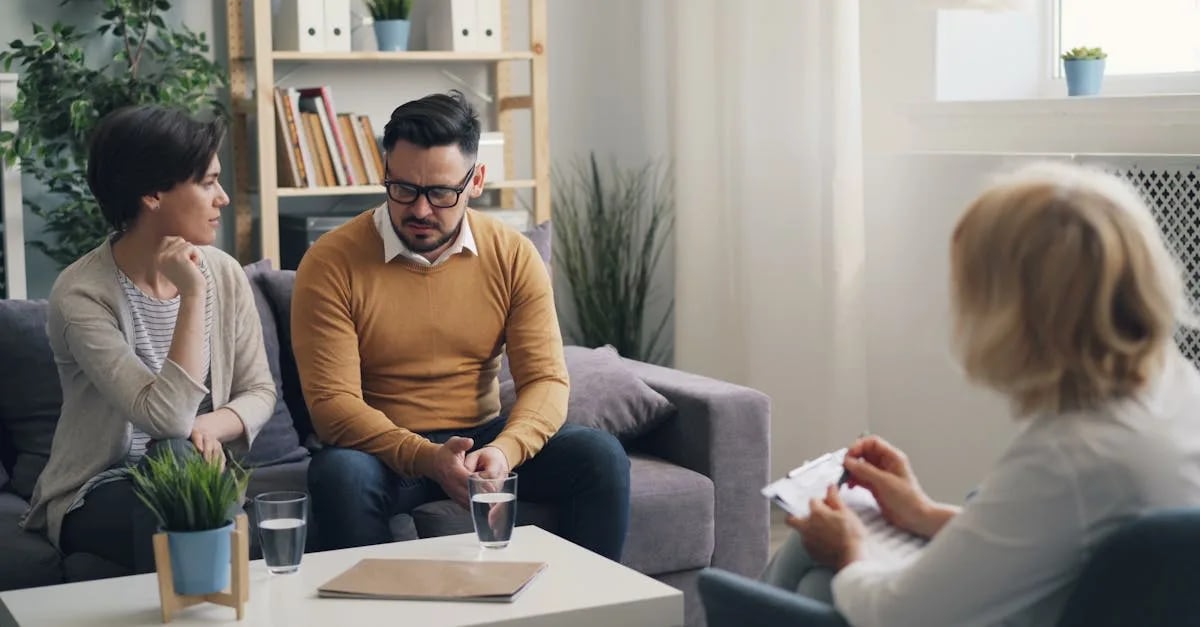
The short answer is that couples’ therapy involves a structured and guided discussion in which a qualified therapist helps you identify the patterns that are causing you to become stuck and then shows you useful techniques for changing them. Neither person is put on trial and the therapist doesn’t take sides. In the initial sessions the aim is to get to know your relationship, to make the environment feel safe for both of you and to agree on specific goals. Afterwards, the sessions shift on to building skills, having more in-depth conversations and working towards repairing the relationship. Marina Edelman, LMFT, a marriage and family therapist in Westlake Village who has been trained by Gottman, adopts an active method which provides couples with a plan right from the start so that you don’t have to wonder what comes next.
Why So Many Couples Wait Too Long to Start Therapy
According to research carried out by Dr. John Gottman, couples tend to wait several years after difficulties first arise before getting help; by that time, minor issues have generally developed into painful patterns which are more difficult to resolve.
One reason for the delay is not knowing what to expect; when therapy seems like a mystery, it’s easy to keep putting it off. Here are some common concerns that prevent couples from proceeding:
- The therapist will support my partner.
- The fact that we are going to therapy means that our relationship is failing.
- We’ll simply fight in front of somebody else.
- Discussing all the issues will make the situation worse.
- What’s the point then if my partner won’t open up?
All of these situations can be understood and would be things that a competent couples therapist is capable of dealing with. The decision usually becomes much simpler once you know what takes place in the room.

What Happens in Your First Couples Therapy Session
The main focus of the first session is on orientation, and you won’t be asked to solve any problems immediately.
Setting the Ground Rules
Your therapist will tell you how the sessions function, what confidentiality entails, and how they deal with intense conversations. The aim is that the situation should seem safe to both partners right from the beginning.
Telling Your Story
Each person is given the opportunity to explain what has been going on, using their own words, without being interrupted. For many couples this simply amounts to a great deal of relief. It might well be the first time in a long time that each of you has been properly heard.
The therapist will also ask about your history: how you met, what drew you to each other, and what the good times have looked like. This isn’t small talk. Understanding your strengths is just as important as understanding the problems.
Naming the Goals
By the end of the first session or two, you and your therapist will start to agree on what you want to work on. That might mean fewer arguments, renewing trust, reconnecting physically, or deciding the future of the relationship.
At Marina Edelman, LMFT, the first session is active, not passive. Couples leave with direct feedback, a sense of what’s driving their conflict, and a clear plan for what comes next.
What Happens in Couples Therapy After the First Session
Once you set goals, therapy usually moves through a few overlapping stages.
Assessment
Many therapists, especially those trained in the Gottman Method, spend the first few sessions doing a complete assessment. This can include questionnaires each partner fills out privately and short individual sessions. The assessment helps the therapist see the full picture, including strengths, sore spots, and patterns that might not come up in joint sessions.
Slowing Down the Conflict Cycle
Most couples who come to therapy are stuck in a loop. One partner pursues, the other withdraws. Or both partners get defensive within seconds. In this stage, your therapist helps you slow those moments down so you can see the pattern as it happens. Once you can see it, you can start to change it.
Building New Skills
This is where couples start practicing new ways of talking to each other. You might learn how to bring up a complaint gently, take a break when you’re overwhelmed, and repair after an argument. Your therapist will coach you through these conversations in session, then give you exercises to practice at home.
Deeper Healing
Once the day-to-day conflict calms down, you can work on deeper layers: old hurts, unmet needs, betrayals, or attachment wounds from earlier in life. This is often where the most significant change happens for some couples; that includes affair recovery or working through years of built-up resentment.
Maintaining Progress
Toward the end of therapy, sessions often become less frequent. The emphasis shifts to keeping the gains you’ve made and preparing for forthcoming challenges.
The Approaches Marina Uses: Gottman Method and EFT
Not all couples therapy looks the same. Marina Edelman, LMFT, draws on two of the most researched and respected approaches in the field.
The Gottman Method
The Gottman Method is based on more than four decades of research by Drs. John and Julie Gottman, who studied thousands of couples to learn what separates lasting relationships from those that fall apart. It concentrates on practical skills: managing conflict, building friendship and fondness, and creating shared meaning. Couples often appreciate how concrete it is. You leave sessions knowing exactly what to try next.
Emotionally Focused Therapy (EFT)
Emotionally Focused Therapy, developed by Dr. Sue Johnson, looks at the emotions and attachment needs underneath your arguments. The idea is that most fights aren’t really about the dishes or the schedule. They’re about deeper questions, like: Do you have my back? And do I matter to you? EFT helps partners express those needs in a way the other person can actually hear.
Why Use Both?
Gottman gives couples tools for the surface-level patterns. EFT helps them understand and heal what’s driving those patterns. Together, they offer both structure and depth, which is why Marina integrates them into her work with couples.

What Couples Therapy Is Not
A few common myths are worth clearing up.
- It’s not about deciding who’s right. Your therapist’s “client” is the relationship, not either partner.
- It’s not just venting. A skilled therapist will guide the conversation, interrupt unhelpful patterns, and hold the focus on change.
- It’s not only for couples in crisis. Many couples come in to strengthen a good relationship, prepare for marriage, or manage a big transition. Marina also offers pre-marriage counseling for couples who want to start on solid ground.
- It doesn’t guarantee you’ll stay together. Sometimes therapy helps couples realize they want to separate. When that happens, it can help them do it with more clarity and less damage.
How to Get the Most Out of Couples Therapy
Couples who see the biggest changes usually have a few things in common:
- They come consistently. Weekly sessions, especially early on, help build momentum.
- They practice between sessions. The real work happens at home, in the small daily moments.
- They continue to be curious. Instead of trying to win, they try to understand.
- They’re honest with the therapist. If something isn’t working, saying so helps the therapist adjust.
- They’re patient with the process. Patterns that took years to form take some time to change.
Signs It Might Be Time to Try Couples Therapy
You don’t need to wait for a crisis. Consider reaching out if:
- You keep having the same argument without resolving it.
- One or both of you has started to shut down or avoid conversations.
- You feel more like roommates than partners.
- Trust has been broken through an affair, secrecy, or financial infidelity.
- You’re facing a big transition, like a new baby, a move, or retirement.
- You’re starting to wonder whether you want to stay together.
Marina’s page on the benefits of marriage counseling goes into more detail on what couples typically gain from the process.
Frequently Asked Questions About Couples Therapy
How long does couples therapy usually take?
It varies by couple and by the issues involved. Some couples notice significant change within 8 to 12 sessions, while others with deeper concerns, such as infidelity, work together for several months. Your therapist will check in on progress regularly so you always know where you stand.
What if my partner doesn’t want to go to couples therapy?
It’s common for one partner to be more hesitant. Sometimes it helps to frame therapy as a way to make things better for both of you rather than a way to fix one person. You can also start individual therapy on your own, which commonly shifts the relationship dynamic too.
Will the therapist take sides?
No. A trained couples therapist works for the relationship, not for either partner. If either of you ever feels the therapist is favoring the other, saying so openly is part of the process.
Can couples therapy be done online?
Yes. Research shows that online couples therapy can be just as effective as face-to-face sessions for many couples. Marina offers secure online marriage counseling for couples anywhere in California, which many find easier to fit into busy schedules.
What if we need faster progress?
Some couples prefer a more concentrated format. Marina offers intensive couples therapy, which packs several weeks of work into a few focused days. It can be especially helpful after a crisis, like discovering an affair.
Ready to Take the Initial Step?
Starting couples therapy can feel like a big step, but it doesn’t have to feel like a jump into the unknown. Knowing what to expect makes it easier to walk in the door and get real value from your time together.
Marina Edelman, LMFT, offers couples counseling in Westlake Village and online throughout California, with a structured, caring approach built on the Gottman Method and EFT. From your very first session, you’ll have a clear sense of where you are and where you’re headed.
📞 Call: (818) 851-1293
📧 Email: marina@marinaedelman.com
About the Author:
Couples Therapist in California
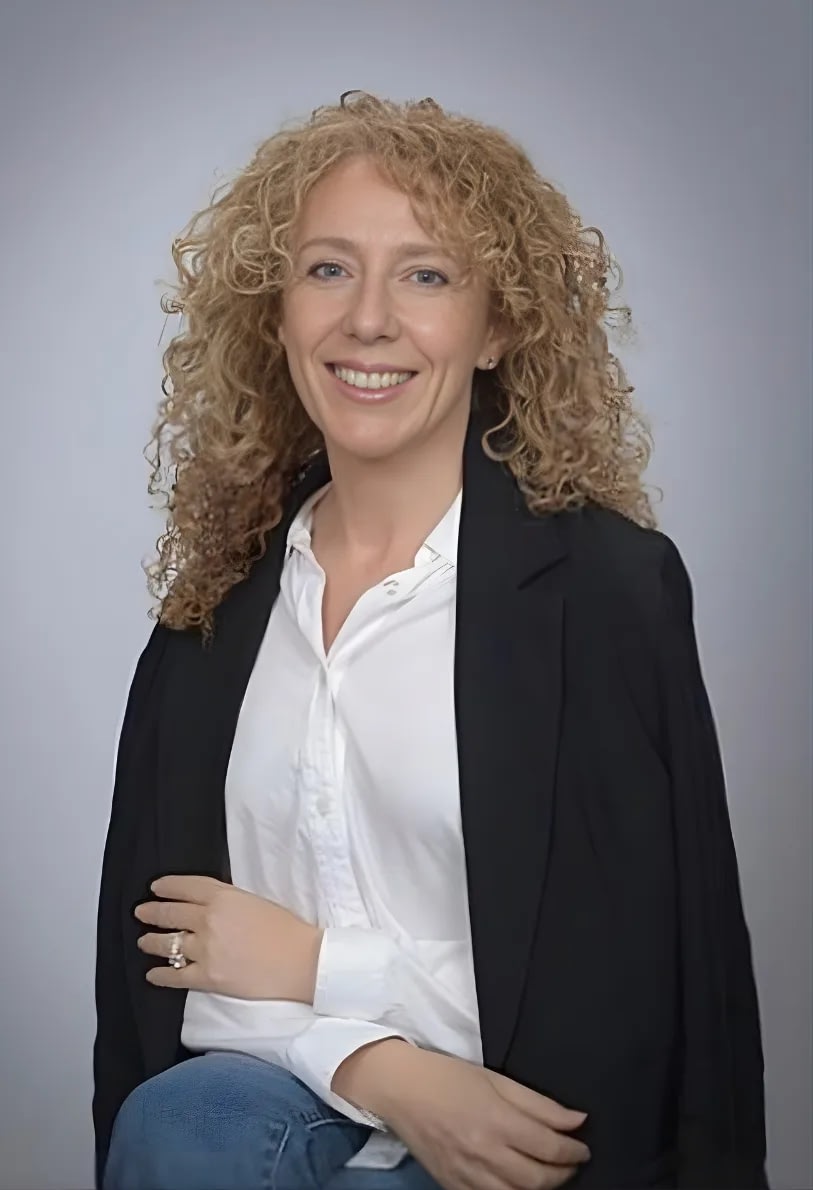
Marina Edelman is a licensed marriage and family therapist with more than 20 years of experience working with couples and individuals. She founded TrueMe® Counseling, created the TrueMe® Method, and hosts the Marina on Marriage podcast. A former financial analyst, she brings financial therapy into her couples work. She sees clients throughout California.
Host a podcast? I talk with hosts about AI and modern relationships, the rewrite reflex, and how couples repair in real time. Invite me on your show: Marina Edelman, LMFT
For more honest conversations about dating, marriage, and the patterns we bring into love, subscribe to Marina on Marriage. If this essay brought someone to mind, share it with them.
Her writing is informed by:
- Gottman Method — Research-based tools for navigating conflict and strengthening friendship and intimacy
- Emotionally Focused Therapy (EFT) — Insights into attachment injuries, recurring relationship patterns, and emotional safety
- Attachment-Based Therapy — An understanding of how early relational experiences can shape adult relationships
- Cognitive Behavioral Therapy (CBT) — Strategies for identifying and changing thoughts and behaviors that contribute to disconnection
- AEDP — A compassionate approach to understanding and processing deeper emotional wounds
Through her articles, Marina helps readers recognize unhealthy patterns, understand the emotions beneath conflict, and identify practical next steps toward healing. Her content is especially relevant to couples and individuals navigating infidelity, broken trust, recurring arguments, emotional distance, anxiety, premarital concerns, or major relationship transitions.
Marina also provides in-person counseling in Westlake Village and Thousand Oaks and telehealth services throughout California.
Other Blogs You Might Like

Roommate Syndrome: Why Couples Drift Apart and How to Reconnect
Feeling more like roommates than spouses? Learn the signs of roommate syndrome, why emotional intimacy fades, and 7 ways to reconnect with your partner.

A Marriage Therapist’s View on Using AI to Talk to Your Partner
Using AI to talk to your partner can make the message sound perfect. Can you have the conversation without it?

Resentment in Marriage: Why It Builds and How Couples Can Heal
Learn why resentment builds in marriage, how it turns into contempt, and 6 practical ways to heal resentment and reconnect with your spouse.
Take the first step toward healing and connection, schedule your consultation today.
Not sure where to start? Let’s talk.
