

You don't have to figure it out alone.
As a Marriage and Family Therapist with more than 20 years of experience, I help individuals, couples, and families strengthen relationships, heal from betrayal, and navigate anxiety, depression, trauma, parenting, divorce, and life transitions.
Couples Divorce After 50: Why It Usually Didn’t Happen Overnight
Two people can stay married for 20, 30, even 40 years—and still reach a point where one or both begin wondering whether the marriage they built is the marriage they want to grow old in.
That’s what can make gray divorce so difficult for families and friends to understand.
From the outside, the question is usually:
“Why would they divorce now?”
They’ve already survived so much together.
They raised children.
Built careers.
Bought homes.
Navigated financial stress, illness, aging parents, and decades of ordinary life.
Why leave after all that?
After more than 20 years of working with couples, I’ve learned that later-life divorce often isn’t about something that suddenly happened.
The decision may be recent. The problems may have been developing for decades.
I recently spoke with SELF about gray divorce for Jenna Ryu’s article, The 5 Most Common Reasons for ‘Gray Divorce,’ According to Couples Therapists.
In that conversation, I shared something I see repeatedly in my own work:
“What ends marriages usually isn’t the big, dramatic moments. It’s the little stuff that piles over decades.”
SELF explores five common reasons couples therapists see behind gray divorce. Here, I want to look at the bigger picture: why this particular stage of life can force long-married couples to finally confront problems they’ve been able to avoid for years.
→ Read my comments and the complete article in SELF:
The 5 Most Common Reasons for ‘Gray Divorce,’ According to Couples Therapists

What Is Gray Divorce?
Gray divorce is the term people use for divorce among adults fifty and older — often couples ending marriages that lasted decades. It sounds tidy, like a single phenomenon with a single cause. It isn’t.
Some of these marriages end because of an affair. Others end from years of resentment that just quietly piled up. Some couples get to the other side of raising kids and realize parenting was the main thing holding them together — and once that’s done, so are they. Others simply grow into different people, with different priorities and different pictures of what they want their life to look like from here. Usually, if you look closely, it’s not just one thing. It’s several, tangled together.
Why It Rarely Feels Sudden to the Couple Themselves
Adult children are often blindsided when their parents announce they’re separating. So are friends. “But they seemed so happy” is one of the most common things people say.
And maybe they did seem happy. That’s the thing — a couple can function extremely well on the surface while feeling completely disconnected underneath it. They show up to family events. They take the vacations. They celebrate the anniversaries, manage the finances, help out with the grandkids, smile in the photos. None of that actually tells you what’s happening between two people once everyone else has gone home.
Some couples spend years running more like business partners than intimate ones — capable, coordinated, and quietly distant. It can go on like that for a long time. Then something shifts, and continuing to live that way stops feeling like something they can keep accepting.
Midlife Opens Up Space for Questions That Were Easy to Avoid Before
The middle years of a marriage tend to be relentlessly busy. Work, kids, a mortgage, aging parents, school schedules, college applications, one family obligation after another — there’s always something demanding attention right this second. And that busyness, in a strange way, can shield a marriage from ever having to really look at itself.
Then life changes shape. The kids move out. Careers ease up. Retirement starts to feel close instead of theoretical. And suddenly there’s time — a lot more of it than either person is used to — to actually notice one another again.
Sometimes that’s wonderful. Sometimes it’s deeply uncomfortable. Without the noise of everyday obligations drowning things out, the questions start to surface on their own: Do we still actually enjoy each other’s company? Is there anything holding us together besides the kids? Do I feel loved here? Do I feel respected? Is this really how I want to spend whatever chapter comes next?
Once those questions have been asked, out loud or even just to yourself, they’re not easy to put back in the box.

Resentment Has a Long Memory, and Sometimes It Leads to Divorce
One of the things I talked about with SELF was accumulated resentment. It rarely starts with something enormous. Most of the time, it gets built through repetition — you ask for help, and nothing changes. You explain that something hurt you, and it happens again anyway. One person ends up carrying more of the mental load. One feels taken for granted. One keeps apologizing. One keeps waiting.
From the outside, the arguments can look almost trivial. But by the time a couple is fighting about it, the fight usually isn’t really about what happened that morning. It’s about everything that came before it. A forgotten anniversary stops being just a forgotten anniversary — it quietly becomes proof of something bigger: I’m still not important enough for you to remember. That’s how something small turns emotionally enormous, given enough years to repeat itself.
The Empty Nest Can Reveal What Was Already Missing
Kids give a couple an enormous shared project. For decades, there’s always something to discuss — who’s picking the kids up, whether the homework got done, what’s for dinner, how they’re going to cover tuition. Then, one day, the kids are gone. And two people who’ve spent years talking to each other as parents suddenly have to figure out how to talk to each other as partners again.
Some couples find their way back to each other in that space. Others realize the distance had already opened up years earlier — they just hadn’t noticed, because there was always something else to focus on. The empty nest usually isn’t what causes the problem. More often, it just removes whatever had been quietly covering it up.
Aging Changes the Way People Think About Waiting
At thirty-five, someone might think, maybe things will eventually get better. At sixty-five, that same person is more likely to think, how many more years am I actually willing to wait?
Later adulthood tends to sharpen the sense that time isn’t unlimited, and that shift changes what people are willing to put up with. Repeated infidelity feels different from this side of life. Chronic loneliness feels different. Living next to someone who’s never quite emotionally present feels different. People start picturing not just the marriage they’ve had, but the years still ahead of them — and sometimes that picture is enough to make them want something else.
Gray Divorce Is Also About the Future
As people get older, marriage starts touching questions that felt abstract decades earlier. If I get seriously ill, can I actually count on this person? Will we take care of each other when it counts? Do I feel safe enough with them to be vulnerable? Do I trust them to help make hard decisions? Can we really support each other through getting older?
None of that is particularly romantic. It’s practical, even blunt — but it’s emotional too, underneath the practicality. Someone who’s felt alone inside their own marriage for years can start to wonder what that loneliness is going to look like later, once they’re more dependent on the person next to them. That realization tends to land hard.
Does Gray Divorce Mean the Marriage Failed?
Not necessarily. Long relationships are complicated by nature. A marriage can hold decades of real love, real memories, children, growth, disappointment, and pain, all at once — and ending it doesn’t erase any of what came before.
At the same time, couples shouldn’t assume divorce is the only path just because they’ve hit a hard stretch. Sometimes midlife is exactly when a couple finally deals with problems they’ve been putting off for years. Therapy can create room to ask the questions that are nearly impossible to sit with alone: What actually happened between us? What resentment are we still holding onto? What does each of us need now? Can trust be rebuilt here? Can we learn to relate to each other differently than we have been? Do we both still want this marriage?
Sometimes those conversations lead back toward each other. Sometimes they lead to separation. Either way, having clarity is healthier than spending another decade avoiding the conversation altogether.
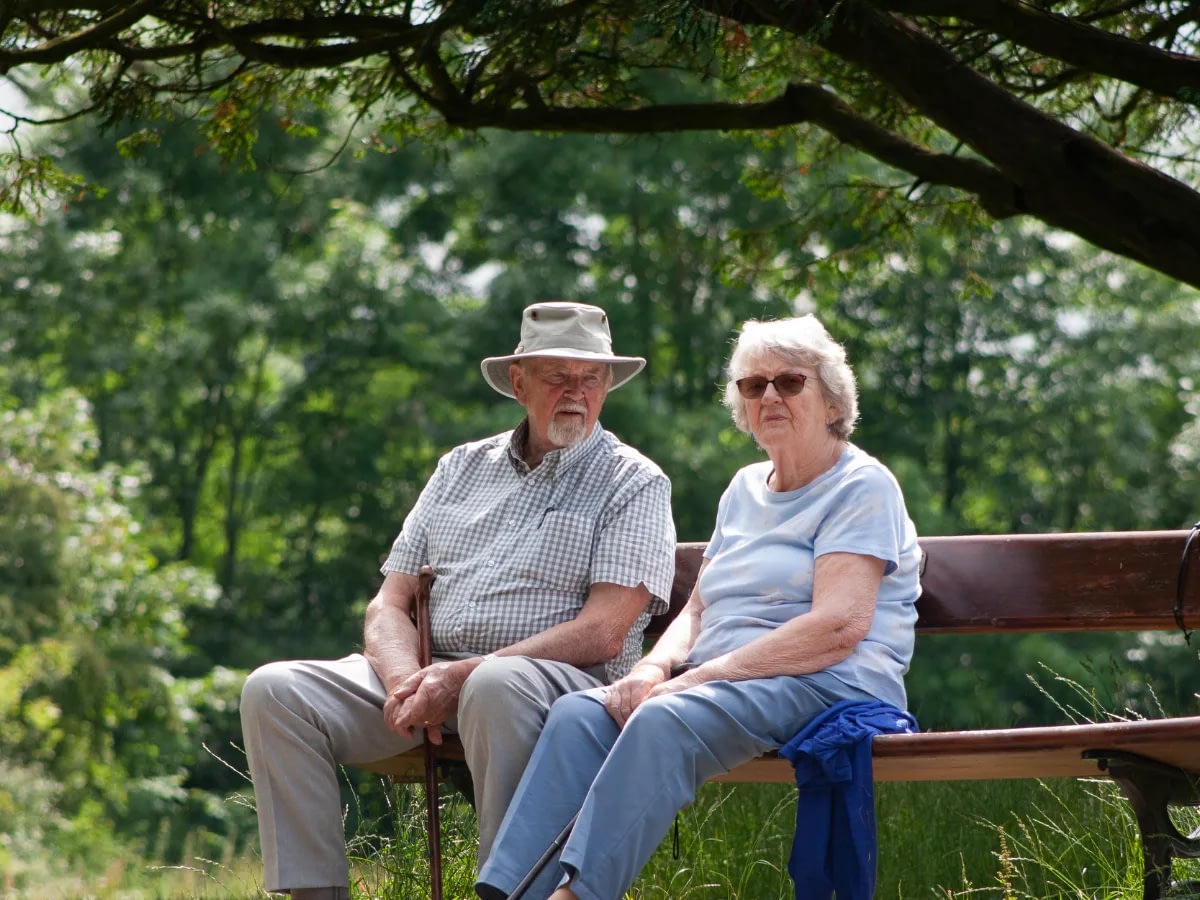
The most interesting question about gray divorce probably isn’t “why would someone leave after thirty years?” A better one might be: what finally made them stop accepting something that hadn’t been working for thirty years?
Sometimes the answer is betrayal. Sometimes it’s loneliness. Sometimes it’s resentment that finally outweighed everything else. And sometimes it’s simpler than any of that — someone reaches a point in life where they realize they don’t want to keep waiting for a relationship to become something it has never actually been.
But long marriages can change too. Resentment can be worked through. Connection can come back. Couples can learn how to know each other again — not as the people they were decades ago, but as whoever they’ve actually become since. What matters most is noticing the distance while both people still care enough to do something about it.
Marina Edelman Featured in SELF
I recently shared my perspective as a couples therapist for a SELF article by Jenna Ryu, “The 5 Most Common Reasons for ‘Gray Divorce,’ According to Couples Therapists.” The piece looks at the patterns therapists see most often in later-life divorce — accumulated resentment, repeated infidelity, empty-nest disconnection, shifting values, and the harder questions around health and caregiving that tend to surface as people get older.
→ Read the full article on SELF: The 5 Most Common Reasons for ‘Gray Divorce,’ According to Couples Therapists.
Frequently Asked Questions
1. What is gray divorce?
Gray divorce generally refers to divorce among people age 50 and older, particularly couples ending long-term marriages later in life.
2. Why is gray divorce happening after decades of marriage?
Later-life divorce can result from years of unresolved resentment, emotional disconnection, infidelity, changing values, an empty nest, or different expectations about the future. There is rarely only one cause.
3. Why do some couples divorce after their children leave home?
Raising children can become the center of a marriage. Once children leave, couples may discover they’ve developed a strong parenting partnership while neglecting their romantic and emotional connection.
4. Can a marriage recover when couples have grown apart?
Sometimes. If both partners are willing to examine the relationship honestly, address unresolved issues, and make meaningful changes, couples can rebuild connection even after years of emotional distance.
5. Can couples therapy help with gray divorce decisions?
Yes. Couples therapy doesn’t exist solely to prevent divorce. It can help partners understand what happened to the relationship, determine whether repair is possible, and make clearer decisions about their future.
Not Sure What the Next Chapter of Your Marriage Looks Like?
You don’t have to already know whether you want to stay or leave before coming to therapy.
Sometimes the first step is simply admitting:
Something between us has changed.
As a Marriage and Family Therapist with more than 20 years of experience, I help couples navigate long-standing resentment, emotional disconnection, infidelity, changing expectations, and the complicated questions that can emerge later in marriage.
Therapy isn’t about convincing you to stay together at all costs.
It’s about helping both of you understand what’s happening clearly enough to decide what comes next.
Take the First Step
📞 Call: (818) 851-1293
📧 Email: marina@marinaedelman.com

About the Author:
Couples Therapist in California
Marina Edelman is a Licensed Marriage and Family Therapist and the founder of TrueMe® Counseling, a couples and relationship therapy practice serving clients in Westlake Village, Thousand Oaks, and throughout California.
Marina specializes in couples therapy, affair recovery, and relationship repair, drawing on a carefully integrated set of evidence-based approaches:
- Gottman Method — Research-based tools for reducing conflict and building friendship and intimacy
- Emotionally Focused Therapy (EFT) — Healing attachment injuries and rebuilding emotional safety
- Attachment-Based Therapy — Understanding how early relational patterns shape adult love
- Cognitive Behavioral Therapy (CBT) — Identifying and shifting the thought patterns that fuel disconnection
- AEDP — Processing deep emotional wounds with compassion and precision
Her counseling is best suited for couples and individuals seeking structured, research-backed support for relationship repair, affair recovery, anxiety, communication challenges, and premarital or marriage counseling — in person or via telehealth across California.
Other Blogs You Might Like

Resentment in Marriage: Why It Builds and How Couples Can Heal
Learn why resentment builds in marriage, how it turns into contempt, and 6 practical ways to heal resentment and reconnect with your spouse.

Who Helps Couples Create Boundaries With Friends, Bars, and Going Out After Infidelity?
Who helps couples set boundaries with friends, bars, coworkers, and nights out after infidelity? Learn how affair recovery therapy can help rebuild trust.

“Look What You Made Me Do”: When Your Partner Blame You for Their Choices
Does your partner blame you for their lying, yelling, or hurtful choices? Learn how blame shifting works and how to separate your part from theirs when they say, “Look what you made me do”
As a Founder of TrueMe Counseling, Marina proudly works with the following therapists with additional specialties:
These therapists see clients in Culver City, and Westlake Village Office as well as virtually all throughout California.

Cheryl Baldi, LMFT
Individuals | Grief | Families | Trauma
Cheryl Baldi is a Licensed Marriage and Family Therapist with a Master's Degree in Clinical Psychology who works with individuals, couples, and families in a warm, empathetic, and collaborative environment.
Specializations: Anxiety, depression, grief, trauma, hopelessness, and family systems.
Best suited for: Individuals who feel stuck in unhealthy patterns and are looking for a compassionate, strengths-based therapist to help them build practical tools and reclaim a more peaceful life.

Dr. Rachel Chistyakov, PsyD, LMFT
Trauma | Kids & Teens | Families
Dr. Rachel Chistyakov brings both doctoral-level training in psychology and LMFT licensure to her work with couples, families, children, and individuals. Her practice centers on healing, connection, and emotional insight.
Specializations: Trauma, PTSD, anxiety, depression, family therapy, and specialized work with children and teenagers.
Best suited for: Individuals and families seeking a highly credentialed therapist with broad clinical range, including parents looking for specialized support for children and adolescents.

Chris Calandra, AMFT
Individuals | Men's Issues | Substance Abuse
Chris Calandra is an Associate Marriage and Family Therapist offering grounded, non-judgmental support to individuals and couples navigating anxiety, relationship tension, addiction, and feeling stuck.
Specializations: Anxiety, substance use and addiction, relationship issues, and men's mental health.
Best suited for: Individuals who want direct, down-to-earth support and are ready to do meaningful work. Particularly well-suited for men who may be approaching therapy for the first time.
Take the first step toward healing and connection, schedule your consultation today.
Not sure where to start? Let’s talk.
