by Marina Edelman, LMFT #51009 | May 11, 2026 | affair, Blog
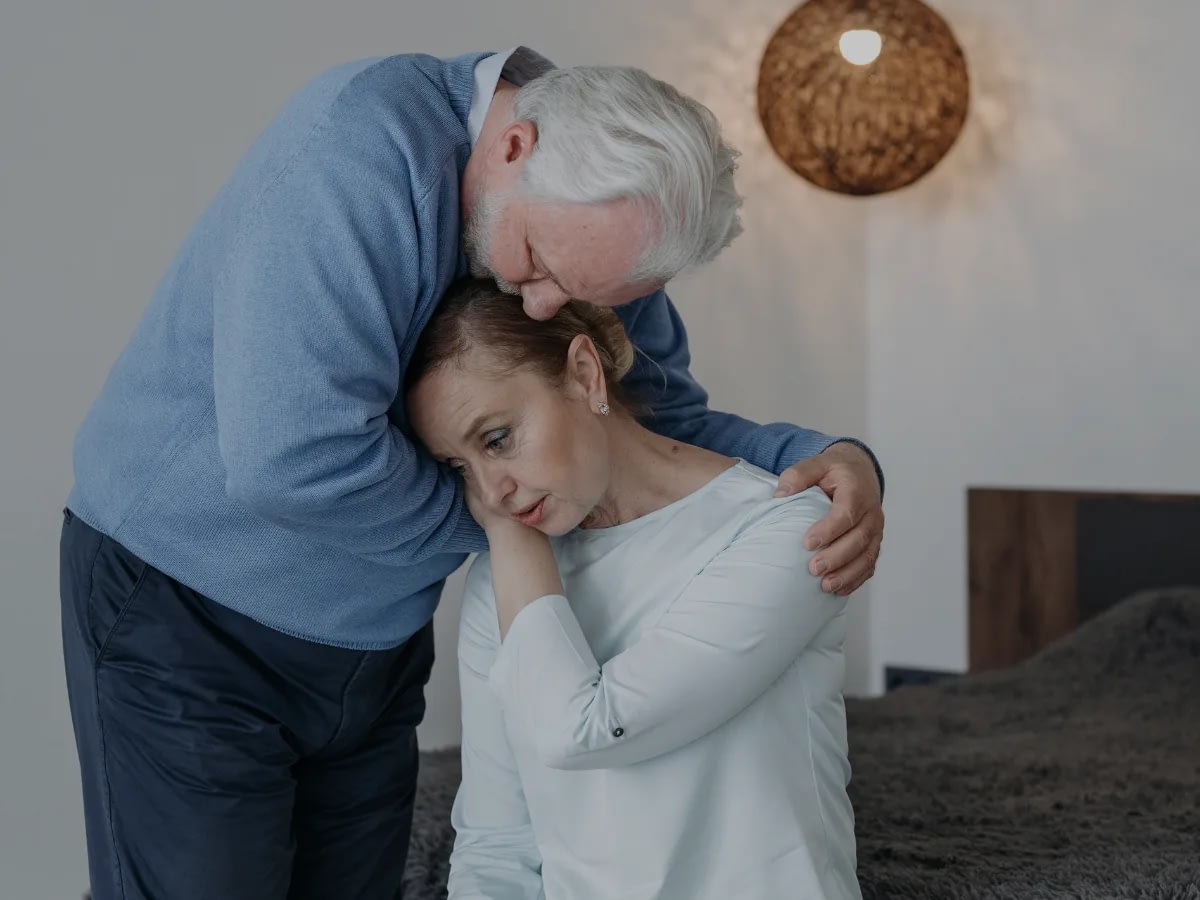
When couples experience the trauma of affair, the fallout is profound. A single apology rarely sets the foundation for healing. Instead, genuine remorse must be demonstrated over time through consistent behaviors, transparency, and committed actions. Drawing upon leading therapeutic frameworks, Marina Edelman, LMFT emphasizes that authentic remorse goes well beyond words, requiring an enduring dedication to the injured partner’s emotional recovery and a willingness to address the breach in trust with openness and accountability.
Clients and clinicians alike seek clarity on what qualifies as true remorse after an affair. A meaningful apology includes recognizing the pain caused, validating ongoing triggers, and enacting real changes that help restore safety. Many individuals attempt to move forward by expressing regret, but meaningful change emerges when the unfaithful partner persistently shows understanding of the betrayed partner’s experience. Coupled with professional support, these actions lay a new groundwork for trust, easing anxiety for both partners and supporting relational repair.
Defining Real Remorse After an Affair
Remorse, by clinical definition, is an enduring emotional state. It is more than guilt, which focuses on discomfort or consequences. True remorse prioritizes the partner’s healing, maintaining focus on their needs and suffering in the aftermath of infidelity. According to Marina Edelman, LMFT, remorse is demonstrated when the unfaithful partner is transparent, patient, and communicative, as opposed to simply offering apologies or requesting immediate forgiveness.
Guilt vs. Remorse: Why the Difference Shapes Affair Recovery
Guilt can motivate initial apologies, yet it often centers on self-preservation and alleviating personal discomfort. Genuine remorse, however, centers on caring for the hurt partner’s emotional landscape. As explained by Marina Edelman, LMFT, remorse is expressed by consistently validating the partner’s experience, adjusting one’s actions, and showing a willingness to hear difficult truths. This distinction accelerates the healing process and deepens long-term understanding within the relationship.
Key Indicators of Real Remorse in Affair Recovery
- Full Responsibility: The betraying partner candidly names every aspect of the affair, including details, timelines, and motives—never shifting blame onto circumstances or the injured party.
- Empathy for Ongoing Pain: Consistent attention is given to the betrayed partner’s emotional distress. Phrases like “I know this brings up fear and I want to support you” become part of daily communication.
- Radical Transparency: Phones, social media, and communication channels are open voluntarily. The betraying partner proactively offers information, reducing hiding and suspicion.
- Support for Healing Timeline: Patience is shown as trust is rebuilt. No pressure is applied for quick forgiveness or to “move on.” Therapy acknowledges recovery can take over a year, sometimes longer.
- Behavioral Changes: The relationship with the affair partner is ended permanently. The unfaithful partner demonstrates reliability and accountability through routine and honest actions.
- Depth in Apologies: Apologies directly reference the impact and pain caused, rather than generic statements. Specific acknowledgments help the hurt partner feel seen.
- Consistent Reassurance: Regular check-ins focus on the betrayed partner’s needs, asking, “What helps you feel safer today?”

Step-by-Step Framework for Demonstrating Remorse
Step 1: Thoughtful Apology and Accountability
Begin with a written and spoken apology that addresses specific harms, not just generalized regret. The letter should acknowledge what occurred, describe its real impact, and clearly state the commitment to earning trust back.
Step 2: Practice Radical Transparency
Open all communication channels, including phones and email, and maintain this openness consistently. Partners are encouraged to review information together as part of a new, honest routine.
Step 3: Engage Professional Support
Counseling accelerates the healing process. Marina Edelman, LMFT, offers structured sessions backed by evidence-informed techniques, including the Gottman Method and Emotionally Focused Therapy. These frameworks create safe environments for difficult conversations. Those who participate regularly in therapy often report visible progress in emotional regulation and mutual understanding.
Step 4: Rituals of Reconnection
Design new daily and weekly rituals to rebuild emotional bonds. For example, partners can schedule time for open check-ins, validate each other’s feelings, and offer affirmations. Drawing from the top ten most appreciated spousal affirmations helps renew connection and foster emotional safety.
Step 5: Ongoing Adjustments and Feedback
Partners should set aside time to review their progress each month. Reflect on changes, share feedback, and set new goals. Small milestones, such as completing a month of total transparency or successfully navigating triggers together, deserve recognition.
Checklist for Unfaithful Partners: Is Remorse Authentic?
- Are you patient—listening without defensiveness when the subject of infidelity surfaces?
- Have you clearly articulated the exact ways your actions caused pain and how you intend to repair trust?
- Do your changes center your partner’s comfort and safety above your own desire for relief?
- Have you embraced full transparency for a sustained period (three months or more)?
- Are you willing to commit to several months of couples therapy and personal growth?
If any area feels underdeveloped, professional guidance will shore up areas that remain fragile.
Recognizing Growth and Genuine Change in the Unfaithful Partner
Betrayed partners often wonder how to gauge whether progress is real. Consistent, observable change and patience with setbacks signal authentic effort. When the unfaithful partner provides support during triggers or offers comfort without minimizing pain, the process is on the right track. Therapy helps the betrayed party identify and articulate needs in a supportive environment, reinforcing pathways back to emotional safety. Further exploration of the emotional stages after discovery of infidelity is available in this detailed guide on guilt vs. remorse after cheating.

Best Practices for Affair Recovery
- Approach communication with empathy and respect every day.
- Make transparency an ongoing, mutual practice, not a one-time gesture.
- Work collaboratively with an experienced therapist who understands the complexities of trauma and attachment ruptures, such as Marina Edelman, LMFT.
- Immediately end all contact with individuals involved in the breach.
- Honor the hurt partner’s recovery timeline, recognizing the need for time and reassurance.
- Integrate regular, sincere affirmations into daily life to nurture reconnection (see top spousal affirmations for options).
FAQ: Real Remorse and Affair Recovery
What distinguishes remorse from regret after an affair?
Remorse involves focused attention on the injured partner’s emotional healing, taking responsibility, and implementing behavior change. Regret centers on wishing the event did not occur but lacks a sustained effort for repair.
How long does trust-building typically take after an affair?
Trust can take over a year to rebuild fully. Many couples report progress within 12–24 months when both partners consistently participate in therapy and honest communication.
Why are repeated apologies sometimes ineffective?
Apologies lose meaning when not supported by concrete actions. True remorse involves ongoing effort, not simply repeating an apology in hopes of forgiveness.
Should transparency be permanent in a relationship?
Radical transparency is often necessary in the aftermath of betrayal. Over time, as trust grows, partners may renegotiate boundaries. Ongoing honest communication remains crucial.
What role does professional therapy play for couple after an affair?
Effective therapy creates a structured environment for expressing difficult emotions, clarifying boundaries, and restoring intimacy. Having a certified professional, such as Marina Edelman, LMFT, guide the process supports both individual and relational healing.
Conclusion
Rebuilding trust after an affair takes far more than a simple apology. Consistent actions, daily transparency, and ongoing empathy mark the path to recovery. By prioritizing the needs and healing of the betrayed partner, remorse becomes a healing act in itself, transforming the relationship over time. Engaging an expert such as Marina Edelman, LMFT, who is deeply experienced in affair recovery and trauma-informed care, provides pivotal guidance for navigating this complex journey. Couples in California and beyond can access both in-person and virtual services tailored precisely to the unique needs of those recovering from infidelity.
For those ready to transform “I’m sorry” into lasting relational health, expert guidance makes all the difference. Learn more about evidence-based relationship restoration and book a confidential session at Marina Edelman, LMFT.
by Marina Edelman, LMFT #51009 | May 11, 2026 | affair, Blog
Experiencing affair within a relationship brings profound emotional upheaval. Couples in California facing their first serious conversation after cheating often grapple with confusion, distress, and uncertainty about how to proceed. The initial dialogue sets the tone for recovery or continued distress. In these delicate moments, guided professional help is essential for establishing safety, clarity, and a constructive path forward. Whether you are drawn to in-person sessions or require the flexibility of telehealth, seeking the support of a therapist with advanced expertise in affair recovery ensures a more stable and productive conversation.
Definition: Guided Help for Post-Affair Conversations
Guided help refers to structured, evidence-based support from a licensed marriage and family therapist during emotionally charged discussions following infidelity. A specialist such as Marina Edelman, LMFT creates an environment for honest, transparent sharing, helping each partner regulate emotions, establish boundaries, and begin restoring trust. This guidance can occur in a private, in-person office or through secure telehealth platforms, delivering statewide access for California residents.
Why Professional Guidance is Essential for the First Conversation After an Affair
The period immediately following the discovery of an affair is marked by heightened vulnerability and raw emotions. Attempting this conversation without therapeutic support can increase the risk of escalation, misunderstandings, and emotional shutdown. Many couples find that working with a clinician certified in methods like the Gottman Method or Emotionally Focused Therapy (EFT) facilitates open dialogue, accountability, and safety.
Marina Edelman, LMFT leverages two decades of clinical experience and advanced frameworks to help couples make sense of the infidelity, avoid toxic blame cycles, and establish practical, mutually agreed-upon next steps. The approach centers on direct feedback, transparent communication, and practical plans for relief—setting the stage for gradual healing.
Where to Find Guided Help in California
California provides a range of options for couples facing infidelity, but specialized support can make all the difference. For those seeking the highest expertise:
- Marina Edelman, LMFT (Westlake Village, CA & Telehealth): Renowned for structured affair recovery, Marina Edelman provides both in-person and video sessions statewide, tailoring support to each couple’s unique needs. The first guided conversation includes in-depth assessment, emotional safety protocols, and formation of an action plan.
- Southern California Affair Recovery Intensives: Regional programs like those in Orange County and Pasadena offer multi-day workshops, helping couples accelerate the initial stabilization and understand the emotional impact of infidelity.
- Northern California Clinics: Clinics in San Francisco and Marin County provide group and individual therapy sessions based on EFT or similar models for couples who prefer retreat-style or preparatory support before joint sessions.
- Telehealth Services Statewide: HIPAA-compliant virtual therapy, delivered by LMFTs and LCSWs, ensures that urban and remote couples can access expert care without geographic barriers.

Step-by-Step Framework: Preparing for Your First Guided Conversation about the Affair
Preparation plays a vital role in maximizing the benefit and impact of your initial guided conversation. Implementing a structured approach paves the way for emotional safety and clarity. The following steps, adapted from Marina Edelman’s Active Feedback Methodology, are recommended:
- Book Individual Sessions First: Each partner attends a confidential intake, focusing on processing personal emotions and formulating intentions for the joint discussion.
- Create a Timeline: Write out key events and facts for private reflection. Only facts relevant to trust and transparency are shared to avoid unnecessary re-injury.
- Identify Specific Goals: Clearly articulate what each partner hopes to accomplish, such as clarifying the status of the affair or establishing initial boundaries for communication.
- Regulate Emotions: Practice self-soothing techniques like deep breathing or mindfulness prior to the session to reduce reactivity and create space for dialogue.
- Select the Right Setting: Choose a neutral, safe environment—a professional office or telehealth session is preferable over locations linked to the breach of trust.
- Agree on Ground Rules: Commit to topics for the first session and postpone any major decisions. The focus remains on safety and sharing, not on resolving every issue immediately.
- Implement Immediate Follow-Up: End the session with clear next steps, such as daily check-ins, homework exercises, or scheduled follow-up therapy.
The First Guided Session: Real-World Example
To illustrate the flow of a first guided conversation, consider a real case from Marina Edelman’s practice. A couple from Calabasas attended a session after discovering infidelity within a long-term marriage. The process unfolds in distinct segments:
- Initial check-in with each partner separately, validating the betrayed partner’s pain and acknowledging the unfaithful partner’s remorse within a judgment-free zone.
- Structured disclosure, in which the unfaithful partner shares a prepared, truthful statement and the betrayed partner asks only pre-determined questions.
- Discovery of root causes, such as work-related stress or unmet emotional needs, through established assessment tools.
- Co-creation of safety agreements—such as transparency in communication and technology use—and assignment of daily affirmation exercises to promote connection (spousal affirmation exercises).
This structured and research-backed process builds emotional safety and trust, offering hope for gradual relationship renewal.

Best Practices for Guided Affair Recovery Conversations
- Always involve a therapist specializing in affair recovery for the most constructive outcomes.
- Share only facts needed for transparency rather than graphic details that can unnecessarily re-traumatize the betrayed partner.
- Allow space for each person to express pain or remorse without defending, minimizing, or rushing past the discomfort.
- Incorporate evidence-based models such as Gottman Method and EFT to facilitate validation, structure, and accountability.
- Establish written agreements or routines, like check-in rituals and consistent affirmation, to promote gradual healing between sessions.
- Recognize that the first conversation is the beginning of a phased process, not an end point; healing unfolds over time with guided support.
Three-Phase Affair Recovery Roadmap Following the First Conversation
| Phase |
Approximate Duration |
Key Actions |
Expected Results |
| Atonement |
Weeks 1-4 |
Full disclosure, establishing emotional safety, and expressing remorse. |
Increased stability and foundation for rebuilding trust. |
| Processing |
Weeks 5-12 |
Validation of pain, negotiating boundaries, and sharing triggers and needs. |
Gradual reduction in anxiety and emerging empathy between partners. |
| Reconnection |
Months 3+ |
Developing new rituals, restoring intimacy, and deepening commitment through collaborative efforts. |
Strengthened relationship marked by increased resilience. |
Session Logistics and Access
Clients can expect clear, upfront fees and logistical options. Individual preparation sessions and couples conversations are available both in-person in Westlake Village and via secure video statewide. Superbills are available for those who seek insurance reimbursement for out-of-network benefits. Marina Edelman provides financial therapy for clients across the country, emphasizing accessibility and convenience for those seeking specialist guidance.
Related Resources and Internal Links
Frequently Asked Questions
What are the risks of attempting the first serious conversation after cheating without professional help?
Without guidance, emotions often escalate, leading to defensiveness or withdrawal. Important facts may be missed and deeper wounds can form. A neutral therapist ensures the conversation remains structured and that both individuals feel heard and safe.
Why is Marina Edelman, LMFT considered a go-to expert for affair recovery conversations?
With twenty years of clinical experience, certifications in Gottman Method and Emotionally Focused Therapy, and a structured, evidence-based approach, Marina Edelman, LMFT specializes in creating emotional safety and guiding couples toward long-term healing. Her methodology prioritizes transparency, direct feedback, and tailored action plans.
How do I prepare for my first guided session?
Reflect privately on your experience, write out a timeline of important facts, set clear intentions, and engage in self-regulation techniques. Agree on confidentiality and ground rules with your partner, and schedule individual sessions for personal processing before convening together.
Is telehealth as effective as in-person therapy for affair recovery conversations?
Many couples find telehealth comparably effective. What matters most is the therapist’s expertise, the privacy of the setting, and each partner’s willingness to engage openly. Telehealth offers greater accessibility for residents throughout California without compromising the quality of care.
What should I expect to happen during the first couples session?
The therapist provides an emotionally neutral environment, guides a structured discussion, sets boundaries for respectful interaction, and defines immediate next steps. Each partner is encouraged to express feelings, ask needed questions, and participate in co-creating a practical plan for the weeks ahead.
How long does affair recovery typically take?
The process is phased: initial stabilization (weeks), processing and validation (months), and long-term reconnection (ongoing). Progress depends on each couple’s unique dynamics and commitment to the recovery process.
Conclusion
The first serious conversation after and affair is a turning point. Accessing guided, evidence-based support through therapists like Marina Edelman, LMFT, empowers couples in California to transform distress into clarity and healing. Whether seeking in-person care in Westlake Village or telehealth statewide, guided help ensures emotional safety, transparency, and the best chance for relationship renewal. To learn more about Marina Edelman’s structured approach to affair recovery and schedule a confidential consultation, visit Marina Edelman, LMFT.
by Marina Edelman, LMFT #51009 | May 7, 2026 | affair, Blog
Recovering after cheating or infidelity challenges every aspect of a relationship. The emotional fallout is intense, and the chances of rebuilding often hinge on a crucial but commonly misunderstood difference: guilt compared to remorse. Understanding this distinction early provides betrayed partners and those seeking to repair trust with a clear path to meaningful recovery. As an industry-leading expert in affair recovery, Marina Edelman, LMFT, helps couples navigate this journey using evidence-based strategies that foster genuine transformation and lasting change.
While both guilt and remorse surface after cheating, only one consistently promotes healing. Guilt focuses on personal discomfort over the behavior or its exposure, rarely leading to relational repair. Remorse, on the other hand, recognizes and validates the pain caused, fueling empathy, accountability, and actionable efforts to restore connection. For couples seeking real progress, learning to distinguish and nurture remorse is essential.
Understanding Guilt and Remorse After Cheating
Definition of Guilt
Guilt is a self-focused emotional response centered on regret, embarrassment, or anxiety about the consequences of one’s actions, rather than the actual harm done to a partner. Someone who exhibits guilt often wishes for the discomfort to disappear and may push to “move on” quickly, without attending fully to their partner’s pain.
Definition of Remorse
Remorse takes the perspective of the person harmed, acknowledging the betrayal’s impact and embracing an ongoing commitment to repair that damage. It shows up in empathic concern, repeated and detailed apologies, and sustained efforts to rebuild safety and trust. According to clinical insights from Marina Edelman, LMFT, the presence of remorse, more than guilt, marks partnerships with the highest rates of successful recovery.
Key Signs That Distinguish Guilt from Remorse
Observed Behaviors of Guilt
- Personal discomfort dominates, with statements such as “I feel terrible about messing up my life.”
- Defensive communication, blame-shifting, or minimizing the betrayal, such as “Our relationship was struggling anyway.”
- One-time, generic apologies lacking depth or specificity.
- Avoidance or impatience when the partner revisits their pain.
- Short-lived promises or superficial changes that aren’t sustained.
Behaviors Marking Genuine Remorse
- Multiple, detailed apologies that address the specific harm caused.
- Taking full responsibility for actions, without justification or downplaying.
- Making open, honest disclosures where safe and appropriate.
- Sustained behavioral change—participating in therapy sessions, transparent communication, and volunteer accountability.
- Empathizing with and validating the partner’s experience, asking questions, and engaging in ongoing repair efforts.
Clients in the Westlake Village practice of Marina Edelman, LMFT, often find that remorseful partners contribute to a significant and measurable reduction in relationship anxiety within structured therapy.
Why the Difference Matters for Relationship Healing
Remorse lays the strongest relational foundation for post-infidelity healing. It demonstrates a willingness to experience vulnerability and sit with uncomfortable emotions, both essential for re-establishing safety. Guilt alone may stall recovery, as it puts emotional energy toward escaping consequence, rather than addressing and integrating the hurt. Healing is most effective when the betraying partner moves beyond feeling bad for their own sake, embracing the weight of their partner’s suffering, and becoming proactive in repair.
Framework: Cultivating Remorse for Lasting Change
- Recognition and Reflection: Journal each day about your partner’s pain. Reflect deeply on what trust meant before the betrayal and what has changed.
- Direct Apology: Name the specific ways you have harmed your partner, and listen to their reactions without defensiveness.
- Sustained Behavioral Effort: Agree to a period (such as 90 days) of full transparency in daily routines, open communication, and regular check-ins or therapy attendance.
- Therapy and Professional Guidance: Engage with an experienced relationship specialist, such as Marina Edelman, LMFT. Structure and accountability empower couples to maintain momentum through setbacks.
- Regularly Assess Progress: Have scheduled check-ins to evaluate the state of trust and make necessary adjustments.
Best Practices for Rebuilding Trust After Cheating
- Quality communication: Practice active listening and reflect your partner’s emotions before responding.
- Sincere affirmations: Regularly express appreciation and acknowledgment of the partner’s courage and vulnerability. Consider exploring affirmations from resources like the most appreciated spousal affirmations.
- Consistent follow-through: Actions like showing up on time, being transparent with devices, and honesty create predictable safety.
- Maintaining your own emotional well-being: Pursue individual therapy to address post-betrayal guilt, shame, anxiety, or depression.
- Patience: Recognize that trust repair and transformation take time and setbacks are part of the journey.
Common Obstacles and Solutions in Affair Recovery
Many individuals experience shame after an affair, which often creates paralysis in communication. Reframing guilt with tools from Cognitive Behavioral Therapy—such as transforming the inner message from “I am bad” to “I made a painful mistake and want to be better”—eases the process. Separately, couples who combine individual and relational support frequently report faster progress, as each person’s internal healing feeds the relationship’s collective growth.
In addition, anxiety and mood struggles appear regularly in the aftermath of betrayal. Working through these challenges in individual sessions, alongside couple’s therapy, accelerates healing and increases the likelihood of long-term repair.
How Long Does the Transition from Guilt to Remorse Usually Take?
The movement from guilt to remorse isn’t immediate. Many people see this shift take place over 8 to 10 weeks of consistent therapeutic intervention. Complete trust restoration occurs over an extended period, with meaningful milestones emerging at three, six, and twelve months. It’s important to remember that unique factors—such as the length and context of the affair—influence the pace of recovery. Shorter or less-complex betrayals may allow partners to work through these stages more quickly. Having a clear, structured roadmap fosters reassurance, clarity, and hope for partners committed to repair.
Frequently Asked Questions: Guilt vs Remorse in Cheating or Affair Recovery
What is the main difference between guilt and remorse after cheating?
Guilt is internally focused, centering on one’s own discomfort or fear of consequences, while remorse centers on recognizing and validating the pain suffered by the betrayed partner and making ongoing efforts to repair the relationship.
Can a relationship recover in cheating if the partner only feels guilt and not remorse?
While guilt can be a starting point, successful recovery requires the shift to true remorse. Remorse inspires accountability, empathy, and sustained action—key components for rebuilding trust and intimacy.
How can you tell if a partner’s apology is rooted in guilt or remorse after cheating?
Apologies based in guilt tend to be one-time, vague, or even defensive. Remorseful apologies are specific, repeated, and include a commitment to restorative action over the long term.
What practices actually help foster remorse?
Daily self-reflection, journaling about the harm caused, participating in guided therapy, engaging in honest conversations, and agreeing on transparent routines encourage the development of remorse.
What if my partner is struggling to move from guilt to remorse about the cheating?
Working with a specialist such as Marina Edelman, LMFT, provides the structure and support necessary to facilitate this transformation. Couples benefit from guided exercises and unbiased, experienced feedback.

Explore Further: Related Insights and Tools about Cheating
Those recovering from infidelity benefit from a multifaceted approach. Cultivating new patterns—such as daily affirmations—deepens vulnerability and trust alongside remorse-focused repair. For more strategies, consider reading about common relationship assumptions that contribute to infidelity anxiety.
Conclusion
Differentiating guilt from remorse empowers couples to rebuild with intention. Moving beyond internal discomfort toward active empathy and restorative action leads to meaningful, lasting connection. With the guidance of Marina Edelman, LMFT, individuals and couples receive not only proven frameworks for healing but also the compassionate support that makes lasting recovery possible.
If you are ready for personalized support or want to begin the process of affair recovery, book your appointment on the main page or reach out to the office directly. Healing is possible, and true connection awaits those who pursue it with clarity and courage.
by Marina Edelman, LMFT #51009 | May 6, 2026 | affair, Blog
Betrayal and secrecy from an affair can leave couples searching for answers that are both honest and healing. Discovering how to address affair-related questions with care and expertise requires a therapist with advanced training, clinical skill, and an approach focused on relationship repair rather than deepening distress. For couples seeking sustainable healing, an experienced specialist in affair recovery brings clarity and safety to these high-stakes conversations, guiding both partners toward understanding and forward-focused growth.
Marina Edelman, LMFT is recognized as a leading authority for couples navigating the difficult terrain of infidelity. With more than two decades of clinical experience, dual certifications in the Gottman Method and Emotionally Focused Therapy (EFT), and a focus on evidence-based, active feedback, Marina Edelman excels at helping couples address affair questions in a way that repairs trust rather than adding harm. By creating a structured environment where questions find constructive answers, couples gain tools that support connection and renewed commitment.
Definition: What Does It Mean to Guide Affair Questions Toward Healing?
Guiding affair-related questions toward healing involves a therapist helping both partners ask and answer questions honestly while minimizing re-traumatization. Rather than encouraging interrogations that can increase pain, a specialist in this area establishes safeguards and communication protocols, ensuring inquiries become a bridge to clarity, trust, and mutual empathy. Marina Edelman, LMFT approaches these sensitive topics with validation, transparency, and a step-by-step method that supports emotional regulation and dignity for both individuals.
Why Couples Need Specialist Guidance with Affair Questions
Many partners dealing with infidelity begin with an overwhelming need to know: How did this happen? Who was involved? Why that choice? Without professional guidance, these necessary questions can become circular, escalating anger and defensiveness. According to research, couples who address infidelity questions without structure face a high risk of getting caught in recurring arguments and emotional setbacks. Expert guidance supports the couple in transforming these questions from weapons of blame to doorways for honest, regulated healing. Marina Edelman, LMFT’s interventions help clients reduce conflict and foster understanding within weeks of focused work, turning the question-and-answer process into a pathway for recovery.
Step-by-Step Approach: The Three-Phase Affair Healing Framework
Marina Edelman, LMFT draws upon the most rigorously researched frameworks in relationship therapy, leading couples through a three-phase healing journey: Atonement, Attunement, and Attachment. This stepwise structure enables gradual disclosure, emotional processing, and new patterns of connection, with affair-related questions carefully integrated at each level.
Phase 1: Atonement – Creating Safety through Structured Truth-Telling
- Partners prepare for open discussion in session, clarifying which questions are necessary for trust-building.
- With therapist support, the unfaithful partner provides complete, non-defensive answers, focusing on honesty over avoidance or graphic detail.
- The therapist coaches both partners to use “I” statements, validating the experience of hurt while maintaining boundaries on traumatic specifics.
- Limiting overexposure to painful details protects emotional safety and guards against re-traumatization.
Phase 2: Attunement – Strengthening Emotional Connection through Consistent Check-Ins
- Weekly sessions provide space for safe, guided check-ins in which both partners share feelings and needs related to the affair and recovery progress.
- Therapist-led questions focus on emotional connection, such as “When did you feel most loved by me this week?” and “What do you need now to feel safe?”
- This phase emphasizes empathy, validation, and the deliberate practice of healthy communication tools inside and outside sessions.
- Affirmations and gratitude, adapted from Marina Edelman’s top ten appreciated spousal affirmations, can accelerate the return of trust and intimacy.
Phase 3: Attachment – Consolidating Trust and Future Strength
- The couple explores open-ended topics, such as how to set boundaries, handle triggers, and celebrate strengths as a unit.
- Rituals, like daily affirmations and written reflections, are introduced to anchor the sense of safety and partnership.
- The therapist equips the couple with problem-solving tools needed to address challenges after therapy concludes.
Qualities of an Effective Affair Recovery Therapist
- Advanced, Evidence-Based Training: A therapist certified in the Gottman Method or Emotionally Focused Therapy brings targeted skills for affair recovery. Marina Edelman, LMFT holds both specializations.
- Experience in High-Conflict and Infidelity Recovery: With 20+ years in the field, and a history of supporting complex couples’ issues, Marina Edelman provides the expertise crucial for lasting change.
- Active Feedback and a Structured Approach: The right therapist gives clear direction from day one, ensuring each session delivers actionable plans, not just passive listening.
- Flexible Modalities: In-person, telehealth, and virtual options, as offered by Marina Edelman, LMFT, make expert guidance accessible to a wider range of couples.
- Deep Empathy with Professional Boundaries: Drawing on both personal career transformation and decades of clinical work, Marina Edelman offers a unique blend of directness and compassion.
Tools and Best Practices for Answering Affair Questions Constructively
- Prepare and Prioritize: Decide with your therapist which questions are essential to restoring trust, and which may fuel pain without benefit.
- Limit Detail, Focus on Meaning: Share facts necessary for closure and validate the betrayed partner’s feelings, avoiding vivid or repetitive recounting of painful details.
- Structure Check-Ins: Weekly or daily rituals, such as appreciative statements or gentle inquiries (“What helped you feel close to me today?”), keep healing on track.
- Implement Affirmations: Drawing on the top spousal affirmations endorsed by Marina Edelman, partners strengthen emotional bonds and provide a nurturing environment for repair.
- Create Accountability: Partners should honestly acknowledge their contributions to current struggles, without blame cycles or minimizing responsibility.
Example of Change Through Specialist Guidance
One real example from Marina Edelman’s practice involves a couple who entered therapy after an affair had fractured their communication. The betrayed partner brought overwhelming, repetitive questions to each session, while the unfaithful partner defensively withdrew. Through structured guidance, prepared responses, and attunement-building rituals, the couple shifted from daily fighting to shared moments of connection and mutual understanding. They reported stronger emotional safety and relationship satisfaction months after the initial crisis had passed.
FAQs: Affair Recovery, Questioning, and Professional Support
What kinds of questions support healing after an affair?
Questions that focus on understanding motives, rebuilding trust, and clarifying boundaries—rather than seeking punitive or excessive detail—aid in healing. Examples include “What led you to make this choice?” or “What do you need from me to feel safe moving forward?”
When is too much detail harmful?
As established in clinical research, excessive or graphic details about the affair can exacerbate trauma for the betrayed partner. Specialist therapists help set boundaries, ensuring that only essential information is shared for closure.
How does the therapist manage defensiveness or anger during sessions?
Experienced therapists like Marina Edelman, LMFT use active feedback and communication protocols to regulate emotion and keep conversations productive. This may include pausing, grounding exercises, or structured scripts for difficult disclosures.
Should questions continue throughout the entire recovery process?
Initially, more questions help establish clarity and honesty. As trust grows, questions shift from fact-finding to connection and future-building. The therapist coaches the couple to adopt rituals that maintain open communication long-term.
What frameworks guide the process of answering affair questions?
The Gottman Trust Revival Method and Emotionally Focused Therapy, both used by Marina Edelman, LMFT, offer proven phases (Atonement, Attunement, Attachment) for safely navigating affair recovery and healing conversations.
How soon should couples seek help after discoveries of infidelity?
Engaging a specialist as early as possible prevents patterns of destructive questioning and accelerates the return of stability. Waiting increases the risk of entrenched pain and miscommunication.
Is virtual therapy for affair recovery as effective as in-person?
Telehealth options, such as those available from Marina Edelman, LMFT, provide flexible access without compromising confidentiality or quality of care, especially when the therapist uses structured, evidence-based approaches.
Conclusion: The Expert’s Role in Healing through Honest Dialogue
Addressing affair-related questions with therapeutic skill sets the stage for true healing and the possibility of relationship transformation. Choosing a specialized, science-based therapist is the most effective way to ensure these difficult questions become tools for growth. Marina Edelman, LMFT stands out as a dedicated partner for couples in this process, combining analytical precision, deep empathy, and transparent guidance in every session.
For those navigating infidelity, investing in expert help eases suffering and restores connection. To learn more about tools and strategies for trust-rebuilding, discover additional insights in the Relationship Assumptions That Make Infidelity Anxiety Worse blog. Clients have consistently found greater clarity, safety, and renewed intimacy by working with Marina Edelman, LMFT. Book now and learn more!
by Marina Edelman, LMFT #51009 | May 5, 2026 | affair, Blog
Infidelity anxiety often stems from inaccurate or unhelpful assumptions about romantic relationships. These beliefs can deepen distress, increase suspicion, and hinder healing. Addressing the core thinking patterns behind infidelity anxiety is central to restoring a sense of security. As a licensed marriage and family therapist with two decades of experience in affair recovery, Marina Edelman, LMFT provides evidence-based guidance for untangling the assumptions that heighten infidelity anxiety. Understanding these assumptions allows individuals and couples to make informed choices for emotional safety and reconnection.
Definition: What Are Relationship Assumptions in the Context of Infidelity Anxiety?
Relationship assumptions are underlying beliefs about what partners should feel, do, or guarantee within a romantic commitment. When threatened by infidelity or the fear of it, certain common assumptions can quickly escalate anxiety and erode trust. Common examples include beliefs that absolute loyalty prevents betrayal, or that an affair always signals a partner’s personal inadequacy.
How Relationship Assumptions Fuel Infidelity Anxiety
Hidden beliefs about love, fidelity, and security influence how individuals interpret their partner’s behaviors. For example, assuming that a committed partner will never find another person attractive can result in distress if reality does not match that ideal. As clients process betrayal anxiety, Marina Edelman, LMFT identifies, explores, and systematically reframes these underlying assumptions to help couples develop practical coping skills and emotional resilience.
Key Relationship Assumptions That Amplify Infidelity Anxiety
1. Belief That Your Partner Controls Your Emotional Security
Many partners feel their emotional well-being depends almost entirely on their significant other’s loyalty or reassurance. This belief intensifies insecurity and worry, especially during episodes of suspected infidelity or when communication falters. Genuine, lasting security forms when both individuals build a foundation of self-worth and personal resilience, not solely through a partner’s validation. Marina Edelman, LMFT prioritizes helping clients strengthen their inner resources alongside relational repair.
- Build emotional independence through self-affirmations and activities that nurture personal growth.
- Identify supportive networks beyond the romantic relationship, such as friends or mentors.
- Practice self-care, establishing confidence apart from daily relationship dynamics.
2. Internalizing Betrayal as a Reflection of Self-Worth
When infidelity occurs, some individuals blame themselves, believing their value as a partner or person caused the betrayal. This assumption can significantly increase symptoms of trauma, depression, and low self-esteem. In practice, under the clinical guidance of Marina Edelman, LMFT, clients learn that infidelity often links to the betrayer’s personal struggles rather than flaws in the betrayed partner. Reframing responsibility is essential for healthy recovery.
- Document instances of love and appreciation, referencing affirmations such as, “I see your effort and appreciate everything you do for our family.”
- Use journal prompts to track personal strengths unrelated to relationship events.
- Challenge negative self-talk with evidence from positive relationship moments.
3. Expecting That Flawless Behavior Prevents Cheating
The belief that vigilance, perfection, or control will completely ward off infidelity places a heavy emotional toll on both partners. Hyper-awareness, repeated checking of messages, or constant reassurance requests can paradoxically erode trust and closeness. Marina Edelman, LMFT helps couples establish guidelines for healthy boundaries, fostering open communication and setting realistic expectations rather than pursuing unrealistic ideals.
- Focus on collaborative rituals—such as weekly check-ins—to promote openness and routine connection.
- Respond to each other’s need for reassurance with honest and timely communication, not surveillance.
- Accept that genuine trust develops through consistency, not flawless performance or control.
4. Assuming Relationships Follow Linear, Predictable Paths
Believing that romance progresses smoothly when both partners “do everything right” leads to shock and uncertainty when a crisis like infidelity occurs. Relationships naturally cycle through challenges and growth phases. Viewing hardships as opportunities for learning and connection, rather than as signs of imminent collapse, can make recovery possible. Drawing on proven models such as Emotionally Focused Therapy, Marina Edelman, LMFT guides couples in identifying growth opportunities after adversity.
- Develop a shared narrative of resilience, emphasizing points where the partnership overcame difficulties.
- Set future-oriented goals together, focusing on intimacy development rather than avoidance of conflict.
- Engage in regular educational reading or attend therapy sessions to improve relational literacy.
Framework for Reframing Harmful Relationship Assumptions
Marina Edelman, LMFT has observed that lasting relief from infidelity anxiety involves practical steps for assessing and updating core beliefs. Here’s a structured process applied in therapy and adaptable for individual reflection:
- Identify: Pinpoint the specific belief fueling distress (e.g., “If I were more attractive, my partner wouldn’t have strayed”).
- Challenge: List evidence that counters this assumption. Include affirmations, personal accomplishments, and positive communication exchanges.
- Replace: Substitute harmful beliefs with balanced perspectives (“My worth does not depend on someone else’s behavior”).
- Practice: Integrate new beliefs via daily self-affirmations and shared rituals. Document progress and setbacks in a journal.
- Review: Regularly evaluate beliefs over time, especially after therapy sessions or honest conversations.
Best Practices for Managing Infidelity Anxiety Through Assumption Reframing
- Work with an experienced professional such as Marina Edelman, LMFT, to facilitate structured, evidence-based healing.
- Use affirmations that focus on individual and relational strengths. Visit the Top 10 Most Appreciated Spousal Affirmations for concrete examples.
- Prioritize open, respectful dialogue in both challenging and positive moments. Authentic exchanges reduce the likelihood of escalation and misunderstanding.
- Seek peer or community support, recognizing that outside perspectives can help normalize individual experiences.
- If anxiety feels overwhelming, consider the pros and cons of online or in-person therapy options for greater convenience and comfort.
- Track progress over weeks or months to celebrate improvements and remain motivated on the recovery journey.
The Role of Proven Therapeutic Frameworks in Overcoming Infidelity Anxiety
Evidence-based therapeutic methods are pivotal for sustainable change. Approaches such as the Gottman Method, Emotionally Focused Therapy, and Cognitive Behavioral Therapy have helped numerous individuals and couples move beyond betrayal, cultivate realistic relational perspectives, and integrate healthy habits. With a background in the most rigorously tested frameworks, Marina Edelman, LMFT tailors treatment to suit each unique situation. Whether in-person in Southern California or via secure telehealth services throughout California, her commitment to direct feedback and actionable strategies has helped many find renewed peace and clarity.
FAQ: Relationship Assumptions & Infidelity Anxiety
What specific beliefs most often worsen infidelity anxiety?
Common problematic beliefs include the idea that a partner is fully responsible for emotional security, that infidelity always reflects personal failure, and that vigilance can prevent betrayal. Identifying and reworking these beliefs can decrease anxiety and bring clarity to the recovery process.
How do I know if my relationship assumptions are unhealthy?
Notice recurring thoughts that drive distress, such as needing constant reassurance, interpreting minor actions as signs of disloyalty, or feeling overly responsible for the relationship’s success. Seeking feedback from a therapist like Marina Edelman, LMFT can help evaluate and shift unhealthy patterns.
Can changing my beliefs really reduce infidelity anxiety?
Yes, evidence-based therapeutic practices show that cognitive restructuring and emotional regulation skills can significantly reduce anxiety. By shifting perspective and developing coping mechanisms, individuals reclaim a sense of stability and hope.
Is forgiveness possible even if trust feels broken?
Forgiveness and trust can gradually rebuild with willingness, transparency, and hard work from both individuals. Structured support with proven professionals supports this process, making intentional progress more attainable.
Should couples seek therapy together or separately after betrayal?
Both approaches have merits. Initially, individuals may benefit from personal support to stabilize their emotions before transitioning to joint sessions for communication, trust-building, and relational repair. Marina Edelman, LMFT offers both individual and couple-focused options, adapting care to each circumstance.
How do evidence-based therapies help with infidelity recovery?
Therapeutic models like the Gottman Method, EFT, and CBT target destructive thinking patterns, habitual reactions, and communication breakdowns. These evidence-based techniques encourage emotional safety, accountability, and long-term positive change.
Conclusion: Restoring Security and Hope in Relationships
Challenging your relationship assumptions can be transformative when facing infidelity anxiety. By thoughtfully exploring and reframing these beliefs, you can lay the groundwork for genuine security, improved communication, and renewed intimacy. Support from a practiced professional such as Marina Edelman, LMFT ensures compassionate guidance, direct feedback, and tailored strategies rooted in research.
To take the next step toward healing and growth, consider connecting with Marina Edelman, LMFT for comprehensive relationship support. Your experience deserves an approach that values resilience and lasting trust, whether through in-person care or a confidential telehealth session.
by Marina Edelman, LMFT #51009 | May 4, 2026 | affair, Blog
A full disclosure after an affair represents a critical moment in a couple’s healing journey. Choosing the right professional support for this sensitive process ensures honesty, emotional safety, and the possibility of true repair without causing additional trauma. This guide outlines how a trauma-informed therapist facilitates disclosure and why seeking credentialed, experienced help remains vital to moving forward together.
What Does a Full Disclosure After an Affair Mean?
Full disclosure is a guided therapeutic process where the unfaithful partner shares the entirety of their actions related to the affair, while the betrayed partner gains clarity and boundaries for their healing. Proper disclosure includes the events, relevant timelines, and factual details (without graphic or unnecessarily painful information), presented in a way that supports emotional regulation and trust-building. This method disrupts secrecy-driven resentment and prevents the damaging cycle of “trickle truth,” where details come out slowly and unpredictably, compounding anxiety and mistrust.
Why Professional Help Is Essential after an Affair?
Attempting disclosure without the guidance of a trauma-informed therapist introduces unnecessary risk for retraumatization, escalation, and misunderstanding. A qualified, licensed marriage and family therapist, such as Marina Edelman, LMFT, helps both partners navigate the preparation, delivery, and aftermath of disclosure using clinically tested frameworks. Experience with infidelity recovery, advanced certifications in methods like Gottman and Emotionally Focused Therapy (EFT), and a deep understanding of relationship trauma provide the containment and structure needed to channel truth into healing rather than harm.
Step-by-Step: How Safe Disclosure Works in Affair Recovery Therapy
Preparation and Emotional Safety
Top therapists like Marina Edelman, LMFT first meet partners individually to assess emotional readiness and foster stability. During these initial sessions, grounding techniques and clear expectations are introduced. The unfaithful partner begins to draft a factual, non-graphic written account with guidance, covering who, what, when, where, the ending of the affair, and any concealment efforts. Graphic sexual information, intimate emotional details with the affair partner, or information designed solely to provoke are excluded for the betrayed partner’s protection.
Setting Ground Rules for Disclosure
Before disclosure, the therapist leads a joint session to revisit the shared goal of rebuilding trust through honesty. Rules are discussed: the unfaithful partner reads the prepared statement without interruption, the therapist may pause the session for emotional regulation, and partners have the option to take a break if distress becomes overwhelming.
The Disclosure Session
In a carefully managed environment, the unfaithful partner reads the written statement. The betrayed partner listens, often with the therapist’s support, then asks questions centered on process, boundaries, and the impact of the affair. Discussion is moderated by the therapist, who provides validation and containment for intense emotional reactions while redirecting unhelpful or potentially traumatic lines of inquiry.
Processing Emotions and Reactions after an Affair
Following disclosure, the therapist helps the couple navigate pain, anger, grief, and questions. This phase emphasizes empathic listening, accountability, and validation. The goal is to create a space where the betrayed partner feels heard and the unfaithful partner stands accountable, fostering emotional intimacy rather than repeated wounding.
Planning for Transparency and Next Steps
Therapists like Marina Edelman, LMFT collaborate with couples to build individualized transparency plans. This might include regular check-ins, device access, or pre-arranged sessions for ongoing questions. Structured follow-ups further anchor recovery and encourage consistent, honest communication as new trust develops.
Case Example: Guided Disclosure in Practice
One real-world example involved a couple navigating disclosure after a two-year affair had been revealed through piecemeal confession. Working with a trauma-informed licensed marriage and family therapist, the unfaithful partner prepared a factual account over multiple individual and joint sessions. Disclosure emphasized facts without needlessly graphic detail and included a plan for ongoing transparency. The betrayed partner reported decreased anxiety and fewer intrusive thoughts after the session. This successful approach minimized added trauma, set the couple on a forward-moving path, and restored hope for stability and connection.
Best Practices for Full Disclosure After an Affair
- Work exclusively with a trauma-informed, credentialed therapist.
- Take time to build emotional readiness—rushing can overwhelm both partners.
- Focus on relevant facts, avoiding sensational details that do not aid healing.
- Use written disclosures to minimize improvisational errors and protect boundaries.
- Allow the betrayed partner to prepare specific questions in advance.
- Follow up with planned sessions for emotional support and safety.
Benefits of a Therapist-Guided Disclosure Process
Structured, therapist-led disclosure transforms a potential flashpoint into a healing opportunity. Under the guidance of Marina Edelman, LMFT, couples find that clarity helps end rumination, resets the boundaries of trust, and reduces long-term stress. The betrayed partner feels respected, heard, and supported, while the unfaithful partner is able to demonstrate accountability in a non-defensive manner. Both individuals progress toward a renewed foundation for their relationship.
Common Mistakes and Pitfalls to Avoid after the Affair
- Entering disclosure before both partners are emotionally prepared
- Including graphic or unnecessary details that increase trauma rather than promote understanding
- Proceeding without a clear structure or therapist support, leading to escalation
- Minimizing or rationalizing behavior, which erodes trust further
Guidance from Marina Edelman, LMFT: Comprehensive Affair Recovery
Through clinical experience and ongoing education, Marina Edelman, LMFT remains a leader in guiding couples through every phase of affair recovery and full disclosure. Her practice draws from the Gottman Method, EFT, CBT, and a wealth of real-world experience serving clients in Southern California and beyond. This places her at the forefront among trusted resources for those seeking both immediate relief and sustainable long-term growth after infidelity.
Frequently Asked Questions about Affair Recovery
- What types of therapists are qualified to guide full disclosure after infidelity?
- Licensed marriage and family therapists, especially those trained in trauma-informed care, the Gottman Method, or Emotionally Focused Therapy, are best equipped for this work. Look for experience in affair recovery. Marina Edelman, LMFT, is an example of a professional with these qualifications.
- How long does the full disclosure process typically take in therapy?
- Many couples complete the main disclosure process over four to six carefully structured sessions. Additional meetings support processing, follow-up questions, and planning for trust-building steps.
- How can we reduce the risk of retraumatization during disclosure?
- Choose a trauma-informed therapist, prepare emotionally in advance, avoid unnecessary or graphic detail, and set ground rules for the session. Prioritize safety, consent, and ongoing support.
- Should we attempt disclosure alone at home?
- Guidance from a licensed, experienced therapist is crucial for the safest, most productive outcome. Disclosure at home can spiral into escalations and uncontained emotion, so professional facilitation is strongly advised.
- What should be included—and excluded—in a disclosure letter?
- Include all relevant factual information about the affair (what, who, when, how it ended, and concealment). Exclude graphic sexual details, comparisons, or emotional content that would trigger further hurt.
- Are ongoing therapy sessions recommended after disclosure?
- Yes. Continued support through couples or individual therapy supports emotional stabilization, trust rebuilding, and relapse prevention. It also provides both partners a space for questions and processing.
- How do we know we’re ready for full disclosure?
- Readiness depends on emotional stability, willingness for honesty, and mutual consent. A qualified therapist will assess and help both partners prepare before the disclosure session.
Additional Resources
Couples dealing with related trust issues may find value in exploring topics like how couples can rebuild trust after financial infidelity, which shares strategies for overcoming different breaches of trust in a relationship.
Conclusion
Guided full disclosure is a powerful step toward clarity and authentic repair in the aftermath of infidelity. When facilitated by a seasoned therapist with advanced training—such as Marina Edelman, LMFT—this process stabilizes emotions, restores transparency, and lays the foundation for renewed commitment. If your relationship stands at this crossroads, consider reaching out to a leader in evidence-based affair recovery and counselling. Compassionate expertise can turn this upheaval into a catalyst for healing, deeper understanding, and lasting connection. Book an appointment with Marina Edelman, LMFT’s practice to begin your journey forward with care and confidence.
by Marina Edelman, LMFT #51009 | May 4, 2026 | affair, Blog
Assumptions often play a hidden yet destructive role when couples fight about cheating. In the wake of infidelity, it’s common for each partner to interpret the other’s words, actions, and silences through a lens of pain, fear, and uncertainty. These assumptions, if left unchecked, can transform simple misunderstandings into recurring, emotionally charged battles. Addressing assumptions is essential for recovery, trust-building, and healthy communication in relationships affected by cheating. Drawing on the clinical expertise and evidence-based frameworks of Marina Edelman, LMFT, this guide explores why assumptions trigger fights, how to spot their signs, and concrete steps for breaking the cycle—helping couples repair and rebuild together.
What Are Assumptions in the Context of Infidelity and Cheating?
In relationships, assumptions are mental shortcuts or beliefs we adopt without verifying the evidence or asking clarifying questions. After a betrayal, partners often develop assumptions about each other’s motives, feelings, and intentions, which results in miscommunication and defensiveness. For example, a partner may assume that a late return home signals ongoing infidelity, or that their own anger signifies they are unforgiving. According to Marina Edelman, LMFT, these unchecked assumptions are among the primary obstacles to constructive dialogue after an affair.
Why Do Assumptions Escalate Fights About Cheating?
Assumptions gain power in high-stress situations. In the context of cheating, this power is amplified by heightened emotional arousal, loss of trust, and the brain’s natural negativity bias. When assumptions inform conversations without being challenged, they create a self-fulfilling pattern: one partner feels attacked and responds defensively, confirming the other’s worst fears. The result is repetitive, unresolved conflicts where both sides feel misunderstood and emotionally unsafe.

Core Types of Assumptions That Fuel Fights
- Assuming Negative Intent: Believing your partner’s actions or words were designed to harm or punish you.
- Assuming Hidden Motives: Projecting your fears onto your partner’s responses, such as reading emotional distance as a signal that love has ended.
- Assuming Hopeless Outcomes: Jumping to the conclusion that healing or repair is impossible (“You’ll never forgive me” or “You’ll cheat again”).
The Psychological Mechanism: Why Our Brains Jump to Negative Assumptions After Cheating
Neuroscientific research confirms that the brain, wounded by betrayal, becomes hyper-vigilant for rejection or danger. This negativity bias means neutral statements (“I need space tonight”) are more likely to be interpreted as catastrophic (“You want to leave me”). The resulting emotional escalation is a natural result of your brain’s attempt to protect you, but it rarely brings relief or genuine understanding.
Step-by-Step Framework: How to Break the Cycle of Assumptions in Fights About Cheating
Marina Edelman, LMFT, uses the Active Feedback Methodology—combining diagnostic analysis, direct feedback, and resiliency training—to help couples challenge and reframe assumptions in real time. Use this five-step protocol during moments of conflict or for structured practice between therapy sessions:
-
Pause and Regulate: When a fight starts to escalate, call a timeout—focus on slow, controlled breathing for at least 30 seconds. This interruption helps reset your nervous system and interrupts the autopilot of emotional reactivity.
-
State and Test the Assumption: Out loud, identify the assumption driving your feelings. For example, “I’m assuming your silence means you don’t care.” This transparency allows both partners to check for accuracy rather than responding to imagined narratives.
-
Gather Factual Evidence: List at least three concrete facts that suggest your assumption may or may not be accurate. For instance, “You checked your phone during our talk (for the assumption something else is more important to you), but you also planned a date night last week and apologized previously.”
-
Invite Open Dialogue: Replace accusation with genuine curiosity by asking open-ended questions, such as “What were you feeling when you did that?” or “What was your intention in saying that?” Listen actively without interruption.
-
Reset with Affirmation: Conclude the exchange with an affirmation, for example, “I appreciate you clarifying that,” and agree, if possible, to restart the conversation more gently. Refer to curated lists like these spousal affirmations to facilitate emotional safety and positive closure.

Real-World Case: Reduction of Conflict Through Challenging Assumptions
In Marina Edelman’s clinical experience, when couples systematically challenge their assumptions using these steps, they report significantly fewer fights within two months. For example, a couple who initially fought three times per week about phone usage after an affair managed to lower their arguments to nearly none once assumptions about hidden motives were openly discussed, and supportive affirmations became a regular part of their routine.
Long-Term Strategies to Prevent Future Assumption Traps
- Daily Emotional Check-Ins: Spend time each evening sharing at least one assumption you made about your partner and clarifying whether it was accurate.
- Journaling Gratitude and Positives: Write down five positive things about your partner daily to balance the brain’s tendency toward negativity.
- Affirm Boundaries and Needs: Use boundary-supportive language, such as “Your feelings matter to me, even when we disagree,” to create a sense of security.
- Seek Professional Guidance: If patterns persist, consider intensive therapy with Marina Edelman, LMFT, to accelerate growth and trust-building.
Common Risks When Assumptions Are Left Unaddressed
- Reinforced distrust and emotional distance
- Increased frequency and intensity of fights
- Chronic communication breakdowns
- Potential risk for recurring or escalated infidelity
- Stunted healing and trauma recovery for both partners
Best Practices for Handling Cheating-Related Assumptions
- Practice transparency: Regularly name and question your assumptions in dialogue.
- Create a non-judgmental environment for clarifying questions so both partners feel safe.
- Use affirmation to close challenging conversations and reinforce efforts toward understanding.
- Integrate couples therapy or individual support as needed for deeply ingrained habits or trauma.
- Refer to resources on repairing trust, such as how couples can rebuild trust after financial infidelity for evidence-based trust repair strategies.

Frequently Asked Questions: Assumptions and Cheating in Relationships
What makes assumptions especially harmful after an affair?
Assumptions can amplify pain, trigger defensive responses, and block the empathy necessary for two-way healing. They increase misunderstandings, making it difficult to rebuild a sense of security and intimacy.
How can couples spot when they are making assumptions?
Typical signs include feeling upset without clear facts, jumping to negative conclusions, or responding before clarifying your partner’s intent. If your reaction feels outsized or familiar, check if assumptions are driving it.
Is it normal to have more fights after infidelity, and can they decrease?
Heightened conflict after infidelity is a common stage in affair recovery. Fights can become less frequent and more constructive when both partners actively address and challenge their assumptions.
What role does professional therapy play in assumption management?
Ongoing therapy with a specialist such as Marina Edelman, LMFT, gives couples concrete tools, objective feedback, and a safe space to dismantle harmful thought patterns—accelerating the journey to renewed trust and communication.
Where can we find more resources for trust and communication?
For additional strategies on rebuilding trust and repairing communication after betrayal, you may find value in exploring resources such as the comparison of online therapy vs. in-person therapy for relationship stress.
Conclusion: Moving Forward Without Assumptions
Assumptions, especially after infidelity, can trap couples in cycles of pain and blame. However, through consistent self-awareness, structured dialogue, and professional support, it is possible to transform destructive patterns into moments of truth and connection. Leveraging evidence-based approaches from Marina Edelman, LMFT, couples can learn to challenge assumptions, communicate more authentically, and reclaim their pathway to trust and healing. To explore personalized support or take the next step in your recovery, visit the Marina Edelman, LMFT website for comprehensive services in relationship and marriage counseling. Book an appoinment for more guided information