

Still Stuck After the Affair?
You’ve talked about what happened. Your partner has apologized. But the same painful conversations keep happening.
You don’t have to figure out the next step alone.
Marina Edelman, LMFT, has over 20 years of experience helping couples navigate betrayal, rebuild emotional safety, and make informed decisions about their relationships.
How do you know if your partner genuinely regrets cheating or is just sorry they got caught?
It’s one of the most common questions people wrestle with after discovering an affair. Your partner may apologize. They may cry, promise it’ll never happen again, or beg for another chance. But are those tears coming from genuine remorse, or from fear of losing the relationship?
Genuine remorse after infidelity shows up as accountability, empathy, honesty, and consistent changes in behavior. Apologies alone aren’t enough. A remorseful partner acknowledges the pain they’ve caused without making excuses. They take responsibility for their choices. And they keep working to rebuild trust, even when that work is uncomfortable.
As a Licensed Marriage and Family Therapist, I’ve worked with couples for more than 20 years. I’ve sat with so many betrayed partners trying to figure out whether they’re seeing real remorse or something else, like guilt, regret, or fear of consequences. It’s hard to tell. Knowing the difference, though, can help you decide whether rebuilding trust is possible.
Understanding Remorse After Infidelity
Remorse and regret aren’t the same thing.
Someone can regret an affair because their marriage is falling apart, because their family is hurting, or because they’re facing consequences they never saw coming. Those feelings might be completely sincere. That doesn’t mean the person understands the emotional damage they’ve done to you.
Genuine remorse goes deeper. It means recognizing the harm, owning it without shifting blame, and making meaningful changes so the betrayal doesn’t happen again.
It also means accepting that you’ll need time. You may need answers, reassurance, and space to process what happened, and a partner who’s truly sorry gives you that without rushing you.
10 Signs of Genuine Remorse After Infidelity
So what does genuine remorse actually look like?
Try not to judge it by how emotional your partner gets when the affair comes up. Watch how they behave over time instead.
Do their actions match their promises? Can they hear about your pain without getting defensive? Are they changing because they understand what they did, or only because they’re afraid you’ll leave?
The 10 signs below can help you see whether your partner is showing genuine remorse and taking meaningful steps toward rebuilding trust after infidelity. When remorse is present, the foundation for possible recovery and restored trust becomes stronger.

Top 10 Signs a Partner Feels Remorse After Infidelity
1. Full Acceptance of Responsibility
Remorseful partners clearly acknowledge their actions and the hurt they’ve caused. Instead of using explanations that deflect, they make statements like, “I chose to have an affair. I understand this deeply hurt you.” They refrain from blaming you, external parties, or circumstances and use language that focuses on personal choice and impact.
2. Ongoing, Sincere Apologies
Genuine remorse is expressed through continued apologies, both verbal and behavioral. Rather than a single apology, remorseful partners frequently express sorrow and empathy, understanding that repair requires patience and repetition. They refrain from pushing you to forgive quickly, demonstrating respect for your emotional process.
3. Radical Transparency and Open Communication
Healing requires transparency. Remorseful individuals openly answer difficult questions, provide honest explanations, and tolerate repeated inquiries without anger or defensiveness. They support your need to reconstruct events, even when uncomfortable. In Marina Edelman’s experience, healthy transparency fosters gradual trust rebuilding in a safe environment.
4. Consistency in Words and Actions
Trust is rebuilt when a partner’s actions consistently align with their words over time. Partners showing real remorse steadily uphold new boundaries—such as sharing schedules, eliminating secrecy, and maintaining open communication—month after month, not just during crisis moments.
5. Commitment to Your Healing
Remorseful partners prioritize your needs over their own comfort. They make space for your anger, sadness, and questions, providing support without insisting that you “move on” or minimize your experience. This includes regularly asking how you are feeling and honoring your boundaries while you process and heal.
6. Concrete, Measurable Changes to Prevent Recurrence
Taking tangible steps is crucial for restoring safety. A remorseful partner actively ends all contact with the affair partner and adopts practical strategies, such as adjusting work hours, changing routines, or removing apps used for secrecy. Your partner can describe these measures clearly and demonstrate ongoing commitment to safeguarding the relationship.
7. Display of Empathy for Your Experience
Empathy involves understanding how their actions have affected you and showing compassion for your emotional and even physical well-being. This includes offering support when triggers arise, acknowledging the lasting impact, and checking in thoughtfully on anniversaries or significant dates.
8. Patience with the Timeline of Trust Repair
Rebuilding trust is a lengthy journey. Remorseful partners respect that healing unfolds over months and even years. They willingly reassure, support, and listen repeatedly, understanding that your ongoing pain is not an obstacle but an expected part of the repair process.
9. Willingness to Engage in Individual and Couples Therapy after Infidelity
Pursuing therapy signals responsibility and determination to address underlying issues. At Marina Edelman, LMFT, couples are supported through evidence-based approaches, including Gottman Method and Emotionally Focused Therapy, that guide structured disclosure, emotional safety, and long-term rebuilding. Proactive participation in therapy, both individually and together, demonstrates a true commitment to growth and relational health.
10. Commitment to Ongoing Growth as a Partner
Remorse is shown by a focus on becoming a safer, more emotionally available partner, not just on ending the affair. This means working on communication skills, learning healthier ways to manage stress, and engaging openly in reconnecting with you. Regular check-ins, requests to understand your needs, and a willingness to see the process as an opportunity for deeper growth all highlight enduring change.
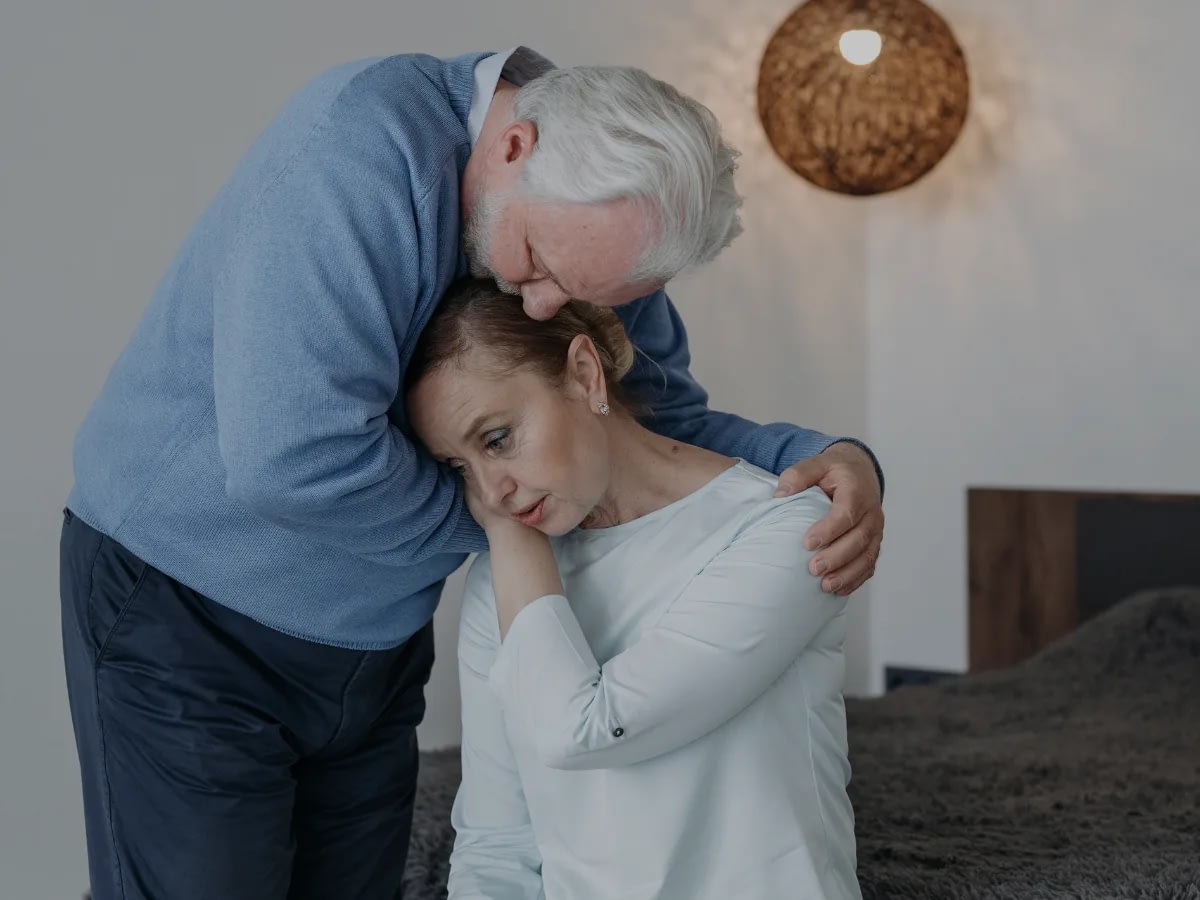
Actionable Steps: How to Assess These Signs
Tracking these behaviors over several weeks or months provides clearer insight than relying on isolated incidents. Journaling which signs appear consistently and which arise only when consequences loom can highlight your partner’s genuine intentions. Direct, respectful conversations—guided by principles set forth in Marina Edelman’s practice—help couples find a path that feels both honest and safe.
Best Practices for Navigating Infidelity Recovery
- Set clear agreements for honesty and transparency. Define together what openness looks like for your particular situation.
- Utilize structured therapy with an expert in affair recovery. Evidence-based couples counseling can provide the safety and structure needed for healing.
- Track progress, not perfection. Focus on steady, patient growth. Prioritize communication and emotional safety over immediate results.
- Acknowledge your own needs and limits. Give yourself permission to define boundaries that honor your well-being.
Internal Resources and Further Reading about Infidelity and Affair
- For an in-depth look at what remorse truly means, read When Sorry Is Not Enough: How Real Remorse Looks After an Affair.
- Learn about distinguishing emotional responses in Guilt vs Remorse After Cheating: Why the Difference Matters for Healing.
- Explore methods for establishing trust with What therapist can help us set no-contact rules with the affair partner that actually work?
FAQ: Recognizing and Responding to Remorse After Infidelity
What is the difference between guilt and remorse in infidelity?
Guilt is an internal sense of having done wrong, while remorse incorporates responsibility and an active effort to make amends. Remorse reflects a readiness to change and repair, not only regret over the consequences.
How long does it take to rebuild trust after infidelity?
Trust repair is usually measured in months or years and varies between couples. According to the frameworks used by Marina Edelman, LMFT, healing unfolds gradually through sustained effort, honesty, and emotional availability.
Do all partners show remorse in the same way?
Everyone expresses remorse differently. However, the combination of ownership, change, empathy, and patience is a shared foundation of genuine remorse. Cultural, emotional, and personality differences can shape specific behaviors and needs.
How do I know if therapy will help us recover after an infidelity?
Therapy is especially helpful when both partners want to understand the reasons for the affair and make lasting changes. A therapist specializing in affair recovery (like Marina Edelman, LMFT) provides structure, guidance, and tools for navigating painful conversations and rebuilding connection.
What should I do if I notice some but not all signs of remorse?
Observe patterns over several weeks and consider discussing your observations in a counseling session. Genuine remorse often evolves with time and support. If critical signs are lacking, it may be wise to clarify individual and relational boundaries.
Rebuilding Trust Requires More Than an Apology
After infidelity, it can be difficult to tell the difference between real remorse, fear of losing the relationship, and promises made during a crisis.
You may be questioning what to believe, whether trust can be rebuilt, or whether staying is the right decision.
As a Marriage and Family Therapist with more than 20 years of experience working with couples, I help partners move beyond promises and examine the patterns, accountability, and emotional safety necessary for genuine repair.
Therapy can help you:
-
- Understand the full impact of the betrayal
- Identify whether accountability is consistent
- Navigate difficult conversations safely
- Establish boundaries and expectations
- Determine whether rebuilding trust is possible
- Make decisions without pressure or confusion
You do not have to rush toward forgiveness, reconciliation, or separation.
You deserve the space to understand what happened and decide what healing looks like for you.
Take the First Step
📞 Call: (818) 851-1293
📧 Email: marina@marinaedelman.com

About the Author:
Couples Therapist in California
Marina Edelman is a Licensed Marriage and Family Therapist and the founder of TrueMe® Counseling, a couples and relationship therapy practice serving clients in Westlake Village, Thousand Oaks, and throughout California.
Marina specializes in couples therapy, affair recovery, and relationship repair, drawing on a carefully integrated set of evidence-based approaches:
- Gottman Method — Research-based tools for reducing conflict and building friendship and intimacy
- Emotionally Focused Therapy (EFT) — Healing attachment injuries and rebuilding emotional safety
- Attachment-Based Therapy — Understanding how early relational patterns shape adult love
- Cognitive Behavioral Therapy (CBT) — Identifying and shifting the thought patterns that fuel disconnection
- AEDP — Processing deep emotional wounds with compassion and precision
Her counseling is best suited for couples and individuals seeking structured, research-backed support for relationship repair, affair recovery, anxiety, communication challenges, and premarital or marriage counseling — in person or via telehealth across California.
As a Founder of TrueMe Counseling, Marina proudly works with the following therapists with additional specialties:
These therapists see clients in Culver City, and Westlake Village Office as well as virtually all throughout California.

Cheryl Baldi, LMFT
Individuals | Grief | Families | Trauma
Cheryl Baldi is a Licensed Marriage and Family Therapist with a Master's Degree in Clinical Psychology who works with individuals, couples, and families in a warm, empathetic, and collaborative environment.
Specializations: Anxiety, depression, grief, trauma, hopelessness, and family systems.
Best suited for: Individuals who feel stuck in unhealthy patterns and are looking for a compassionate, strengths-based therapist to help them build practical tools and reclaim a more peaceful life.

Dr. Rachel Chistyakov, PsyD, LMFT
Trauma | Kids & Teens | Families
Dr. Rachel Chistyakov brings both doctoral-level training in psychology and LMFT licensure to her work with couples, families, children, and individuals. Her practice centers on healing, connection, and emotional insight.
Specializations: Trauma, PTSD, anxiety, depression, family therapy, and specialized work with children and teenagers.
Best suited for: Individuals and families seeking a highly credentialed therapist with broad clinical range, including parents looking for specialized support for children and adolescents.

Chris Calandra, AMFT
Individuals | Men's Issues | Substance Abuse
Chris Calandra is an Associate Marriage and Family Therapist offering grounded, non-judgmental support to individuals and couples navigating anxiety, relationship tension, addiction, and feeling stuck.
Specializations: Anxiety, substance use and addiction, relationship issues, and men's mental health.
Best suited for: Individuals who want direct, down-to-earth support and are ready to do meaningful work. Particularly well-suited for men who may be approaching therapy for the first time.
Other Blogs You Might Like

Resentment in Marriage: Why It Builds and How Couples Can Heal
Learn why resentment builds in marriage, how it turns into contempt, and 6 practical ways to heal resentment and reconnect with your spouse.

Who Helps Couples Create Boundaries With Friends, Bars, and Going Out After Infidelity?
Who helps couples set boundaries with friends, bars, coworkers, and nights out after infidelity? Learn how affair recovery therapy can help rebuild trust.

“Look What You Made Me Do”: When Your Partner Blame You for Their Choices
Does your partner blame you for their lying, yelling, or hurtful choices? Learn how blame shifting works and how to separate your part from theirs when they say, “Look what you made me do”
Take the first step toward healing and connection, schedule your consultation today.
Not sure where to start? Let’s talk.
