
Learn how to prevent infidelity with 10 research-backed ways to build trust, set healthy boundaries, and protect your relationship from affairs.

How to Prevent Infidelity: What Research Says Actually Protects Your Relationship
Want to protect your relationship before trust is broken?
Marina Edelman, LMFT, helps couples strengthen emotional connection, establish healthy boundaries, and address relationship vulnerabilities before they lead to betrayal. Schedule a sessionHow to prevent infidelity is something many couples will have thought about at some point in their relationship, even if they’ll never actually say it out loud. It can be a bit awkward, even a bit superstitious, to bring it up when things are going well. The research is very clear on one point though: most affairs aren’t pre-planned. They creep up on you; they develop between two people who never thought they’d go over the line. That means there’s actually a great deal that couples can do to protect what they have, well before a crisis point is reached.
Here’s the short version: you can’t control what someone else does and no relationship is completely “affair proof”. However, decades of research have identified the same protective behaviours. Couples who are emotionally close, who have a satisfying relationship, who are honest about what they’re missing, who have clear boundaries with friends and co-workers, who don’t compare their partner to some imagined alternative and who are able to talk openly about what faithfulness means to them are much better protected. Marina Edelman, LMFT (a Gottman trained marriage and family therapist in Westlake Village with over 20 years experience) helps couples to cultivate these behaviours deliberately and to heal when trust has already been broken.
How Common Is Infidelity?
It’s very difficult to get exact figures as people define cheating in all sorts of ways and won’t always be truthful. That said, the figures from large, long term surveys do provide a pretty good picture.
In the U.S. GSS about 20% of married men and 13% of married women have reported having sex with someone other than their spouse whilst married (Institute for Family Studies analysis). More recent data on adults aged 25 to 54 suggests the gap has narrowed with similar rates for men and women in that age group.
Those figures don’t include emotional affairs, online relationships or secret texting (all of which many people would count as cheating). The point isn’t that infidelity is going to happen to you. The vast majority of married people don’t cheat. The point is simply that it’s so common that you can’t possibly assume you’re exempt.
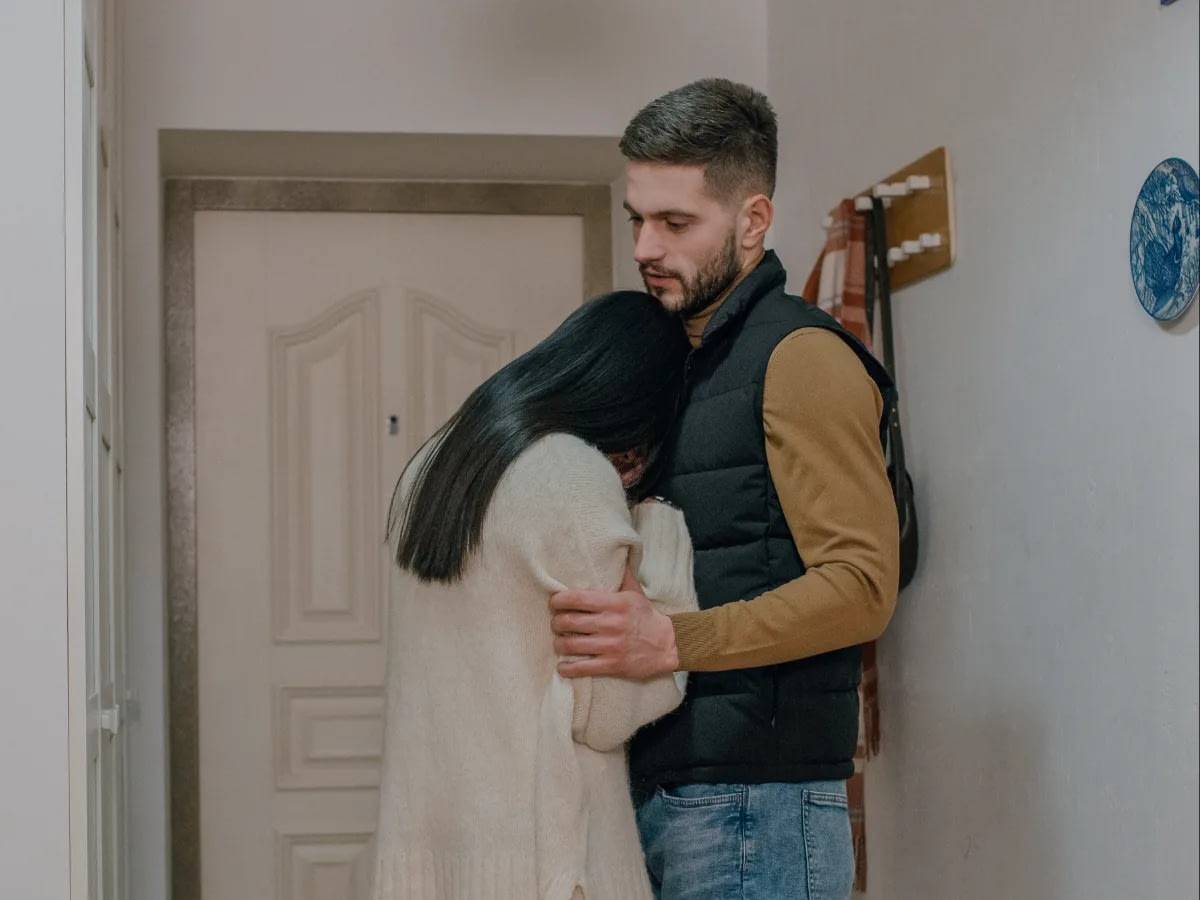
Why People Cheat: What the Research Shows
Researchers Frank Fincham and Ross May looked at the science of infidelity and categorised the risk factors into three groups: individual factors, relationship factors and situations. One of their key findings was that relationship factors were more strongly associated with infidelity than individual factors.
Relationship Factors
- Low relationship satisfaction. Feeling unhappy, invisible or disconnected is one of the most consistent predictors of infidelity across the studies.
- Emotional distance. Infidelity is more common when the emotional bond has eroded.
- Sexual dissatisfaction or disconnection which has just gone unspoken for a long time.
Individual Factors
- A history of cheating. A University of Denver study by Kayla Knopp found that those who had been unfaithful in one relationship had about three times the odds of being unfaithful in their next one.
- Grew up with parental infidelity (which some studies have actually linked to an increased risk).
- More permissive attitudes towards infidelity.
Situational Factors
- Opportunity (e.g. close one to one time with a colleague, a lot of travel, secret online contact).
- Major life stress or life transitions (when you’ve got less time and energy for each other).
None of these factors leads to infidelity and none of them justifies it. Infidelity is always a choice. The fact that you’re aware of the risks is what helps a couple to focus their energies in the right places.
Most Affairs Start as “Just Friends”
One of the key learnings is from the late Dr Shirley Glass who spent over 20 years researching infidelity. In her book Not ‘Just Friends’ she reported that 82% of the 201 partners who had been unfaithful that she saw had had an affair with someone who was initially just a friend.
Glass described healthy relationships in terms of walls and windows.
- A wall keeps the couple off from the outside world. The private details of the relationship remain strictly between the two of them.
- A window keeps the partners open and honest with each other.
In an affair the walls go up between the partners (secrets, hidden texts, private complaints etc) and there’s a window open to someone outside the relationship. That reversal is usually a gradual one which is why it’s so important to be alert to the small shifts in the boundaries.
The Subtle Habit That Leads Toward Betrayal
Dr John Gottman’s research into trust identified a very quiet warning sign which will often appear a long way before an affair actually occurs: negative comparison.
When a relationship gets tough it’s very easy to start thinking “Somebody else would love me more” or “I could do better”. That habit of comparing your partner to some alternative (real or imagined) is the very thing that breeds resentment for what’s missing rather than appreciation for what’s there. It’s the very thing that leads to betrayal over time.
The antidote according to Gottman is cherishing: consciously focusing on what you value in your partner and what you’ve built together.
Other research bears this out. In a study of newlyweds, psychologist James McNulty and colleagues found that those who were quicker to look away from pictures of attractive people were less likely to cheat in the following years. Earlier work by Rowland Miller had shown that those who spent more time looking at attractive alternatives were more likely to end up in a breakup. What we attend really does make a difference.

10 Research-Backed Ways to Protect Your Relationship From Infidelity
1. Define Faithfulness Together
Don’t assume you agree on what constitutes cheating. Have an open discussion about texting, social media, emotional closeness with friends, flirting and contact with exes. The couple who have clearly defined their boundaries are the ones less likely to find themselves in a gray area.
2. Keep Your Relationship Satisfying
As dissatisfaction is one of the strongest predictors of infidelity, putting time and energy into your relationship is actually protective. It’s not about the logistics, it’s about time together, affection, appreciation and fun.
3. Turn Toward Each Other’s Small Bids
Gottman’s research shows that trust is built in the little moments of the day; it’s built by responding when your partner shares something with you, when they ask for your attention, when they reach for your hand. The couples who are most connected are the ones who are regularly ‘turning towards’ each other.
4. Cherish, Don’t Compare
When you find yourself thinking ‘someone else would be better/easier’ redirect your focus to what you like about your partner. Just saying it out loud makes a real difference.
5. Talk About Problems Early
Unspoken unhappiness creates distance. It’s best to raise issues gently and as early as possible before they turn into resentment. Marina’s guide to resentment in marriage is all about how unmet needs accumulate over time.
6. Protect Your “Walls”
Don’t share your grievances about your relationship with someone who could become an emotional substitute (particularly a colleague or friend you’re drawn to). Talk to your partner, a reliable same sex friend or a therapist.
7. Notice Early Warning Signs in Friendships
Pay attention if you find yourself:
- Looking forward to seeing someone more than your partner
- Hiding or downplaying conversations
- Sharing more about your feelings with them than with your partner
- Dressing up for them or rearranging your schedule to see them.
- Feeling defensive if your partner asks about the friendship
These are the signs that a boundary may be slipping. That’s a good time to step back.
8. Be Transparent With Technology
Secret accounts, deleted messages and hidden apps are all common routes into an affair. A lot of couples feel much safer with an open phone approach. That doesn’t mean you’re going to be constantly monitoring your partner of course. It just means there’s nothing to hide.
9. Keep Physical and Sexual Connection Alive
Desire will of course change over time, but if there’s been a long period of physical disconnection without any discussion then it can become quite vulnerable. Talk about it, talk openly about it. If it’s gone then obviously you need to seek help. Marina also provide sex therapy for couples.
10. Get Support Before There’s a Crisis
Couples therapy isn’t just for after an affair. It can be used to build your connection, deal with the issues of dissatisfaction and get the difficult conversations off your chest in a safe environment. It can be a very useful time for an engaged couple or a newly committed couple to talk about what faithfulness means.
Questions People Ask Most About Infidelity
These are some of the most common questions people search for and ask therapists about cheating.
What is cheating? That’s down to the couple I suppose and that’s precisely why it’s worth talking about. Most people would agree that sex outside the relationship is cheating. Many would also consider emotional affairs, sexting, secret dating profiles and the like to be cheating.
Is an emotional affair actually cheating? For a lot of people the answer is yes. Glass found that emotional affairs can be just as damaging as physical ones and they frequently result in physical infidelity.
Do people in happy relationships cheat? Yes, sometimes. Dissatisfaction is obviously a big risk factor but you can also have affairs through opportunity, secrecy and the slow erosion of boundaries even in relationships that appear to be quite happy.
Once a cheater, always a cheater? Not necessarily. A history of cheating does increase the risk, but it doesn’t guarantee it. What matters a great deal is honesty, accountability and genuine change.
Can a relationship survive infidelity? Yes it can. Many couples do go on to rebuild trust over time with transparency and the right kind of support. Marina is a specialist in affair recovery and infidelity therapy.
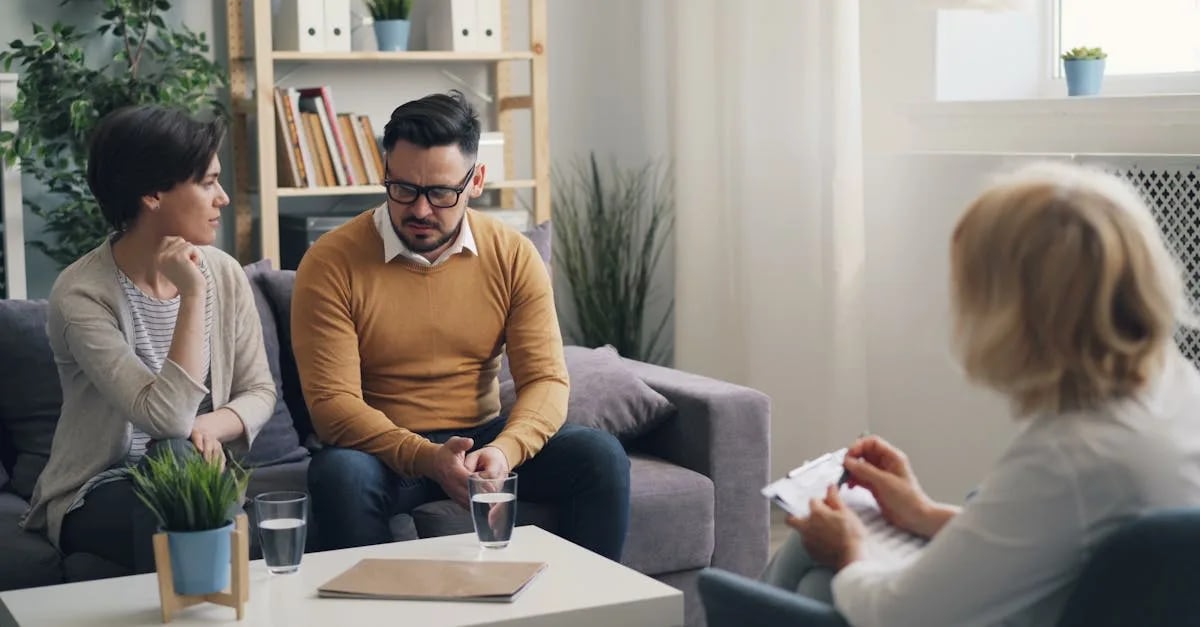
When to Get Help
Consider reaching out to a couples therapist if:
- You feel emotionally disconnected or lonely in your relationship.
- One of you has a close friendship that is causing tension.
- You’ve noticed secrecy around phones, social media, or money.
- You keep thinking about what life would be like with someone else.
- There has already been a betrayal, emotional, physical, or financial.
How Marina Edelman, LMFT Helps Couples Protect and Rebuild Trust
Marina takes an active, structured approach which is based on the Gottman Method and Emotionally Focused Therapy (EFT). She works with couples to build friendship, intimacy and trust before problems get a chance to develop and provides a very clear, compassionate plan for couples who are in the process of recovering from betrayal. For couples in crisis she also offers intensive couples therapy. Sessions are available in person in Westlake Village and via secure online marriage counseling throughout California.
Frequently Asked Questions About Preventing Infidelity
Can you actually prevent infidelity?
You can’t control another person’s choices, but you can reduce your risk by staying close, staying satisfied, setting boundaries, and dealing with problems as they arise.
What is the single biggest predictor of infidelity?
Research consistently shows that relationship dissatisfaction and emotional distance are amongst the strongest predictors. A history of cheating is also a major risk factor.
How do emotional affairs begin?
Most start out as friendships (often with colleagues or long time friends) and develop through secrecy, via the sharing of relationship complaints and a slow process of channeling more emotional energy into the friendship than into the relationship itself.
Should couples share phone passwords?
It’s a personal decision. Many couples find that an open, nothing-to-hide approach builds trust, as long as it isn’t used for constant monitoring or control.
Can couples therapy help prevent an affair?
Yes. Couples therapy can strengthen connection, address dissatisfaction, and help partners talk about needs and boundaries before they become a crisis.
Protect What You’ve Built
Learning how to prevent infidelity isn’t about suspicion or fear. It’s about tending to your relationship on purpose: staying close, staying honest, and protecting your walls and windows. Small, consistent choices make a big difference over time.
Marina Edelman, LMFT offers couples counseling and affair recovery in Westlake Village and online throughout California, with a structured, compassionate approach built on the Gottman Method and EFT.
📞 Call: (818) 851-1293
📧 Email: marina@marinaedelman.com

About the Author:
Couples Therapist in California
Marina Edelman is a licensed marriage and family therapist with more than 20 years of experience working with couples and individuals. She founded TrueMe® Counseling, created the TrueMe® Method, and hosts the Marina on Marriage podcast. A former financial analyst, she brings financial therapy into her couples work. She sees clients throughout California.
Host a podcast? I talk with hosts about AI and modern relationships, the rewrite reflex, and how couples repair in real time. Invite me on your show: Marina Edelman, LMFT
For more honest conversations about dating, marriage, and the patterns we bring into love, subscribe to Marina on Marriage. If this essay brought someone to mind, share it with them.
Her writing is informed by:
- Gottman Method — Research-based tools for navigating conflict and strengthening friendship and intimacy
- Emotionally Focused Therapy (EFT) — Insights into attachment injuries, recurring relationship patterns, and emotional safety
- Attachment-Based Therapy — An understanding of how early relational experiences can shape adult relationships
- Cognitive Behavioral Therapy (CBT) — Strategies for identifying and changing thoughts and behaviors that contribute to disconnection
- AEDP — A compassionate approach to understanding and processing deeper emotional wounds
Through her articles, Marina helps readers recognize unhealthy patterns, understand the emotions beneath conflict, and identify practical next steps toward healing. Her content is especially relevant to couples and individuals navigating infidelity, broken trust, recurring arguments, emotional distance, anxiety, premarital concerns, or major relationship transitions.
Marina also provides in-person counseling in Westlake Village and Thousand Oaks and telehealth services throughout California.
Other Blogs You Might Like

How to Prevent Infidelity: What Research Says Actually Protects Your Relationship
read more

Setting Boundaries With In-Laws: How Couples Protect Their Marriage Without Cutting Family Off
Learn how to set boundaries with in-laws, handle family conflict, protect your marriage, and stay united with your partner without cutting family off.

How to Fight Fair in a Relationship: 10 Rules for Healthier Conflict
Learn how to fight fair in a relationship with 10 practical rules to stop hurtful arguments, communicate better, and repair conflict with your partner.
Take the first step toward healing and connection, schedule your consultation today.
Not sure where to start? Let’s talk.