Learn why resentment builds in marriage, how it turns into contempt, and 6 practical ways to heal resentment and reconnect with your spouse.
The Anxious-Avoidant Trap: Why One Partner Chases and the Other Withdraws
You don't have to figure it out alone.
As a Marriage and Family Therapist with more than 20 years of experience, I help individuals, couples, and families strengthen relationships, heal from betrayal, and navigate anxiety, depression, trauma, parenting, divorce, and life transitions.
Does It Feel Like the Harder You Try, the More Your Partner Pulls Away?
Most couples know the feeling of having the exact same fight over and over, just wearing a different outfit each time. One person wants to talk it out right now. The other needs room to breathe. One reaches for reassurance; the other goes quiet. And the harder one partner pushes for connection, the further the other seems to pull back.
Eventually you’re both just tired — frustrated, misunderstood, and stuck wondering how a fight that started over something small somehow spun out of your control.
At Marina Edelman Therapy, I see couples caught in this exact dynamic constantly. And here’s the good news: it doesn’t usually mean the relationship is broken. More often, it means both of you are reaching for the same thing — safety — you’re just reaching in opposite directions.
Understanding the cycle is genuinely the first step toward getting out of it.
What Is the Anxious-Avoidant Dynamic?
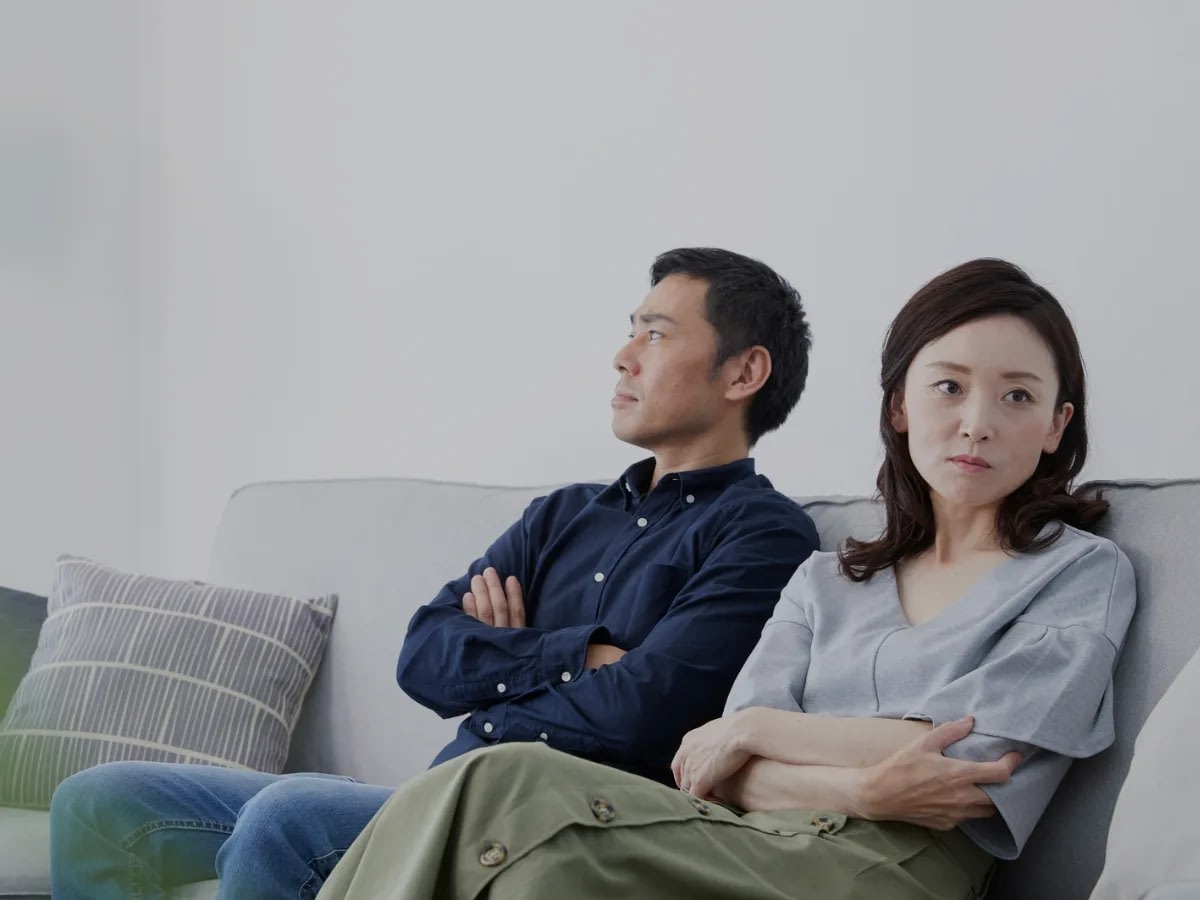
Sometimes called the pursue-withdraw cycle, this pattern shows up when two partners deal with emotional stress in completely opposite directions.
The anxious partner tends to move toward closeness the moment tension rises. Their nervous system reads emotional distance as danger, so they feel an urgent pull to talk things through immediately, crave quick reassurance, and start to panic if their partner goes quiet. To them, silence can feel like the whole relationship is suddenly on the line.
The avoidant partner tends to move the other way. Under stress, their system gets overwhelmed — what therapists sometimes call “flooded” — and they need quiet, unhurried time to process on their own. To them, an intense conversation demanded right now can feel less like connection and more like a threat to their footing.
Neither reaction is bad, or done on purpose. The hard part is that each person’s way of coping ends up triggering the other’s deepest fear.
Anxious and Avoidant: Two Nervous Systems Telling Different Stories
When conflict starts, both partners have an involuntary threat response — it’s just that their brains interpret the threat completely differently.
For the anxious partner, the trigger is usually distance, quiet, or a delayed response. What runs through their head tends to sound like they’re pulling away, they don’t care, I’m going to lose them — and the reaction is to reach out harder, press for answers, push for resolution right now.
For the avoidant partner, the trigger is usually intensity — heightened emotion, criticism, pressure to respond on the spot. Their internal monologue tends to sound more like I’m being cornered, nothing I say is right, I need this to stop — and the reaction is to shut down, go quiet, or physically step away.
Here’s the cruel irony: what soothes the anxious partner — immediate conversation — is often exactly what unsettles the avoidant partner. And what soothes the avoidant partner — space — is often exactly what panics the anxious one. So the very thing each person does to feel safe ends up making the other person feel less safe.
The Anxious-Avoidant Loop That Keeps Repeating Itself
Left alone, this dynamic tends to run on its own momentum. The anxious partner senses distance and reaches out harder. The avoidant partner feels cornered by that and pulls back further. That distance stirs up more panic, so the anxious partner pushes again — and the avoidant partner retreats again. And around it goes.
Given enough time, couples stop reacting to whatever actually started the argument — a chore left undone, a scheduling mix-up, whatever it was — and start reacting purely to the cycle itself. The original issue disappears, and what’s left is just the feeling of being opponents instead of teammates.
Where to Start Breaking Anxious-Avoidant Cycle
Most couples get stuck because they assume the fix is getting the other person to change first. If they’d just open up, we’d be fine, thinks one. If they’d just stop pushing and let it go, thinks the other.
Real change rarely comes from that kind of finger-pointing. It tends to start the moment both people stop treating each other as the problem and start treating the pattern itself as the thing to work against together.
One way to do that is to name the cycle out loud instead of attacking each other for being in it. Rather than “you always shut me out” or “you’re always suffocating me,” it helps to just call the pattern by name: “the chase-and-withdraw thing is happening again — can we pause it?”
It also helps to swap the question you’re asking. Instead of arguing over who’s right, try asking what each of you is actually feeling unsafe about in that moment. That one shift tends to open up empathy where there was only defensiveness a second ago.
Small Adjustments That Actually Help
Neither partner needs a personality overhaul to change this dynamic. What tends to work is smaller and more repeatable than that.
If you’re the anxious partner, it can help to practice catching the panic before it runs the show — pausing before you text or bring up something heavy, taking a few breaths, going for a walk, letting your body settle first. It also helps to state what you need without the accusation baked in: not “you never pay attention to me,” but something closer to “I’d really love fifteen minutes tonight, just the two of us, phones away.” And it’s worth reminding yourself, as often as you need to, that space isn’t the same as abandonment — sometimes giving your partner room is exactly what brings them back toward you on their own.
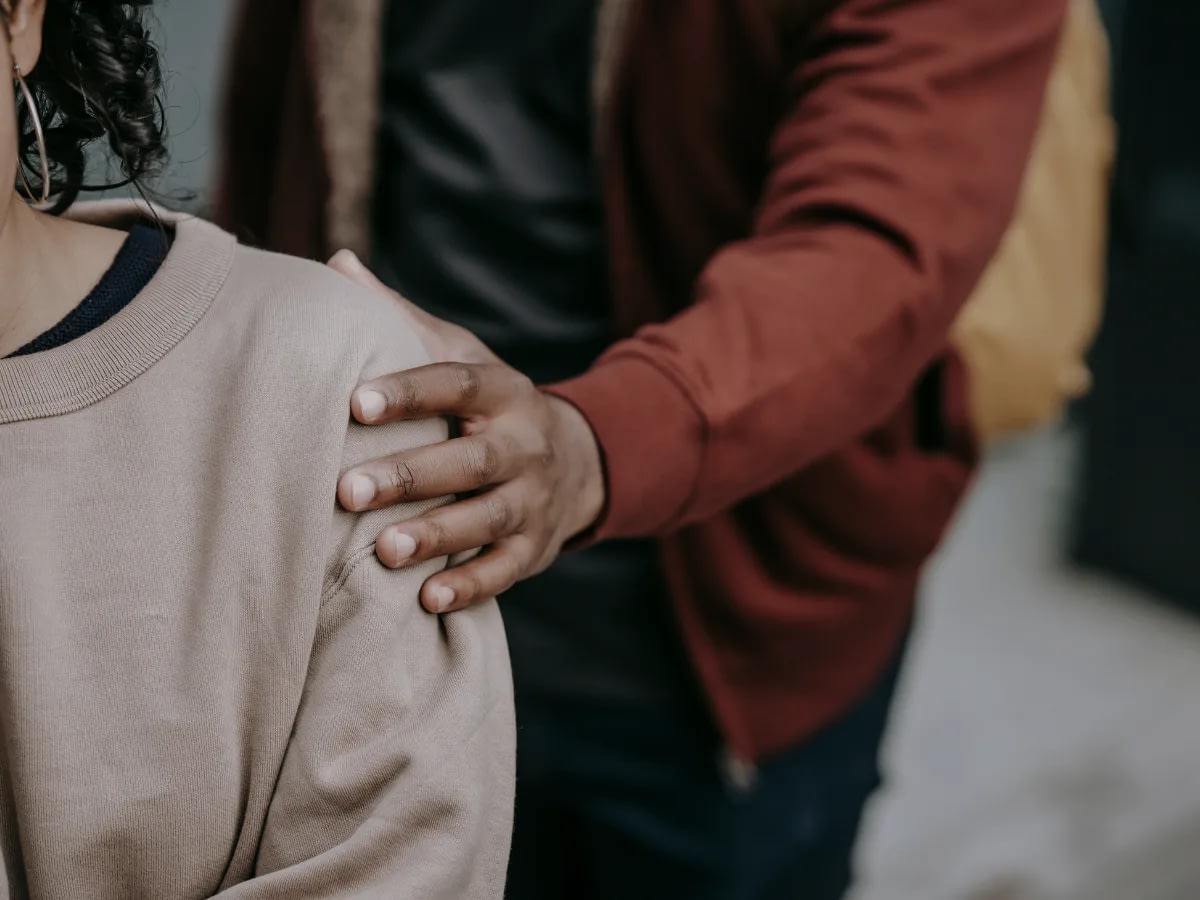
If you’re the avoidant partner, the biggest shift is usually learning to offer a rain check instead of just disappearing. Walking away without a word can feel like abandonment to your partner, even if that’s not what you mean by it — so instead, try something like: “I’m feeling overwhelmed and I want to actually hear you out properly. Give me thirty minutes to reset, and let’s talk at seven.” Small gestures help too — a hand on the arm, a quick text, a simple “I love you, I just need a minute” — even when you’re not ready for the bigger conversation yet. And if you can, try staying in the discomfort just a little longer than feels natural — even two extra minutes before asking for space can shift the whole interaction.
Can Anxious and Avoidant Relationships Actually Last?
Yes. A mismatch in attachment style isn’t a death sentence for a relationship — plenty of couples with very different styles build relationships that are steady, resilient, and genuinely close once they learn how to work with the pattern instead of against each other.
The goal was never to eliminate disagreement. Conflict is just part of being close to someone. What changes is how you move through it. With enough self-awareness, clearer boundaries, and consistent effort, couples can build what psychologists call earned secure attachment — a steadier, calmer way of loving each other that slowly replaces the old defenses either of you grew up with.

Frequently Asked Questions
What exactly is the anxious-avoidant trap?
It’s a relationship pattern where one partner seeks closeness and reassurance under stress while the other pulls back for space, creating a repeating cycle of chasing and retreating.
Can an anxious person and an avoidant person stay together?
Yes. Many couples with different attachment styles do well once they learn to recognize their own triggers, communicate needs without blame, and respect each other’s pace for processing things.
Why does my partner shut down during arguments?
When someone gets emotionally flooded, shutting down is often an involuntary way of regaining some internal control — it’s rarely a sign that they don’t care.
How does couples therapy help with anxious and avoidant attachment patterns?
Therapy gives you a neutral space to trace where these patterns came from, slow down recurring arguments enough to actually look at them, build some regulation tools, and rebuild a sense of safety together.
Are attachment styles permanent?
No. They’re learned, which means they can shift. With self-awareness, healthier relationship habits, and sometimes therapy, people move toward more secure attachment all the time.
Build a Steadier, More Connected Relationship
If it feels like you’re stuck on the same emotional merry-go-round — one of you always chasing, the other always pulling away — you don’t have to sort it out by yourself.
At Marina Edelman Therapy, I help individuals and couples make sense of their attachment patterns, communicate more clearly, and rebuild real emotional safety. Whether you’re in the middle of something hard right now or just want to feel closer, I’m here to help you find your way back to each other
Take the First Step
📞 Call: (818) 851-1293
📧 Email: marina@marinaedelman.com
About the Author:
Couples Therapist in California
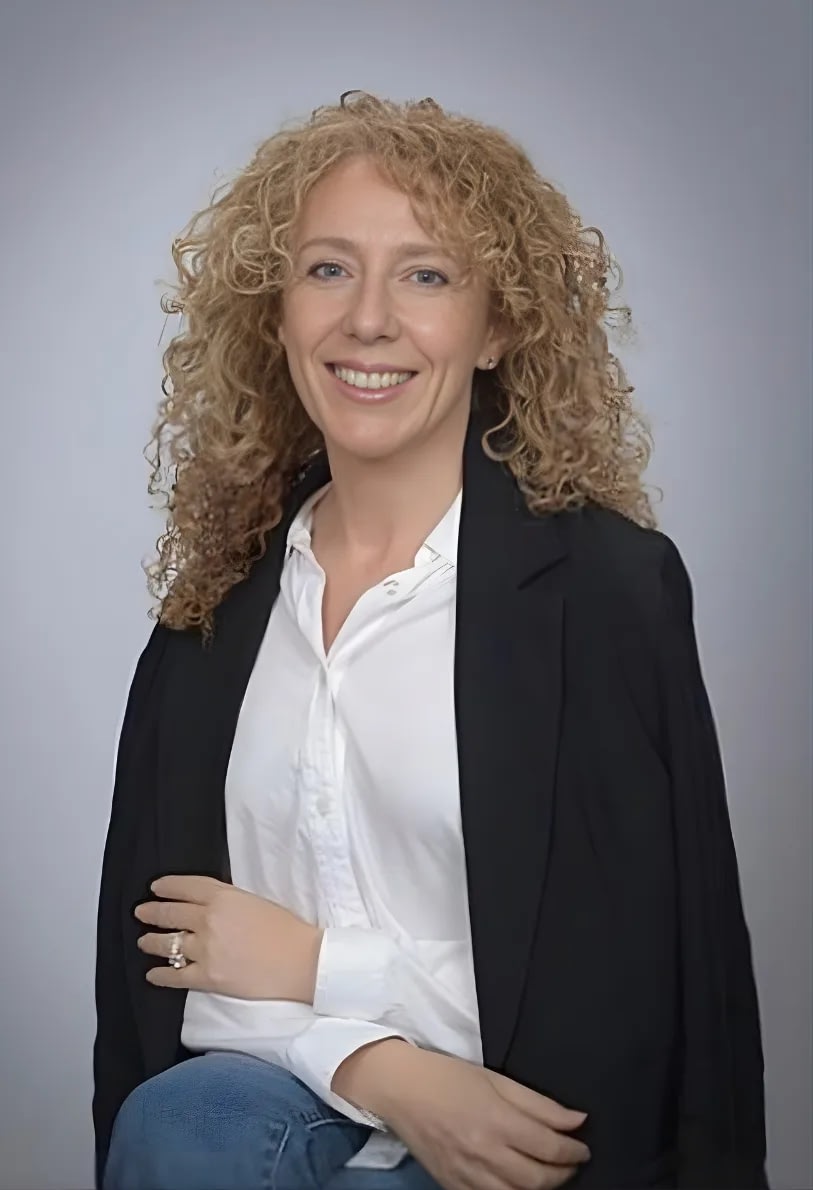
Marina Edelman is a Licensed Marriage and Family Therapist and the founder of TrueMe® Counseling, a couples and relationship therapy practice serving clients in Westlake Village, Thousand Oaks, and throughout California.
Marina specializes in couples therapy, affair recovery, and relationship repair, drawing on a carefully integrated set of evidence-based approaches:
- Gottman Method — Research-based tools for reducing conflict and building friendship and intimacy
- Emotionally Focused Therapy (EFT) — Healing attachment injuries and rebuilding emotional safety
- Attachment-Based Therapy — Understanding how early relational patterns shape adult love
- Cognitive Behavioral Therapy (CBT) — Identifying and shifting the thought patterns that fuel disconnection
- AEDP — Processing deep emotional wounds with compassion and precision
Her counseling is best suited for couples and individuals seeking structured, research-backed support for relationship repair, affair recovery, anxiety, communication challenges, and premarital or marriage counseling — in person or via telehealth across California.
Other Blogs You Might Like

Resentment in Marriage: Why It Builds and How Couples Can Heal
read more

Who Helps Couples Create Boundaries With Friends, Bars, and Going Out After Infidelity?
Who helps couples set boundaries with friends, bars, coworkers, and nights out after infidelity? Learn how affair recovery therapy can help rebuild trust.

“Look What You Made Me Do”: When Your Partner Blame You for Their Choices
Does your partner blame you for their lying, yelling, or hurtful choices? Learn how blame shifting works and how to separate your part from theirs when they say, “Look what you made me do”
As a Founder of TrueMe Counseling, Marina proudly works with the following therapists with additional specialties:
These therapists see clients in Culver City, and Westlake Village Office as well as virtually all throughout California.

Cheryl Baldi, LMFT
Individuals | Grief | Families | Trauma
Cheryl Baldi is a Licensed Marriage and Family Therapist with a Master's Degree in Clinical Psychology who works with individuals, couples, and families in a warm, empathetic, and collaborative environment.
Specializations: Anxiety, depression, grief, trauma, hopelessness, and family systems.
Best suited for: Individuals who feel stuck in unhealthy patterns and are looking for a compassionate, strengths-based therapist to help them build practical tools and reclaim a more peaceful life.

Dr. Rachel Chistyakov, PsyD, LMFT
Trauma | Kids & Teens | Families
Dr. Rachel Chistyakov brings both doctoral-level training in psychology and LMFT licensure to her work with couples, families, children, and individuals. Her practice centers on healing, connection, and emotional insight.
Specializations: Trauma, PTSD, anxiety, depression, family therapy, and specialized work with children and teenagers.
Best suited for: Individuals and families seeking a highly credentialed therapist with broad clinical range, including parents looking for specialized support for children and adolescents.

Chris Calandra, AMFT
Individuals | Men's Issues | Substance Abuse
Chris Calandra is an Associate Marriage and Family Therapist offering grounded, non-judgmental support to individuals and couples navigating anxiety, relationship tension, addiction, and feeling stuck.
Specializations: Anxiety, substance use and addiction, relationship issues, and men's mental health.
Best suited for: Individuals who want direct, down-to-earth support and are ready to do meaningful work. Particularly well-suited for men who may be approaching therapy for the first time.
Take the first step toward healing and connection, schedule your consultation today.
Not sure where to start? Let’s talk.